
Bernagchen Mahakala – The Protector of the Karma Kagyu School
Article written January 29, 2024 By hmmart
Bernagchen Mahakala, also known as Dorje Bernagchen, is a two-armed Mahakala who serves as a protector of the Karma Kagyu school in Tibetan Buddhism. He is often depicted as a wrathful deity, signifying his power to eliminate obstacles and opposing forces. Bernagchen Mahakala is deeply connected with the Karma Kagyu lineage, particularly with the Karmapas. This protective deity is described as figures possessing stout bodies, and short but thick and strong limbs. His flaming hair, decorated with a crown of skulls, rises from his forehead, while a circle of flames dance around him. His face possesses a typical wrathful expression. The mouth is contorted to an angry smile from its corners protrude long fangs. The protruding, bloodshot eyes have an angry and staring expression and usually a third eye is visible in the middle of the forehead. Various rituals and practices are associated with Bernagchen Mahakala to invoke his blessings and protect the practitioner from negative influences.
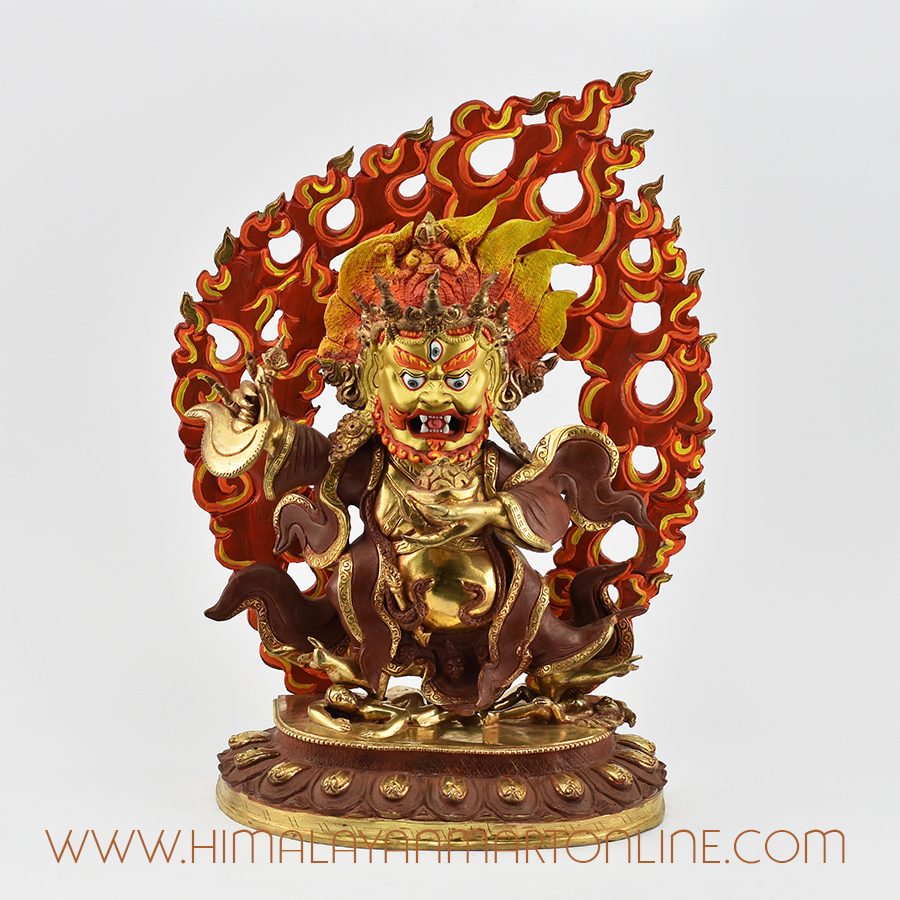
Bernagchen Mahakala is a central figure in Tibetan Buddhism, representing a fierce aspect of compassion and protection. His importance transcends religious rituals profoundly impacting art, culture, and spiritual lives of practitioners.
Gestures and Attributes
Appearance: Bernagchen Mahakala is typically depicted as a black-cloaked figure with three round protruding eyes, an open red mouth with white fangs, a beard, large eyebrows, and hair that flows upward. He holds a curved flying knife with a Vajra (spiritual implement) handle in his right hand, which symbolizes the cutting through of negative patterns such as aggression, hatred, and ignorance. In his left hand, he holds a blood-filled skull cup, a ritual element typically filled with blood or human brain matter. He wears a crown of five white skulls, earrings, bracelets, and a garland of freshly severed heads around his waist. He is seen standing on the corpse of two human bodies, thus symbolizing the death of negativities and the complete uprooting of negative patterns to such a point that, like a dead body, they will not come to life.
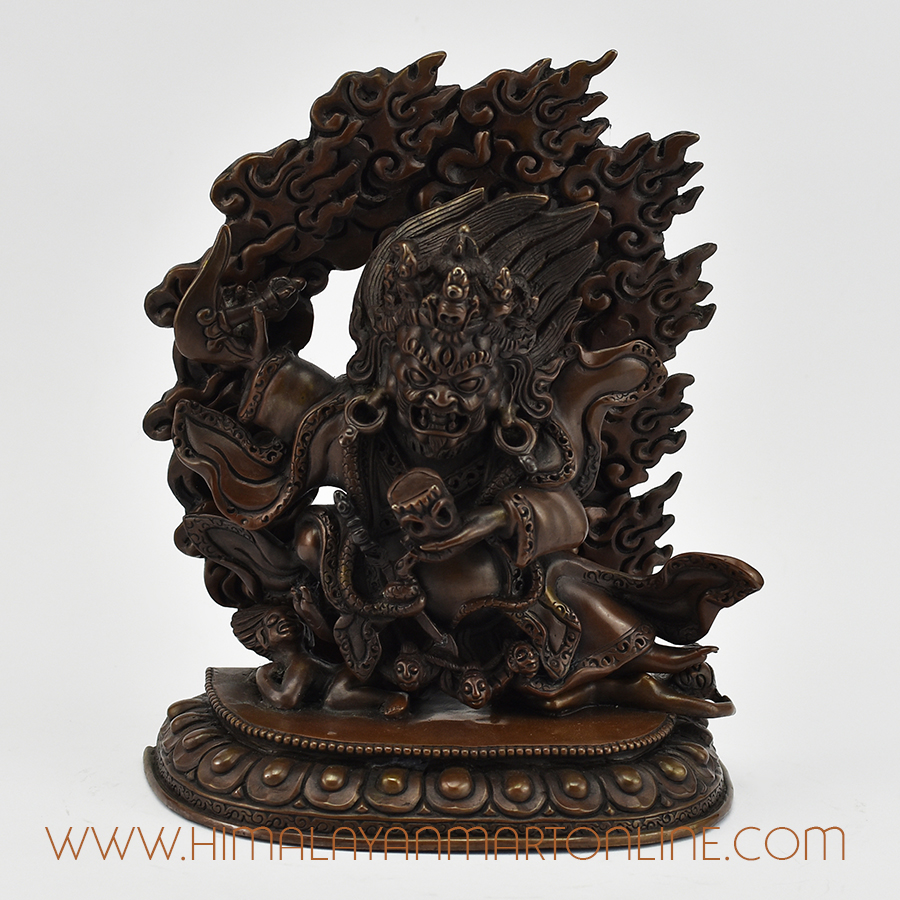
Symbolism: Bernagchen embodies a formidable manifestation of compassion and safeguarding. His appearance and attire symbolize his power to overcome self-deception, revenge, greed, anger, and ignorance.
Rituals and practices: Various rituals and practices are associated with Bernagchen Mahakala to invoke his blessings and protect the practitioner from negative influences. These include elaborate offerings, recitations, daily worship, invocation of blessings, Mahakala Puja, dispelling negativities, empowerment, and spiritual commitment.

The Mystical Essence of Black Dzambhala: A Wealth Deity in Tibetan Buddhism
Article written January 28, 2024 By hmmart
Black Dzambhala – Introduction:
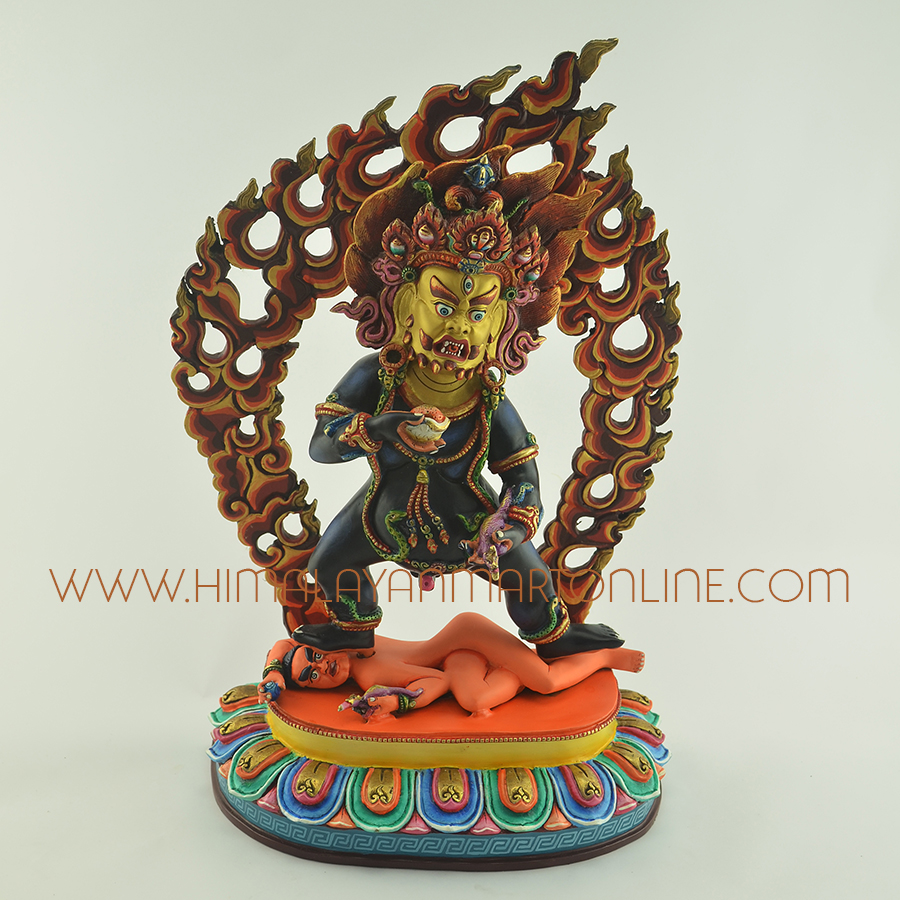
Black Dzambhala, also known as Kubera or Jambhala, is a deity deeply revered in Tibetan Buddhism for his association with wealth, prosperity, and abundance. This divine figure is often depicted as a wrathful emanation of Avalokiteshvara, the bodhisattva of compassion. Black Dzambhala is renowned for his ability to eliminate poverty and bestow financial blessings upon his devotees, making him a prominent figure in the pantheon of Tibetan Buddhist wealth deities.
Origins and Iconography:
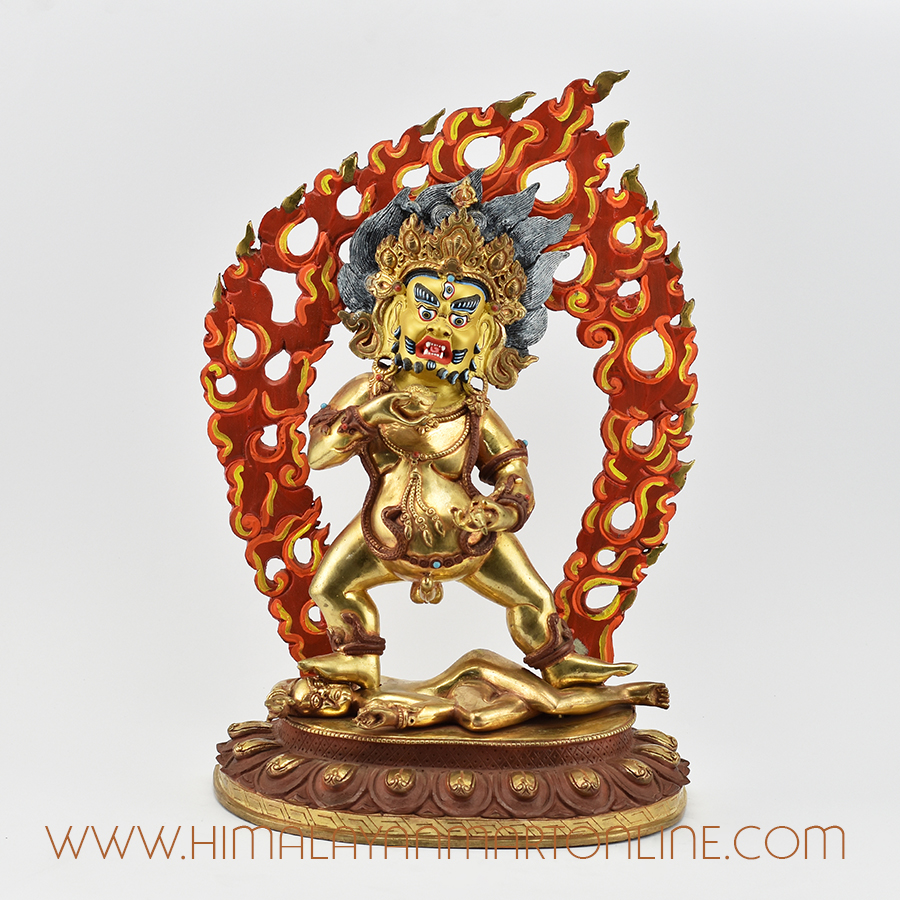
The origins of Black Dzambhala can be traced back to ancient Buddhist scriptures, where he is described as a powerful deity who guards the northern direction and presides over the treasures of the earth. Iconographically, he is portrayed with a fierce countenance, holding a mongoose spouting jewels in one hand and a citron or jewel-spouting lemon in the other. The mongoose symbolizes the deity’s power to transform negative circumstances into positive ones, while the jewel represents the wealth and prosperity he bestows upon his followers.
Meaning and Symbolism:
Black Jambhala’s wrathful appearance and symbols carry deep symbolic meanings. His fierce countenance is a reminder of his determination to eradicate poverty and obstacles hindering the path to prosperity. The mongoose and jewel illustrate the transformative power of wealth – turning difficulties into opportunities and providing the means to lead a fulfilling life. Devotees believe that by invoking Black Dzambhala, they can overcome financial hardships and attain abundance.
Mantras and Rituals:
Devotees often recite specific mantras associated with Black Dzambhala to invoke his blessings and attract prosperity. One of the most popular mantras is the Black Dzambhala Mantra, which is believed to enhance one’s financial well-being. Rituals and ceremonies dedicated to Black Dzambhala involve offerings of various substances, such as grains, flowers, and fruits, symbolizing devotion and gratitude.
Practitioners may also engage in visualizations and meditation practices to connect with the deity on a deeper level. The goal is not just material wealth but also spiritual abundance and the removal of obstacles hindering one’s spiritual progress.
The Wealth Vase:
In Tibetan Buddhist traditions, the Wealth Vase, also known as the Treasure Vase, is closely associated with Black Dzambhala. This sacred vessel is filled with precious items, grains, and medicinal substances, symbolizing wealth and abundance. The Wealth Vase is consecrated through rituals and then placed in homes or businesses to attract prosperity and good fortune.
Conclusion:
Black Dzambhala holds a unique place in Tibetan Buddhism as a deity associated with wealth and abundance. While the external manifestations of wealth are certainly significant, the teachings surrounding Black Dzambhala also emphasize the importance of inner wealth – virtues such as generosity, compassion, and ethical conduct. Through devotion, meditation, and rituals, followers seek not only financial prosperity but also spiritual well-being on their journey towards enlightenment.
Dhyana Mudra: The Mudra of Meditation
Article written January 28, 2024 By hmmart
Dhyana Mudra, commonly known as the Meditation Mudra, is a symbolic and revered hand gesture with deep roots in various spiritual and meditative traditions. This mudra, characterized by the specific positioning of the hands, holds significant meaning and is widely utilized in practices aimed at cultivating focus, tranquility, and inner contemplation.
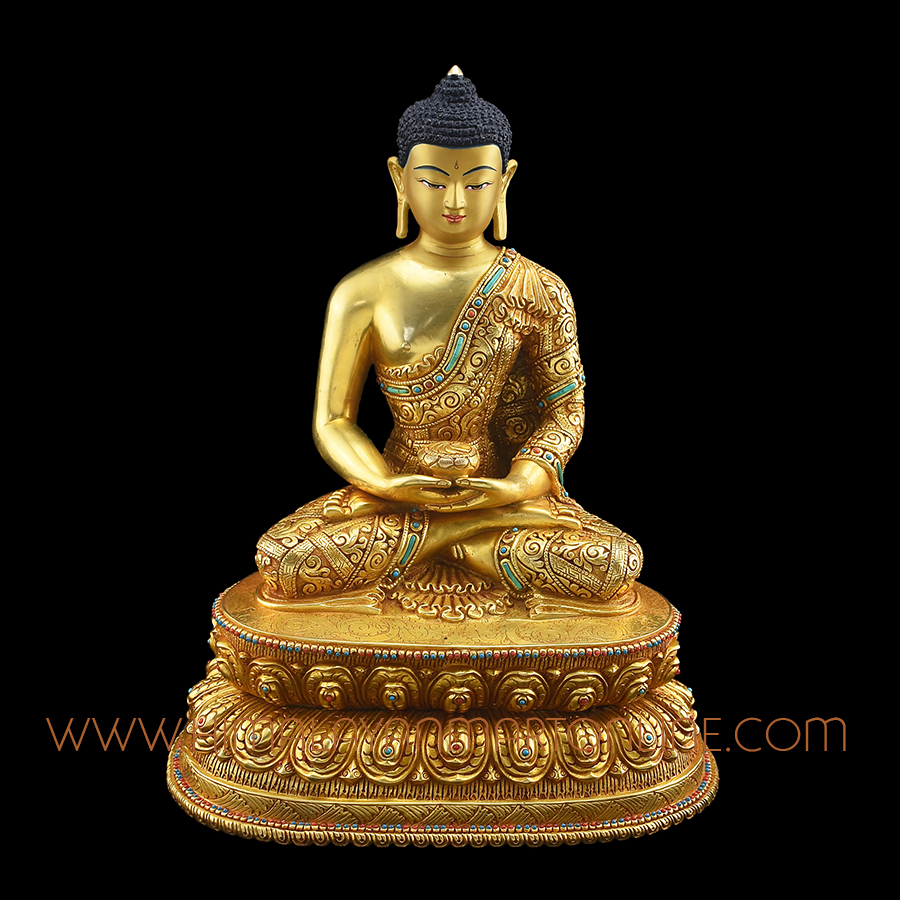
The Dhyana Mudra is formed by placing the hands on the lap, with the right hand resting gently on top of the left, palms facing upward. The thumbs lightly touch each other, forming a subtle circle. This harmonious hand gesture is often employed during meditation sessions to enhance concentration and create a conducive environment for introspection.
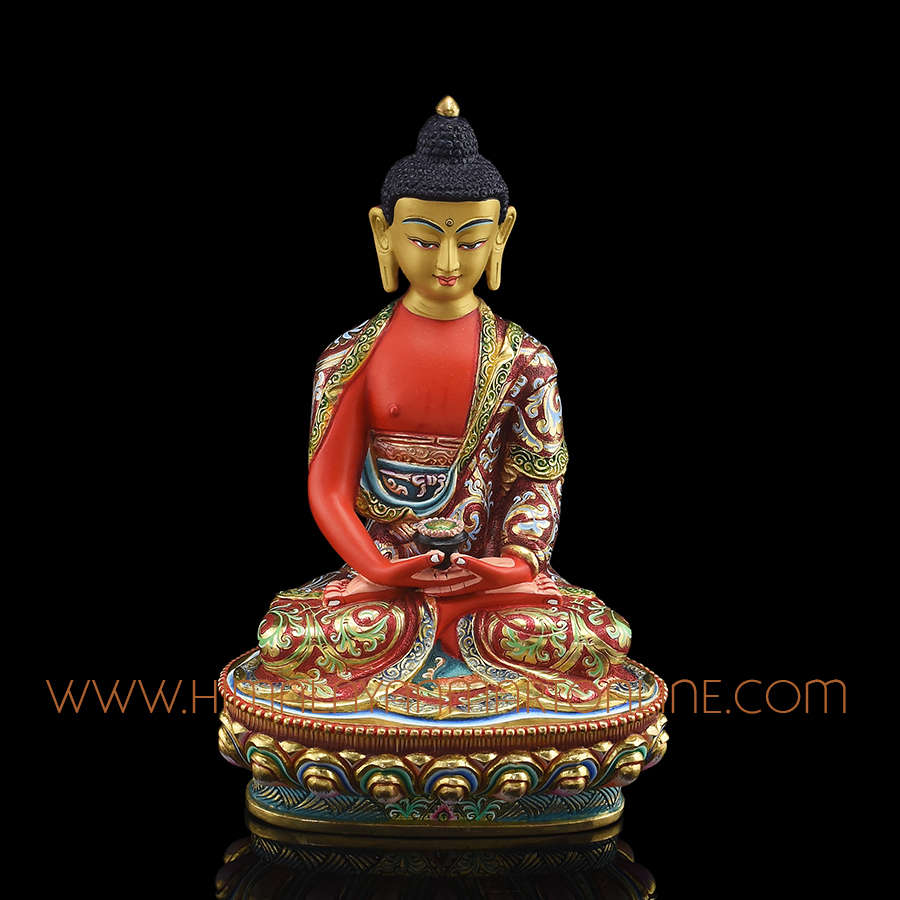
One of the key aspects of the Dhyana Mudra is its association with meditation and the pursuit of mindfulness. As practitioners assume this mudra, it serves as a physical and symbolic guide to turn one’s attention inward, fostering a state of calmness and mental clarity. The closed circle formed by the touching thumbs represents the unbroken flow of energy and the interconnected nature of all things.
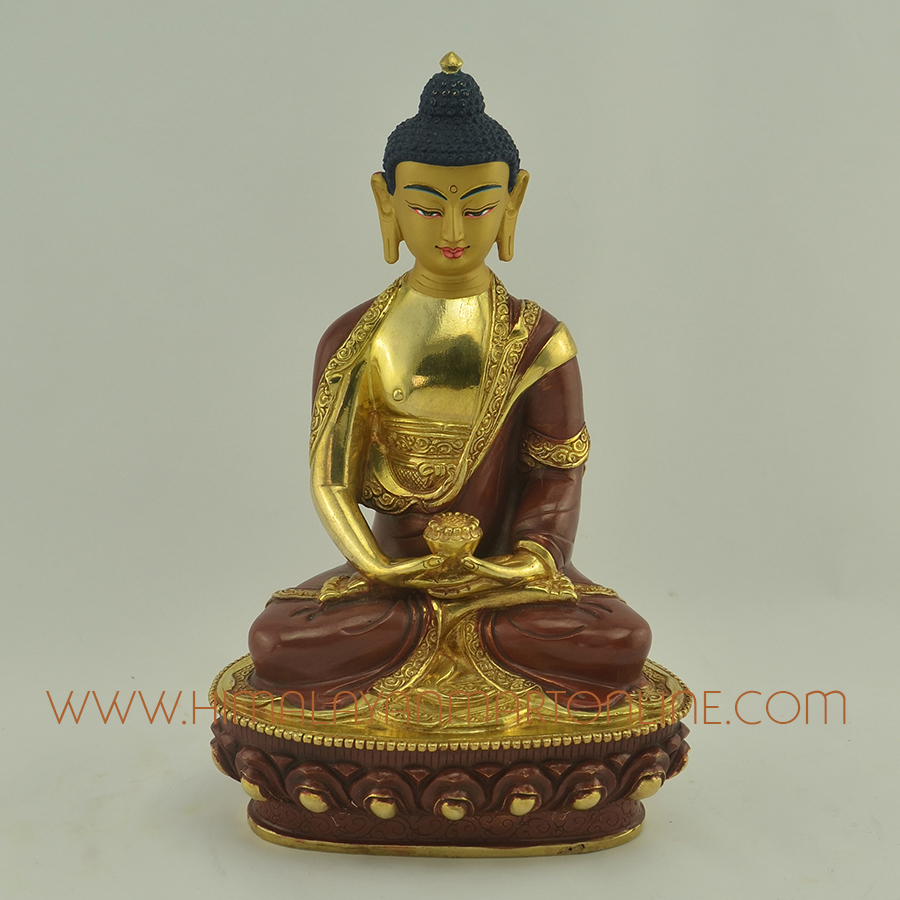
The placement of the hands in the Dhyana Mudra is rich with symbolism. The right hand, symbolizing wisdom, is gently laid over the left hand, representing compassion. This dualistic representation signifies the harmonious integration of these qualities within the practitioner. It suggests that true meditation encompasses not only a deep understanding but also a compassionate and empathetic approach to oneself and others.
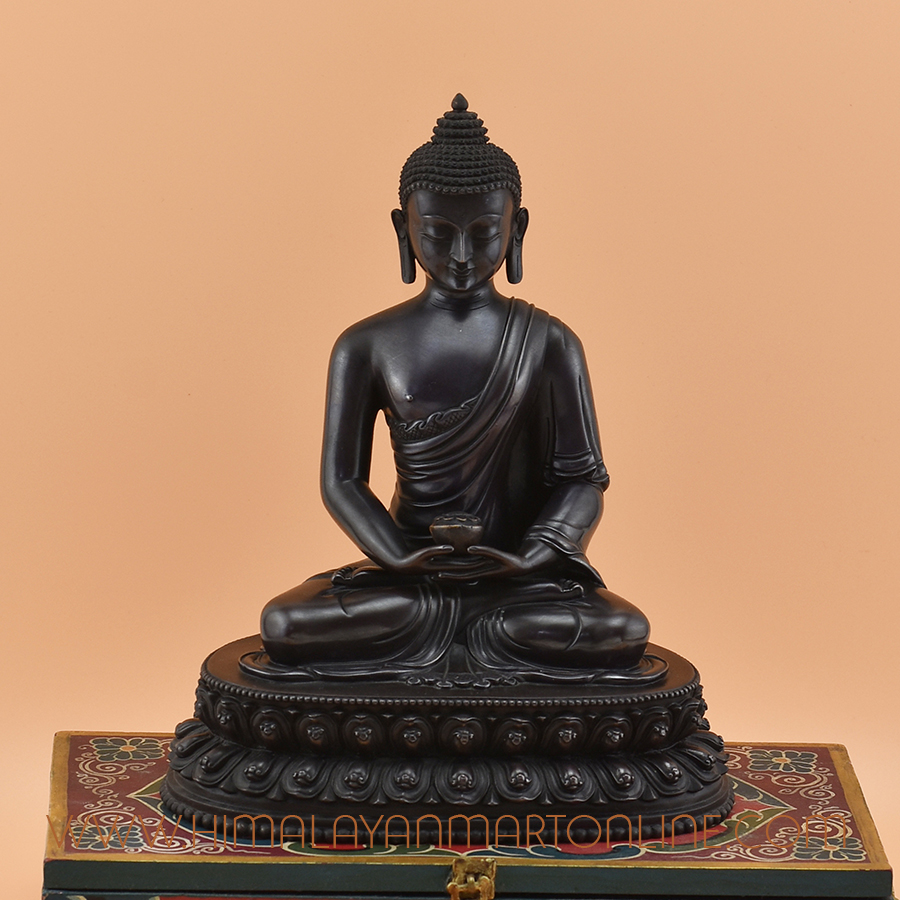
In various spiritual traditions, statues and depictions of revered figures, including Buddhas and bodhisattvas, often feature the Dhyana Mudra. This emphasizes the importance of meditation as a transformative practice on the path to enlightenment. The mudra serves as a visual reminder of the balance between wisdom and compassion, encouraging practitioners to cultivate both qualities simultaneously. The Dhyana Mudra’s universal appeal lies in its simplicity and profound impact on the meditative experience. Whether practiced in Buddhist, Hindu, or other contemplative traditions, this mudra remains a timeless symbol of the inner journey—one that leads towards a tranquil mind, compassionate heart, and the realization of interconnected consciousness. In essence, the Dhyana Mudra stands as a silent guide, inviting individuals to embark on a journey of self-discovery and inner peace through the transformative practice of meditation.
Varada Mudra: The Gesture of Compassion and Generosity
Article written January 26, 2024 By hmmart
Varada Mudra an Introduction:
In the realm of traditional Tibetan and Indian art and spiritual iconography, the Varada Mudra stands out as a symbolic and revered hand gesture. This ancient gesture, commonly seen in depictions of various deities and enlightened beings, holds deep spiritual significance, embodying qualities of compassion, generosity, and the granting of boons. Let’s explore the origins, cultural contexts, and the profound symbolism behind the Varada Mudra.
Origins and Meaning:
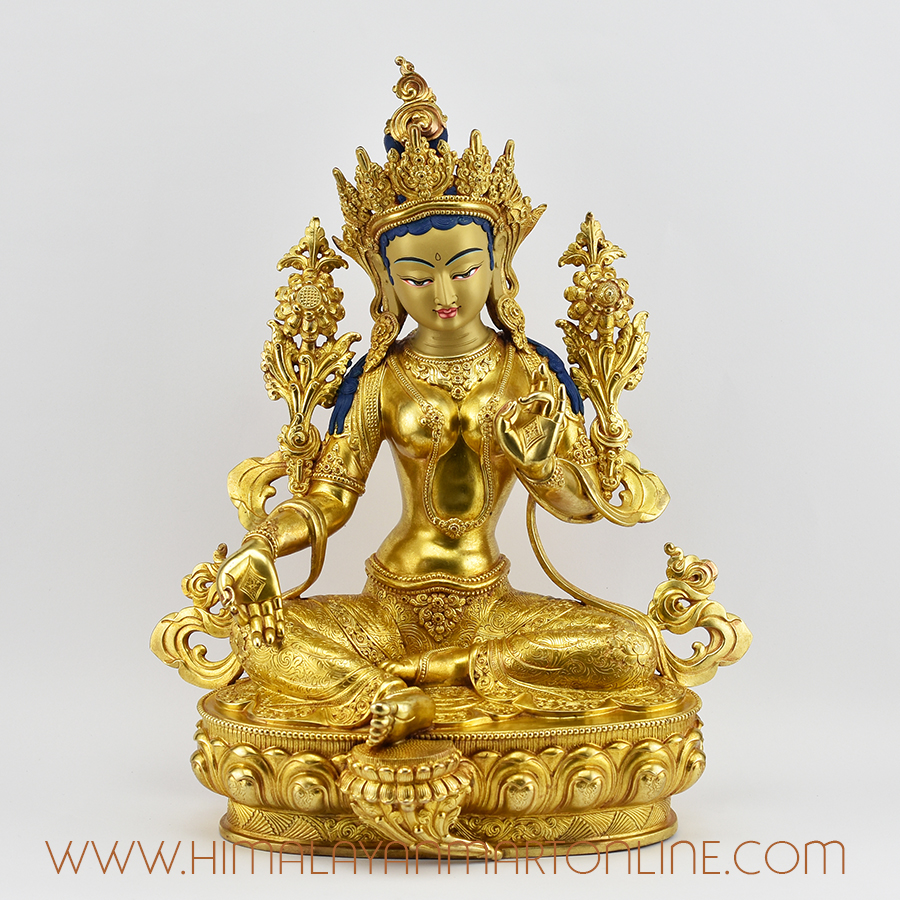
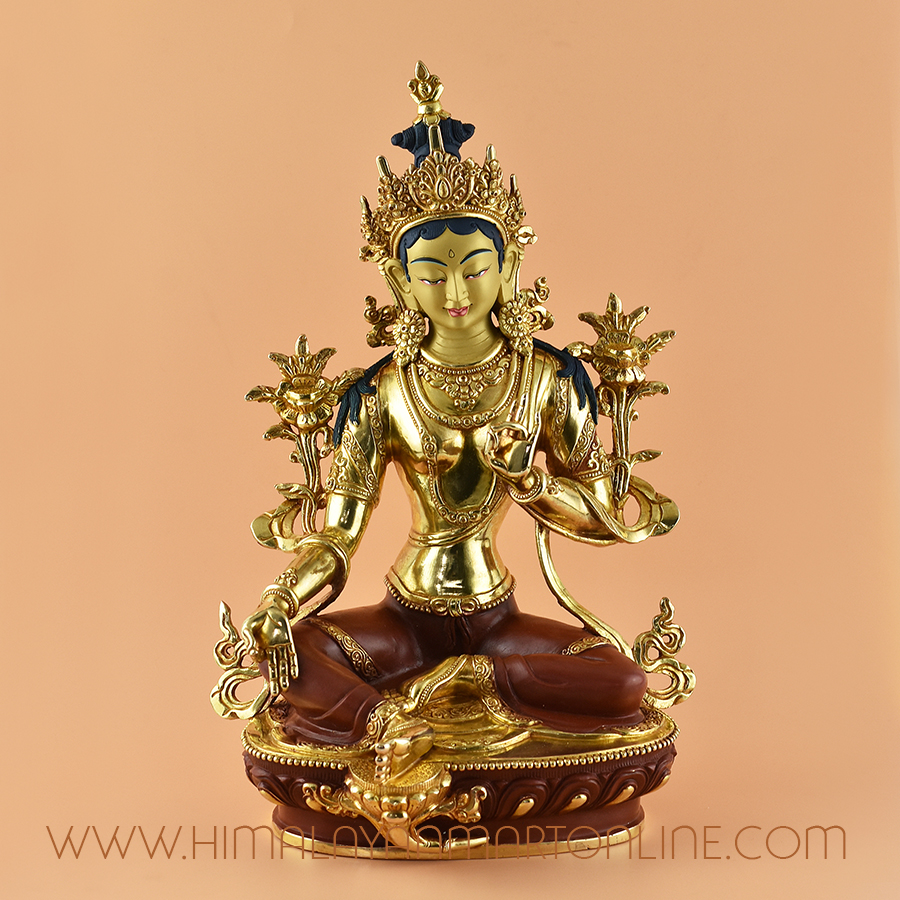
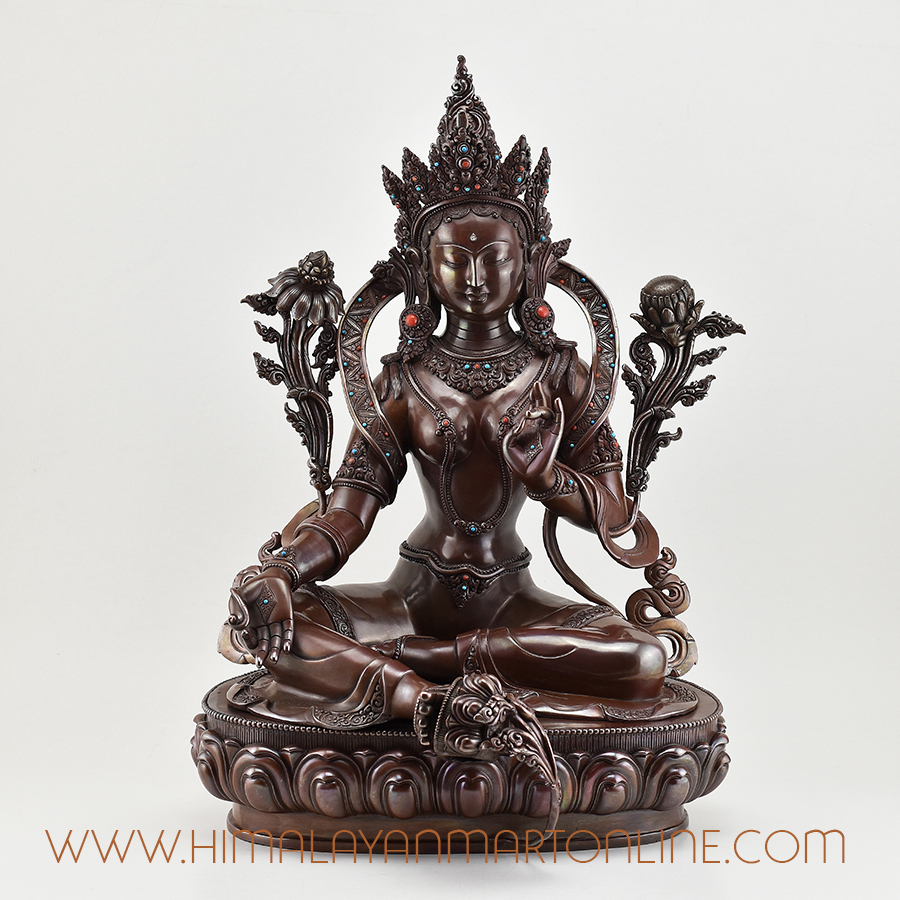
The term “Varada Mudra” is derived from the Sanskrit language, where “Varada” translates to “granting wishes” or “boon-bestowing,” and “Mudra” refers to a symbolic hand gesture. The Varada Mudra is formed by extending the open right hand downward, with the fingers pointing towards the ground. This gesture signifies the act of giving, granting, or offering blessings and protection to those who seek them.
Symbolism in Hinduism:
In Hindu iconography, the Varada Mudra is commonly associated with various deities, particularly those known for their compassion and benevolence. Lord Shiva, the auspicious Lord of Destruction, often depicts the Varada Mudra to convey his willingness to grant blessings and protect his devotees. Goddess Lakshmi, the embodiment of wealth and prosperity, is also frequently portrayed with the Varada Mudra, symbolizing her bestowal of abundance and well-being.

The Varada Mudra is a visual representation of the divine act of giving and the boundless generosity of the gods. It signifies the removal of obstacles, the granting of wishes, and the compassion that flows freely from the divine to the devotee.
Buddhist Representation:
In Buddhism, the Varada Mudra is similarly significant and is often associated with various Buddhas and Bodhisattvas. For example, the historical Buddha, Siddhartha Gautama, is depicted in the Varada Mudra to symbolize the fulfillment of wishes and the compassionate acceptance of all beings. Avalokiteshvara, the Bodhisattva of Compassion, also commonly adopts the Varada Mudra, embodying the readiness to grant spiritual and worldly gifts to those in need.
Cultural Context and Spiritual Implications:
The Varada Mudra transcends specific religious boundaries and resonates with a broader spiritual message. It emphasizes the virtues of generosity, compassion, and the act of giving without expecting anything in return. This mudra serves as a reminder to individuals on their spiritual journey to cultivate a selfless and open-hearted approach to life.
Practical Application in Daily Life:
While the Varada Mudra has deep spiritual roots, its principles can be applied in everyday life. Embracing a mindset of generosity and compassion towards others fosters a harmonious and supportive community. The act of giving, whether material or non-material, can create a positive ripple effect, contributing to the well-being of individuals and society as a whole.
Conclusion:
The Varada Mudra, with its downward-pointing hand symbolizing the bestowal of blessings and boons, holds a timeless and universal message. Whether seen in Hindu or Buddhist iconography, this gesture invites individuals to embody qualities of compassion, generosity, and the selfless act of giving. As we navigate our spiritual and daily lives, the Varada Mudra serves as a visual and symbolic guide, encouraging us to approach the world with an open hand and a heart ready to share the gifts of kindness and goodwill.
The Sacred Harmony: The Significance of the Vajra and Bell Set in Buddhist Rituals
Article written January 1, 2024 By hmmart
In the intricate tapestry of Buddhist rituals and ceremonies, the Vajra and Bell Set emerges as a sacred ensemble, symbolizing profound spiritual insights and invoking a sense of divine harmony. Rooted in ancient traditions and revered by practitioners, this set holds a significant place in Buddhist religious practices.
The Symbolism of the Vajra:
The Vajra, often referred to as the “diamond thunderbolt,” is a symbol of indestructibility and represents the unyielding nature of enlightenment. In Buddhist philosophy, the Vajra embodies the impenetrable reality of ultimate truth and the wisdom that shatters ignorance. Its double-ended, five-pronged design signifies the five elements and the five Buddha families, encapsulating the unity of wisdom and compassion.
The Bell’s Melodious Invocation:
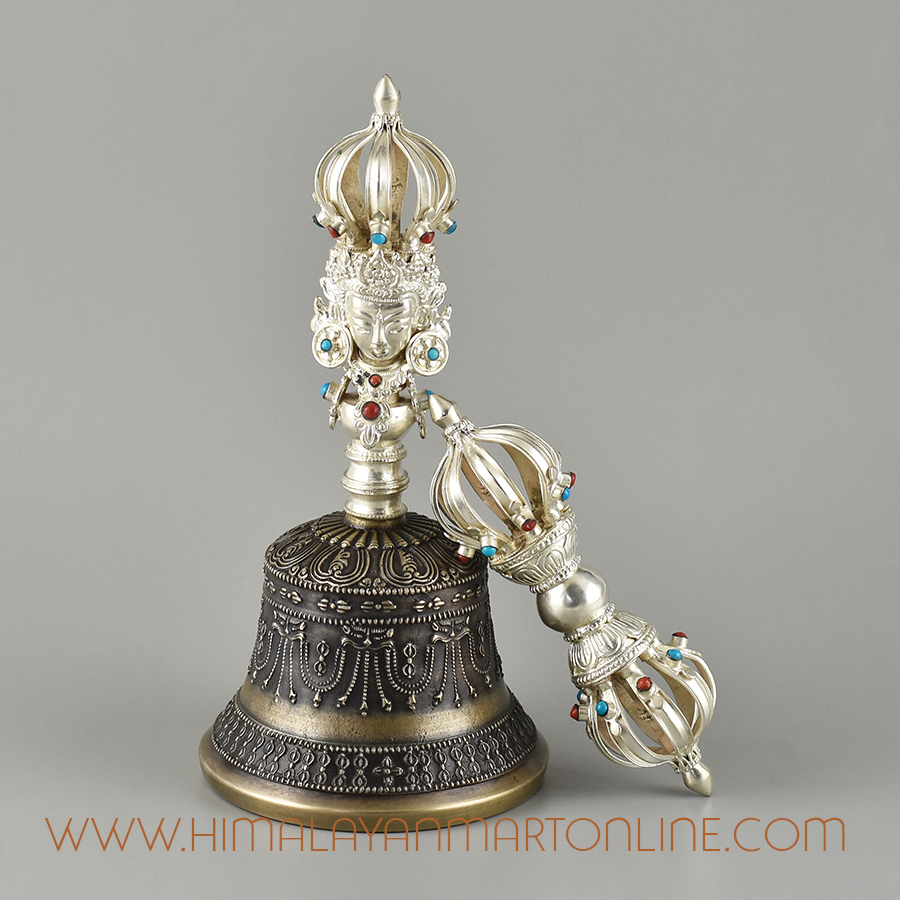
Complementing the Vajra is the Bell, an instrument that adds a melodious dimension to Buddhist rituals. Crafted for fine sound quality, the Bell symbolizes the feminine aspect of wisdom. Its clear, resonant tones are believed to purify the environment and invoke spiritual awareness. In the context of the Vajra and Bell Set, the Bell harmonizes with the Vajra’s powerful symbolism, creating a balanced and transcendent atmosphere during rituals.
Craftsmanship and Ritual Use:
The Vajra and Bell Set is often individually handcrafted by skilled artisans, carrying forward a lineage of sacred artistry. In regions like Patan, Nepal, master artisans from revered clans, such as the Shakya clan, meticulously create these sets. The craftsmanship involves intricate carving with Buddhist symbolic images, ensuring that each set is not only a ritual tool but also a work of art.
In Buddhist rituals, the Vajra is held in the right hand, representing method or skillful means, while the Bell is held in the left, symbolizing wisdom. The striking together of the Vajra and Bell is a ritualistic dance, harmonizing the dualistic aspects of wisdom and compassion within the practitioner.
Spiritual Significance:
Beyond its aesthetic appeal and ritualistic use, the Vajra and Bell Set holds deep spiritual significance. It serves as a reminder of the interconnectedness of wisdom and compassion, encouraging practitioners to cultivate these qualities on their path to enlightenment. The sound of the Bell, combined with the Vajra’s symbolism, becomes a vehicle for transcendent meditation, leading practitioners toward a heightened state of awareness.
Conclusion: The Vajra and Bell Set, a revered artifact in Buddhist religious practices, encapsulates the essence of wisdom and compassion. Its symbolism, craftsmanship, and ritualistic use create a sacred harmony that resonates through the ages, enriching the spiritual journey of those who engage with it. In the dance of the Vajra and Bell, practitioners find a symbolic representation of the profound balance necessary for the attainment of enlightenment in the Buddhist tradition.
Unveiling the Sacred Significance of Ritual Vase (Bhumba) Set in Buddhist Rituals
Article written January 1, 2024 By hmmart
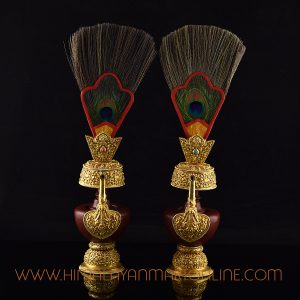
In the intricate tapestry of Buddhist rituals, the Ritual Vase Bhumba Set stands as a symbol of spiritual purity and auspiciousness. Rooted in ancient traditions, this sacred ensemble plays a vital role in various ceremonies and practices, embodying deep symbolic meanings within the Buddhist religion.
The Components of Ritual Vase Bhumba Set:
- Ritual Vase (Bhumba): The central element of the set, the Ritual Vase or Bhumba, typically crafted from metal like copper or silver, symbolizes the receptacle of spiritual blessings. Its elegant design and sacred contents make it a vessel of consecration and an essential tool in ritualistic practices.
- Sacred Contents: The contents within the Ritual Vase often include purified water, symbolic of the purifying essence of wisdom and compassion. This consecrated water is utilized during rituals to bless individuals and spaces, fostering a sense of spiritual sanctity.
- Decorative Elements: Elaborate ornamentation and intricate carvings on the Ritual Vase enhance its sacred aura. Symbols and motifs often associated with Buddhist iconography adorn the vessel, adding layers of meaning to its visual representation.
Symbolism and Ritualistic Use:
The Ritual Vase Bhumpa Set holds deep symbolic significance within Buddhist rituals. The consecrated water within the vase represents the nectar of spiritual awakening, and its use in various ceremonies signifies the act of purifying oneself and the surrounding environment. The pouring of blessed water symbolizes the flow of positive energy and blessings, fostering an atmosphere conducive to spiritual growth.
Cultural Significance:
The Ritual Vase Bhumba Set is deeply embedded in various Buddhist traditions, prominently featuring in ceremonies, consecrations, and rituals conducted by monastics and practitioners alike. Its cultural significance extends beyond its physical form, becoming a vessel through which spiritual teachings and blessings are conveyed.
The Ritual Vase Bhumba Set holds a revered place within Buddhist rituals, embodying the essence of spiritual purity and auspiciousness. Its intricate design, sacred contents, and symbolic significance make it a vessel of profound importance, connecting practitioners with the deeper dimensions of their faith. As the Ritual Vase is raised and its blessed water poured, it becomes a conduit for spiritual energy and a timeless symbol of the continuous flow of wisdom and compassion within the Buddhist tradition.
Buddha on a Lotus Base
Article written January 1, 2024 By hmmart
The Buddha seated on a lotus base represents a classic and revered iconography in Buddhist art and symbolism. The lotus, often associated with purity and enlightenment, serves as a powerful metaphor for the journey of spiritual awakening.
In this depiction, the Buddha is elegantly seated atop a single lotus flower. The choice of a lotus as the base holds deep significance, as the lotus grows from the mud yet remains unstained—a symbol of purity emerging from the impurities of the material world. The single lotus, in particular, signifies a focused and centered state of being.
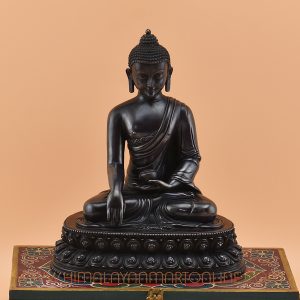
The Buddha’s posture, known as the meditation or Dhyana mudra, reflects a state of deep contemplation and tranquility. The hands are typically placed in the lap, right hand over the left, with both palms facing upward. This mudra signifies the Buddha’s meditation under the Bodhi tree, where he attained enlightenment.
The lotus base not only complements the symbolism of the Buddha’s enlightenment but also adds an aesthetic elegance to the overall sculpture. The unfolding petals of the lotus represent the gradual opening of the heart and mind towards enlightenment, mirroring the stages of spiritual development. This portrayal captures the essence of the Buddha’s teachings—the journey from ignorance to enlightenment, from the murky depths of worldly attachments to the pristine clarity of spiritual insight. The combination of the Buddha and the lotus base creates a harmonious and visually striking representation, inviting contemplation and reflection on the path to awakening.
The timeless image of the Buddha seated on a lotus base is not merely an artistic representation but a visual narrative of spiritual evolution. The lotus serves as a poignant reminder of purity emerging from the impurities of life, creating a captivating and spiritually resonant tableau that continues to inspire seekers on their journey towards enlightenment.
Ghode Jatra: Nepal’s Vibrant Festival of Horses
Article written December 15, 2023 By hmmart
Ghode Jatra Horse Festival an Introduction:
Ghode Jatra Horse Festival: Nepal, a land of diverse cultures and traditions, boasts a rich tapestry of festivals that reflect the country’s unique heritage. One such colorful and lively celebration is Ghode Jatra, a festival that blends equestrian skills, ancient rituals, and community festivities. Ghode Jatra, also known as the ‘Festival of Horses,’ is an annual event celebrated with great enthusiasm in the Kathmandu Valley, offering a captivating glimpse into the cultural mosaic of Nepal.
Historical Roots:
The roots of Ghode Jatra can be traced back to ancient times, with historical references suggesting that the festival has been celebrated for centuries. One popular legend associated with Ghode Jatra is the belief that the powerful demon Tundi once terrorized the Kathmandu Valley. To ward off the malevolent spirit, people organized a horse race and engaged in various horse-related activities, symbolizing the victory of good over evil. Over time, this tradition evolved into the vibrant festival known as Ghode Jatra.
Date and Location:
Ghode Jatra typically falls in March or April, depending on the lunar calendar. The main festivities take place at the Tundikhel ground in the heart of Kathmandu, attracting locals and tourists alike. Tundikhel, a vast open space, serves as the perfect arena for the spectacular horse parades and cultural performances that define the festival.
Key Traditions and Rituals:
The Grand Horse Parade:
The centerpiece of Ghode Jatra is undoubtedly the grand horse parade. Riders, adorned in traditional attire, showcase their equestrian skills, performing stunts and acrobatics on horseback. The parade is a breathtaking display of coordination and horsemanship, drawing cheers from the spectators.
Hoisting the Yosin:
Another significant ritual involves the hoisting of the ‘Yosin,’ a ceremonial pole adorned with flags and religious emblems. This ritual is believed to symbolize the protection of the city from evil spirits and calamities. The Yosin is erected in various locations across the city, marking the sacredness of the festival.
Offerings and Worship:
Ghode Jatra is not just about the physical prowess of horses; it also includes religious ceremonies. Many people visit temples and shrines to offer prayers and seek blessings for good health and prosperity.
Cultural Performances:
The festival is not limited to equestrian events; it also features a variety of cultural performances, including traditional dances, music, and processions. These performances showcase the rich cultural heritage of Nepal and contribute to the festive atmosphere.
Significance and Modern Celebrations:
Ghode Jatra holds great cultural and historical significance in Nepal. Beyond its traditional roots, the festival has evolved to embrace modern elements, attracting a diverse audience. It serves as a platform to celebrate the unity of the community, promote cultural awareness, and highlight the importance of preserving Nepal’s cultural heritage.
Ghode Jatra stands as a testament to Nepal’s vibrant cultural identity, blending ancient traditions with modern celebrations. The festival not only honors the historical legends of the Kathmandu Valley but also provides a platform for the community to come together in joyous celebration. Ghode Jatra is a living testament to the resilience and continuity of Nepal’s rich cultural heritage, inviting all to witness the beauty and vibrancy of this unique festival.
Rato Machhindranath – Living Goddess of Rain
Article written September 30, 2023 By hmmart
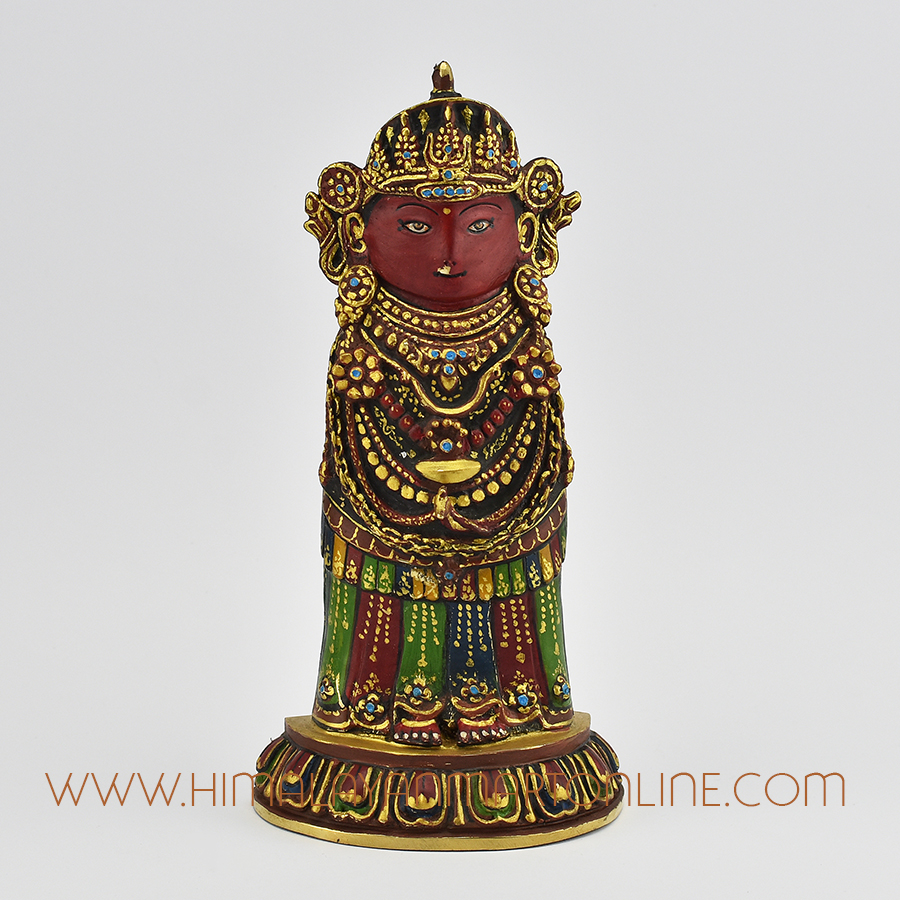
In the Kathmandu Valley of Nepal, amidst the bustling streets and ancient temples, a remarkable tradition unfolds every year signifying the harmonious blend of spirituality and culture that defines the region. At the heart of this tradition stands Rato Machhindranath, a deity revered as the Living Goddess of Rain. In this article, we delve into the rich history, cultural significance, and enduring relevance of Rato Machhindranath.
The Origins of Rato Machhindranath
Rato Machhindranath is a deity associated with the Newar community of the Kathmandu Valley, known for its distinct culture and religious practices. The name “Machhindranath” is derived from the Sanskrit words “Matsya” (fish) and “Indra” (king), referring to a legendary fish that King Gunakamadeva caught while performing a religious penance. This divine event is believed to have brought rain to the parched land, and Machhindranath was subsequently venerated as the deity responsible for ensuring rainfall and agricultural prosperity.
The Chariot Festival: A Spectacle of Devotion
The most iconic and grand celebration of Rato Machhindranath’s presence is the Rato Machhindranath Jatra, a month-long chariot festival that takes place annually. This festival typically occurs in the spring, usually April or May, coinciding with the onset of the monsoon season. The main attraction of the festival is the enormous wooden chariot of Rato Machhindranath, which is pulled through the narrow streets of Kathmandu by hundreds of devotees.
The chariot, adorned with intricate woodwork and vibrant decorations, symbolizes the deity’s journey to bring rain to the valley. The festival provides an opportunity for people from all walks of life to come together, fostering a sense of belonging and unity. It also serves as a platform for showcasing traditional music, dance, and art forms, preserving the cultural heritage of the Kathmandu Valley. Rato Machhindranath, the Living Goddess of Rain, stands as a testament to the profound relationship between spirituality, culture, and community in Nepal’s Kathmandu Valley. The annual chariot festival, with grandeur and devotion, encapsulates the essence of this revered deity and the enduring traditions of the Newar people. As Rato Machhindranath’s chariot traverses the streets, it symbolizes not only the hope for rain but also the unity and cultural richness of the region – a living testament to Nepal’s vibrant spiritual and cultural heritage.
Blessing of Thangka Scroll Painting in Tibetan Buddhism Tradition
Article written August 24, 2023 By hmmart
The blessing of a Thangka Scroll Painting in Tibetan Buddhism is a revered ritual that infuses the artwork with spiritual energy and connects it to the blessings of enlightened beings. This ceremony holds deep significance, as Thangkas are not merely artistic representations but also windows to the divine, serving as aids for meditation and avenues for spiritual growth. Here is a step-by-step overview of how a Thangka is blessed in the Tibetan Buddhist tradition:
1. Preparation and Purification: The blessing ceremony takes place in a clean and consecrated space. The Thangka is placed on an altar adorned with offerings such as candles, incense, water, flowers, and symbolic objects. The ceremony often begins with the purification of the surroundings through the lighting of incense and the recitation of mantras to cleanse the environment of negative energies.
2. Invoking Deities and Lineage Masters: The ritual typically commences with the recitation of specific mantras and prayers that invoke the presence of the deities depicted in the Thangka. This is followed by the calling upon the blessings of lineage masters, gurus, and enlightened beings who are part of the tradition. These invocations create a sacred atmosphere and establish a connection between the physical and spiritual realms.
3. Empowerment and Blessing: A lama (spiritual teacher) or a qualified monk leads the blessing ceremony. The lama may engage in deep meditation and visualization, channeling the energy of compassion and wisdom. Through their presence and practice, they empower the Thangka with positive vibrations and spiritual potency. The lama may also perform mudras (symbolic hand gestures) and recite mantras associated with the deities depicted in the painting.
4. Chanting and Recitation: During the blessing, the lama and the attending practitioners often chant sacred mantras, sutras, and prayers. These vocalizations serve to amplify the blessings, creating a collective resonance that harmonizes with the spiritual intentions of the ceremony.
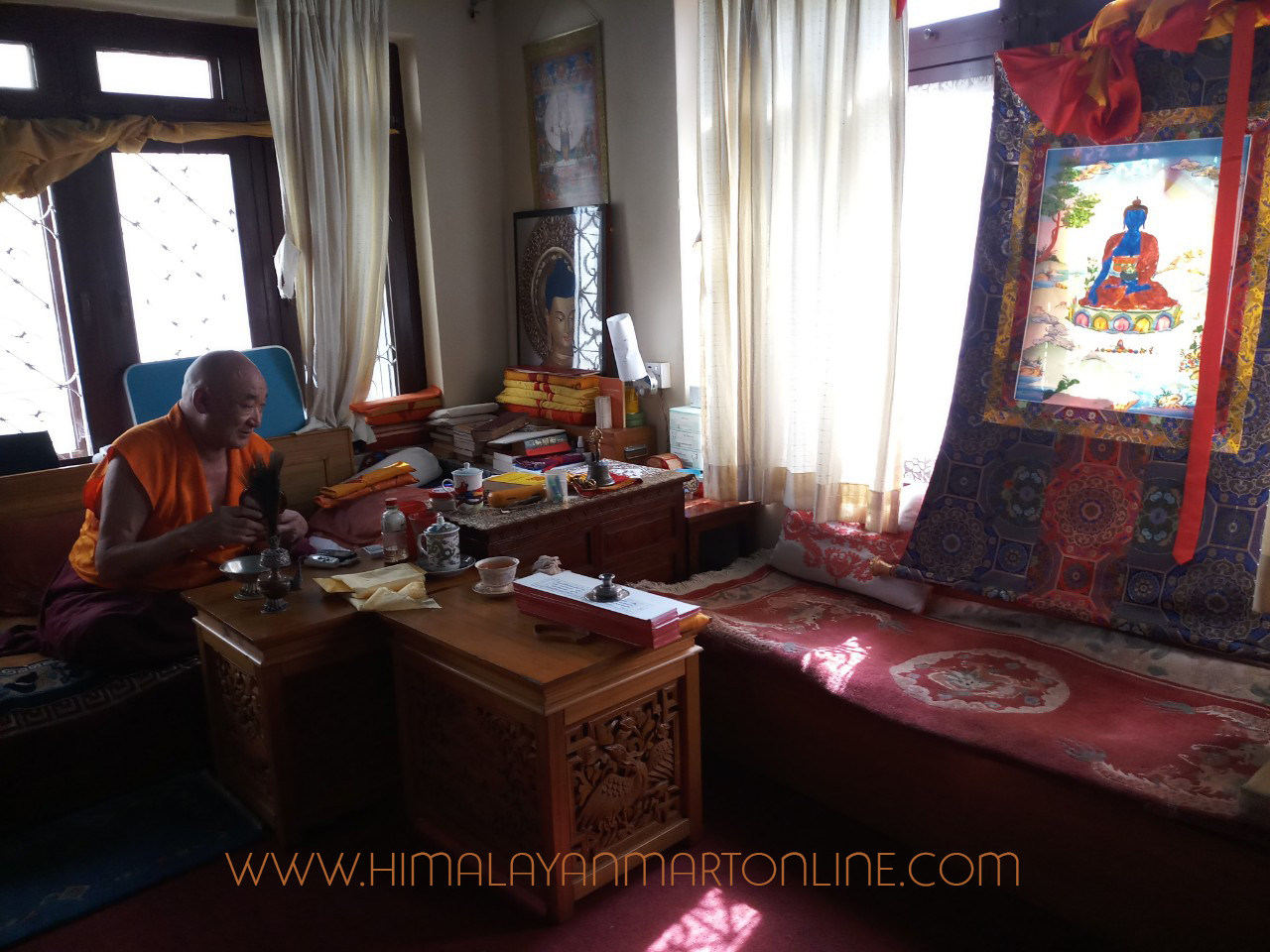
5. Offerings and Dedication: Devotees present offerings to the divine, symbolizing their devotion and commitment to the spiritual path. These offerings are made with a sincere heart, representing the offering of one’s senses and attachments. The blessings are then dedicated to the well-being and enlightenment of all sentient beings, spreading the positive energy beyond the immediate space.
6. Receiving Blessings: Participants have the opportunity to receive blessings from the lama, often through the touching of a blessed object or by receiving a sprinkle of water infused with blessings. This gesture is believed to transfer the spiritual energy and blessings of the ceremony to the participants.
7. Conclusion and Aspiration: The ceremony concludes with expressions of gratitude, aspiration prayers for spiritual growth, and the dedication of merits. Participants may make personal aspirations for their practice and the well-being of others.
The blessed Thangka becomes a sacred object, charged with the blessings of enlightened beings, and is often displayed in homes, monasteries, or meditation spaces. Its presence serves as a source of inspiration, protection, and a reminder of the spiritual path.
In essence, the blessing of a Thangka Scroll Painting in the Tibetan Buddhist tradition is a profound ritual that bridges the material and spiritual realms, uniting devotees with the wisdom and compassion of the divine.