Ghode Jatra: Nepal’s Vibrant Festival of Horses

Ghode Jatra Horse Festival an Introduction:

Ghode Jatra Horse Festival: Nepal, a land of diverse cultures and traditions, boasts a rich tapestry of festivals that reflect the country’s unique heritage. One such colorful and lively celebration is Ghode Jatra, a festival that blends equestrian skills, ancient rituals, and community festivities. Ghode Jatra, also known as the ‘Festival of Horses,’ is an annual event celebrated with great enthusiasm in the Kathmandu Valley, offering a captivating glimpse into the cultural mosaic of Nepal.

Historical Roots:

The roots of Ghode Jatra can be traced back to ancient times, with historical references suggesting that the festival has been celebrated for centuries. One popular legend associated with Ghode Jatra is the belief that the powerful demon Tundi once terrorized the Kathmandu Valley. To ward off the malevolent spirit, people organized a horse race and engaged in various horse-related activities, symbolizing the victory of good over evil. Over time, this tradition evolved into the vibrant festival known as Ghode Jatra.

Date and Location:

Ghode Jatra typically falls in March or April, depending on the lunar calendar. The main festivities take place at the Tundikhel ground in the heart of Kathmandu, attracting locals and tourists alike. Tundikhel, a vast open space, serves as the perfect arena for the spectacular horse parades and cultural performances that define the festival.

Key Traditions and Rituals:

    The Grand Horse Parade:

    The centerpiece of Ghode Jatra is undoubtedly the grand horse parade. Riders, adorned in traditional attire, showcase their equestrian skills, performing stunts and acrobatics on horseback. The parade is a breathtaking display of coordination and horsemanship, drawing cheers from the spectators.

    Hoisting the Yosin:

    Another significant ritual involves the hoisting of the ‘Yosin,’ a ceremonial pole adorned with flags and religious emblems. This ritual is believed to symbolize the protection of the city from evil spirits and calamities. The Yosin is erected in various locations across the city, marking the sacredness of the festival.

    Offerings and Worship:

    Ghode Jatra is not just about the physical prowess of horses; it also includes religious ceremonies. Many people visit temples and shrines to offer prayers and seek blessings for good health and prosperity.

    Cultural Performances:

    The festival is not limited to equestrian events; it also features a variety of cultural performances, including traditional dances, music, and processions. These performances showcase the rich cultural heritage of Nepal and contribute to the festive atmosphere.

Significance and Modern Celebrations:

Ghode Jatra holds great cultural and historical significance in Nepal. Beyond its traditional roots, the festival has evolved to embrace modern elements, attracting a diverse audience. It serves as a platform to celebrate the unity of the community, promote cultural awareness, and highlight the importance of preserving Nepal’s cultural heritage.

Ghode Jatra stands as a testament to Nepal’s vibrant cultural identity, blending ancient traditions with modern celebrations. The festival not only honors the historical legends of the Kathmandu Valley but also provides a platform for the community to come together in joyous celebration. Ghode Jatra is a living testament to the resilience and continuity of Nepal’s rich cultural heritage, inviting all to witness the beauty and vibrancy of this unique festival.
Blessing of Thangka Scroll Painting in Tibetan Buddhism Tradition

The blessing of a Thangka Scroll Painting in Tibetan Buddhism is a revered ritual that infuses the artwork with spiritual energy and connects it to the blessings of enlightened beings. This ceremony holds deep significance, as Thangkas are not merely artistic representations but also windows to the divine, serving as aids for meditation and avenues for spiritual growth. Here is a step-by-step overview of how a Thangka is blessed in the Tibetan Buddhist tradition:

1. Preparation and Purification: The blessing ceremony takes place in a clean and consecrated space. The Thangka is placed on an altar adorned with offerings such as candles, incense, water, flowers, and symbolic objects. The ceremony often begins with the purification of the surroundings through the lighting of incense and the recitation of mantras to cleanse the environment of negative energies.

2. Invoking Deities and Lineage Masters: The ritual typically commences with the recitation of specific mantras and prayers that invoke the presence of the deities depicted in the Thangka. This is followed by the calling upon the blessings of lineage masters, gurus, and enlightened beings who are part of the tradition. These invocations create a sacred atmosphere and establish a connection between the physical and spiritual realms.

3. Empowerment and Blessing: A lama (spiritual teacher) or a qualified monk leads the blessing ceremony. The lama may engage in deep meditation and visualization, channeling the energy of compassion and wisdom. Through their presence and practice, they empower the Thangka with positive vibrations and spiritual potency. The lama may also perform mudras (symbolic hand gestures) and recite mantras associated with the deities depicted in the painting.

4. Chanting and Recitation: During the blessing, the lama and the attending practitioners often chant sacred mantras, sutras, and prayers. These vocalizations serve to amplify the blessings, creating a collective resonance that harmonizes with the spiritual intentions of the ceremony.

Tibetan Thangka Painting Blessing

5. Offerings and Dedication: Devotees present offerings to the divine, symbolizing their devotion and commitment to the spiritual path. These offerings are made with a sincere heart, representing the offering of one’s senses and attachments. The blessings are then dedicated to the well-being and enlightenment of all sentient beings, spreading the positive energy beyond the immediate space.

6. Receiving Blessings: Participants have the opportunity to receive blessings from the lama, often through the touching of a blessed object or by receiving a sprinkle of water infused with blessings. This gesture is believed to transfer the spiritual energy and blessings of the ceremony to the participants.

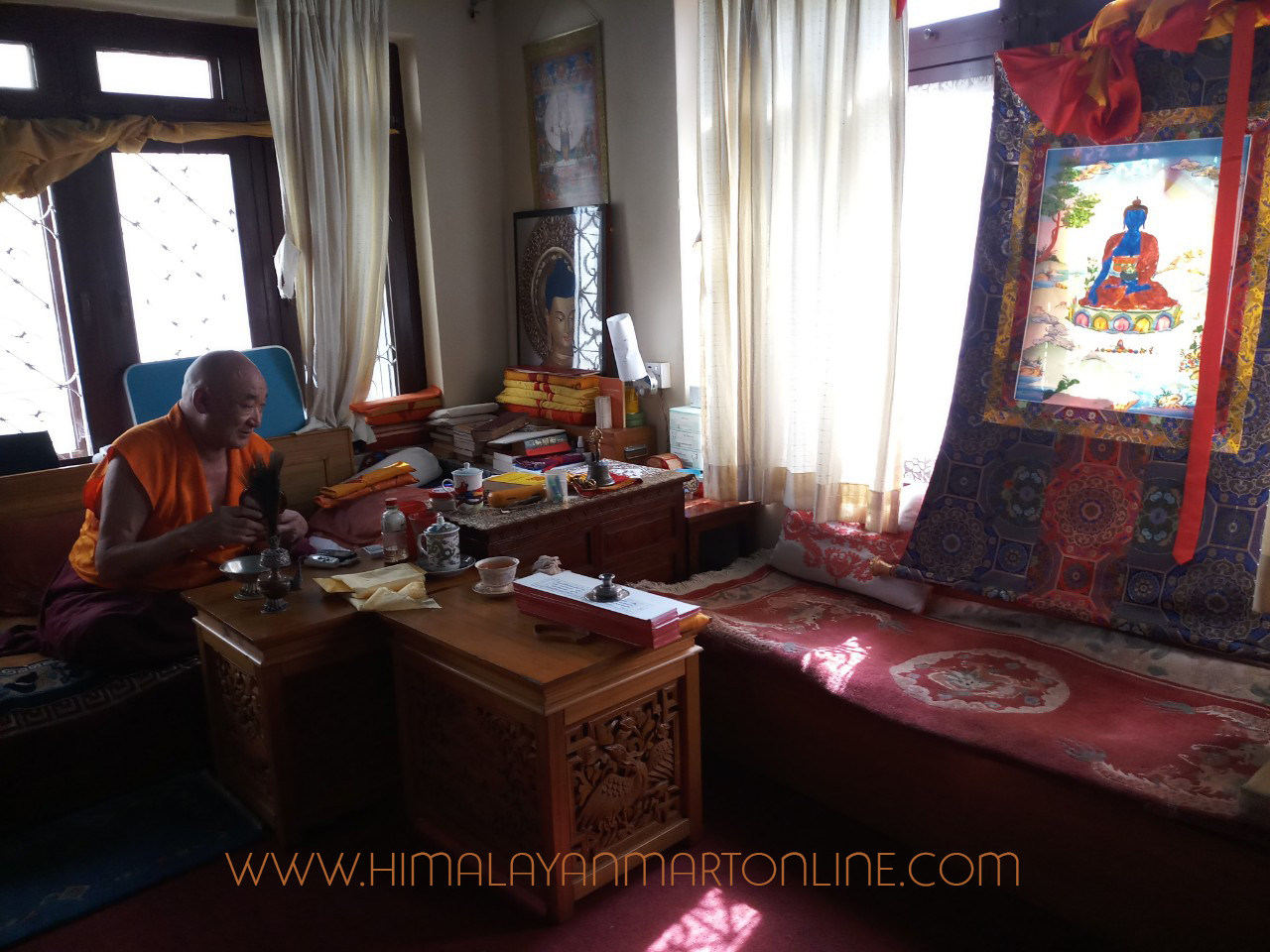
Khempo Kalsang Blessing Medicine Buddha Tibetan Ritual Thangka Scroll Painting

7. Conclusion and Aspiration: The ceremony concludes with expressions of gratitude, aspiration prayers for spiritual growth, and the dedication of merits. Participants may make personal aspirations for their practice and the well-being of others.

The blessed Thangka becomes a sacred object, charged with the blessings of enlightened beings, and is often displayed in homes, monasteries, or meditation spaces. Its presence serves as a source of inspiration, protection, and a reminder of the spiritual path.

In essence, the blessing of a Thangka Scroll Painting in the Tibetan Buddhist tradition is a profound ritual that bridges the material and spiritual realms, uniting devotees with the wisdom and compassion of the divine.

Robes (Dress) for Statues of Buddha & other Deities

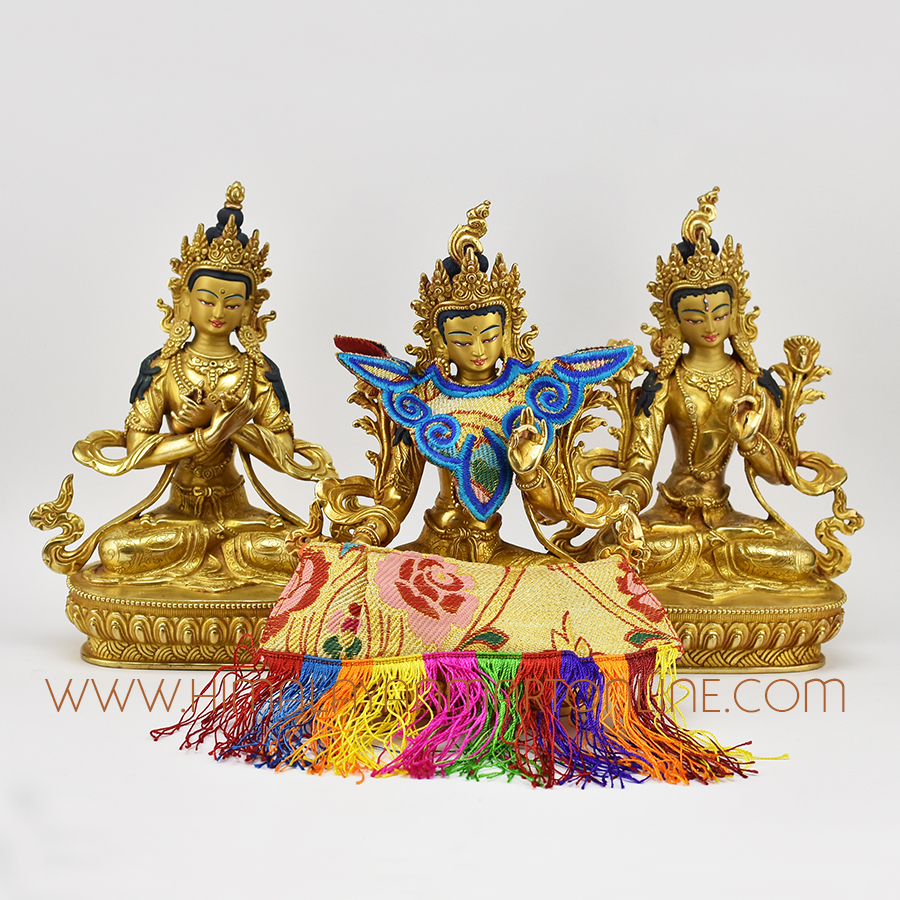
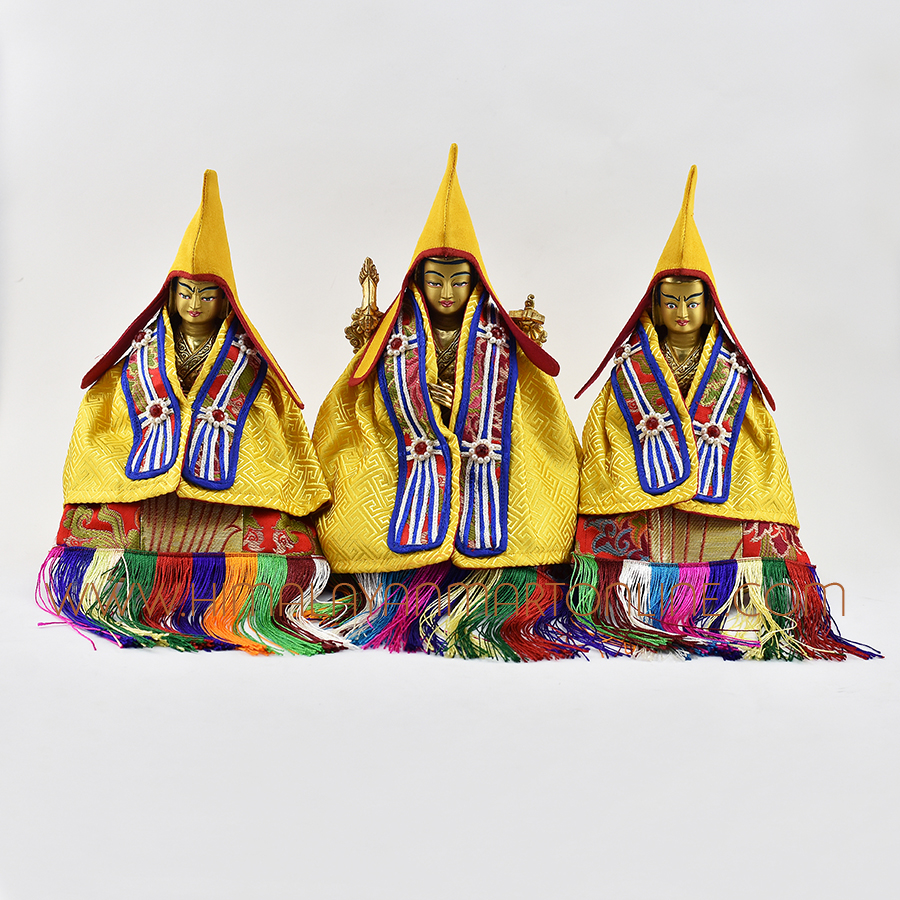
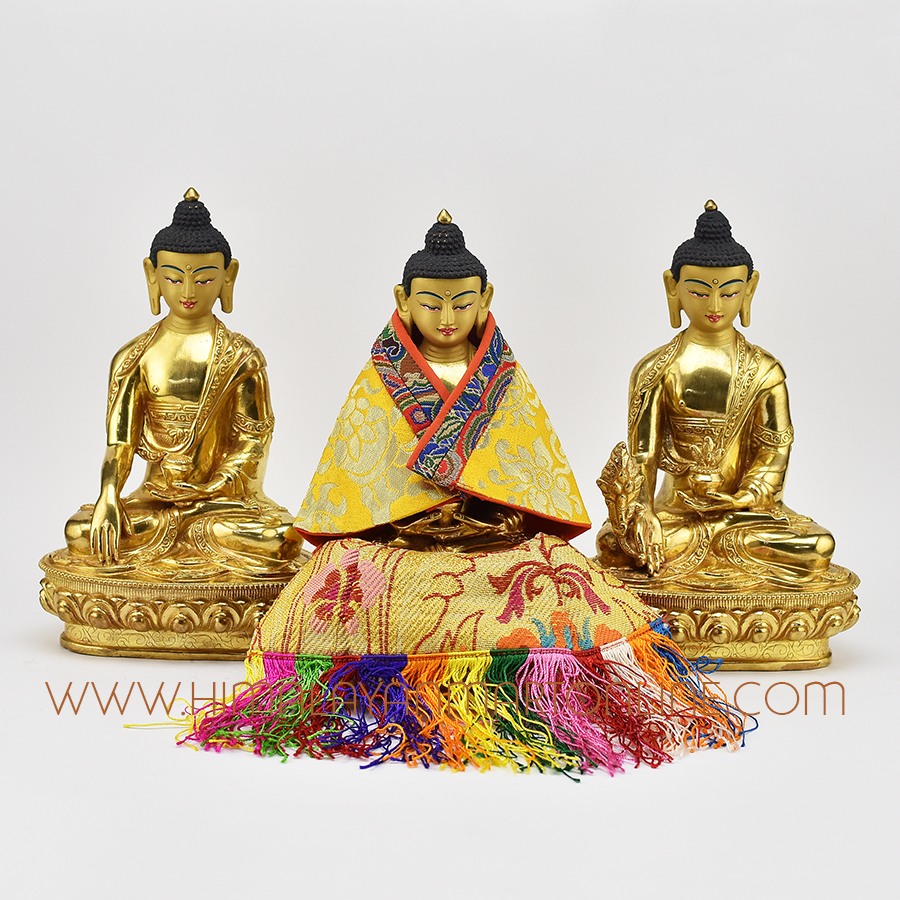
Robes Dress Buddha Statues

Robes Dress Buddha Statues – Ku Nhamja – Robes (Dress) for Statues

In Tibetan Buddhism, dressing statues of the Buddha and other revered deities is an essential part of religious practice, and it holds special significance within this particular Buddhist tradition. The practice of dressing statues in Tibetan Buddhism is known as “enrobing” or “empowering” the statues, and it is influenced by the rich cultural and religious heritage of Tibet.

Robes Dress Bodhisattva Statues

Dressing statues (Robes Dress Buddha Statues other deities) is important in Tibetan Buddhism because of following reasons:

  1. Symbolism and Empowerment: In Tibetan Buddhism, dressing the statues is seen as a way to imbue them with spiritual power and blessings. The process involves a consecration ritual performed by qualified lamas or monks, during which sacred mantras and prayers are recited. This is believed to infuse the statue with the presence and energy of the enlightened beings it represents, making it a living symbol of their qualities and teachings.
  2. Offerings and Devotion: Dressing the statues is considered a profound offering and an act of devotion. It is an opportunity for practitioners to express their reverence and gratitude to the Buddhas, Bodhisattvas, or other deities for their guidance and compassion.
  3. Aiding Visualization and Meditation: In Tibetan Buddhist practices, visualizations of deities play a significant role. The physical presence of a dressed statue can aid practitioners in their meditations and visualizations of the enlightened beings. It serves as a focal point for generating a deeper connection and understanding of the deity’s qualities.
  4. Cultural Heritage: Tibet has a rich cultural heritage, and the enrobing of statues is deeply rooted in its artistic traditions. The clothing and accessories used to dress the statues often reflect the distinctive Tibetan art styles and craftsmanship.
  5. Merit and Spiritual Benefits: As in other Buddhist traditions, dressing statues in Tibetan Buddhism is believed to generate merit and positive karma. The act of offering beautiful and symbolic garments is thought to create auspicious conditions for one’s spiritual growth and well-being.
  6. Ritual and Ceremonial Importance: Enrobing statues is part of various religious ceremonies and festivals in Tibetan Buddhism. These rituals play a vital role in fostering a sense of community among practitioners and reinforcing their shared faith and devotion.
Robes Dress Guru Statues

It’s important to emphasize that the significance and practices related to dressing statues can vary within different Tibetan Buddhist schools and lineages. Additionally, the cultural context and historical influences in Tibet have shaped the specific rituals and customs surrounding this practice in unique ways.

Sarangi – Traditional Nepali Folk Instrument

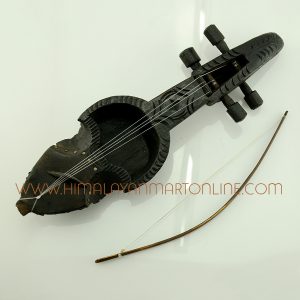
Sarangi is a Nepali folk musical instrument. It is a chordophone played by bowing. Traditionally in Nepal, the Sarangi was only played by people of Gandarbha or Gaine in local terms (both contested and interchangeable terms), who sing narrative tales and folk song, however; in present days, its popularity extends beyond the Gandarbha community and is widely used and played by other cast members as well. It has also garnered much interest in other music genres, such as Nepali rock and film music. While the Sarangi has become the quintessential Gandarbha instrument, while its counterpart, the arbajo, which is a plucked lute, has fallen into obscurity.

Construction

Traditional Nepali Sarangi is not standardized with regards to shape, construction materials, or scale or key. It is made up of a single piece of wood. Having a neck and hollowed-out double-chambered body, they are often made from woods of trees that are easily available, most often that of Khirra, Saaj, Lakuri, or aap. While the upper chamber is left open, the lower opening, upon which the bridge rests, is generally covered up with dried skin of sheep or goat. The neck is fretless, and the strings are tied upon and tuned with the tuning pegs. The size of Sarangi differs according to the players’ preference.

Sarangi Nepali folk instrument

The Sarangi Nepali folk instrument consists of four strings. The original strings were made up of sheep intestine, similar to the use of catgut (made from the intestines of cattle) in many musical traditions around the world. The Gandarbha received intestines of sheep sacrificed during major festivals like Dashain, which they left in a pot for some days. Once the entrails was fully rotten, it was pulled out, leaving behind the fine nerves of the intestine in the pot. These were then woven to make strings. However, these days, badminton strings, nylon and steel strings have generally replaced gut strings. The bow was traditionally strung with horse tail-hair, but in the modern days, nylon bowstrings are common.

Tuning of the Instrument

The range of the Sarangi covers almost two octaves, and it is tuned in 5ths. From right to left, the four strings of Sarangi are tuned to lower fifth, root, root and fifth notes of a particular key. The middle 2 strings are used as drone. The instrument is tuned either by ear at the performer’s discretion, or tuned to keys of western music. This is mostly done in a setting where a standardized key is required to facilitate performing with musical instruments of other cultures, or in a recording studio. For example; if the middle tow strings are tuned at G note, both the first and fourth strings are corresponded to D.

Performance Techniques

There are different methods of producing notes on the Sarangi. Most players play the Sarangi by pressing the strings slightly with their fingers of the left hand and bowing the strings with right hand. However, Bharat Nepali and his students rub their hand fingernails to rub against the strings to create sound.

Also, traditionally, the Gandarbhas used to bow the root note continuously along with the notes of the song. As Sarangi is usually the only instrument used in their songs, except some Nepali percussion like Madal, the continuous sound of the root note (or drone from the 2 middle strings) provides the ambiance. Since now days the Sarangi is also played along with other instruments, performers do not bow the drone string continuously.

Unlike the traditional way of playing the Sarangi in a single key, modern players have started to use modal techniques to play the Sarangi in different keys. Along with the folk tunes, the Sarangi players also experimenting the use of this instrument in modern and western genres these days.

Why Butter lamps / Lights Offering?


Why offering butter lamps or lights? Is that just a cultural tradition?  What is the benefit of making butter lamps / light offerings?  Why should one make butter lamp offerings? Because we are not accustomed to the practice, these doubts often arise.


Phakchok Rinpoche explains the meaning of traditional butter lamp offerings.


Why offering butter lamps or lights? Light means understanding because light represents wisdom. And light removes and dispels misunderstanding. All of our suffering comes from not knowing and not seeing. Offering lights or butter lamps indirectly removes confusion. Moreover, to be successful in life we need to have clear ideas and good understanding. And we should not just believe that success and good results are based on luck. Instead, when we have problems, we need clear understanding and wisdom to solve those problems.

Vast Offerings

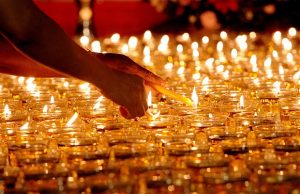
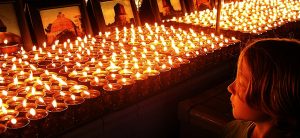
Why butter lamps or lights offerings? And why so many? For example, we hear about big offerings of 100,000 butter lamps. How does this benefit? The effect of making large offerings is immense. Because of this, Rinpoche reminds us that we all should make big offerings. Vast offerings reduce obstacles and achieve big results. And the good news is that even large light offerings are relatively easy for us to arrange. The traditional offerings are butter lamps, as in the photo on this page. But, we can also use candles and lanterns. Nowadays, especially inside buildings, we often use electric or battery-operated lights.


Correct Motivation

It is very important to have correct motivation when we make offerings. Therefore, we should pause before we start our offerings to recall the vast attitude of bodhicitta. Here we include a beautiful aspiration prayer by Mipham Rinpoche. The Tibetan/English text for the prayer can be found at Chants for the Meditation Session at Lhasey Lotsawa.

About Nepalese Handicrafts

Himalayan Mart attempt to provide an impetus to the traditional Nepalese Handicrafts and provide large visibility to the handmade crafts. We sell unique handicrafts from the Himalayan Kingdom of Nepal. The Himalayan Kingdom is known for its breathtaking beauty, is also highly regarded for its outstanding craftsmanship.The skills and excellence of its Himalayan artisans and craftsmen are often regarded among the finest in the world.

The Himalayan Kingdom, with its old traditions and the diversity of its population and culture, has maintained high standards of quality in its heritage of Himalayan handicrafts.The Himalayan creations include Buddha statues, thankas or thangkas, pashmina shawls, pashmina stoles, pashmina scarves, cashmere shawls, cashmere stoles, Tibetan carpets, Kashmiri carpets, singing bowls, prayer wheels etc

Himalayan Handicrafts are distinguished by their unique old technique.Himalayan handicrafts are widely acclaimed abroad because they serve both ornamental and functional purposes. There is a strong demand for this combination among foreign consumers.

Himalayan Mart, We invite you to browse the fascinating world of Himalayan handicrafts and appreciate the art of these handcrafts that has defied time. Although each item of Himalayan handicrafts is an individual piece by itself in terms of craftsmanship design and color, we can even specially custom manufacture for you any of the following Himalayan items in customized colors and custom designs to suit your individual requirement and likings.

Subscribe To Our Newsletter