
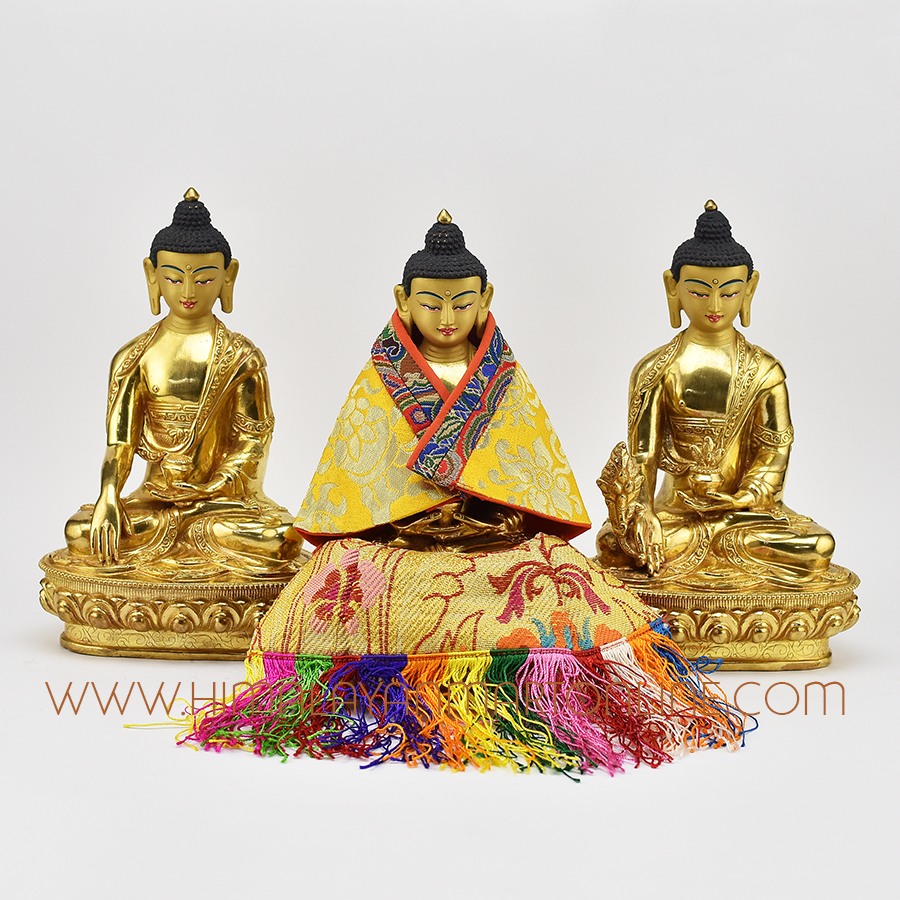
Robes Dress Buddha Statues – Ku Nhamja – Robes (Dress) for Statues
In Tibetan Buddhism, dressing statues of the Buddha and other revered deities is an essential part of religious practice, and it holds special significance within this particular Buddhist tradition. The practice of dressing statues in Tibetan Buddhism is known as “enrobing” or “empowering” the statues, and it is influenced by the rich cultural and religious heritage of Tibet.
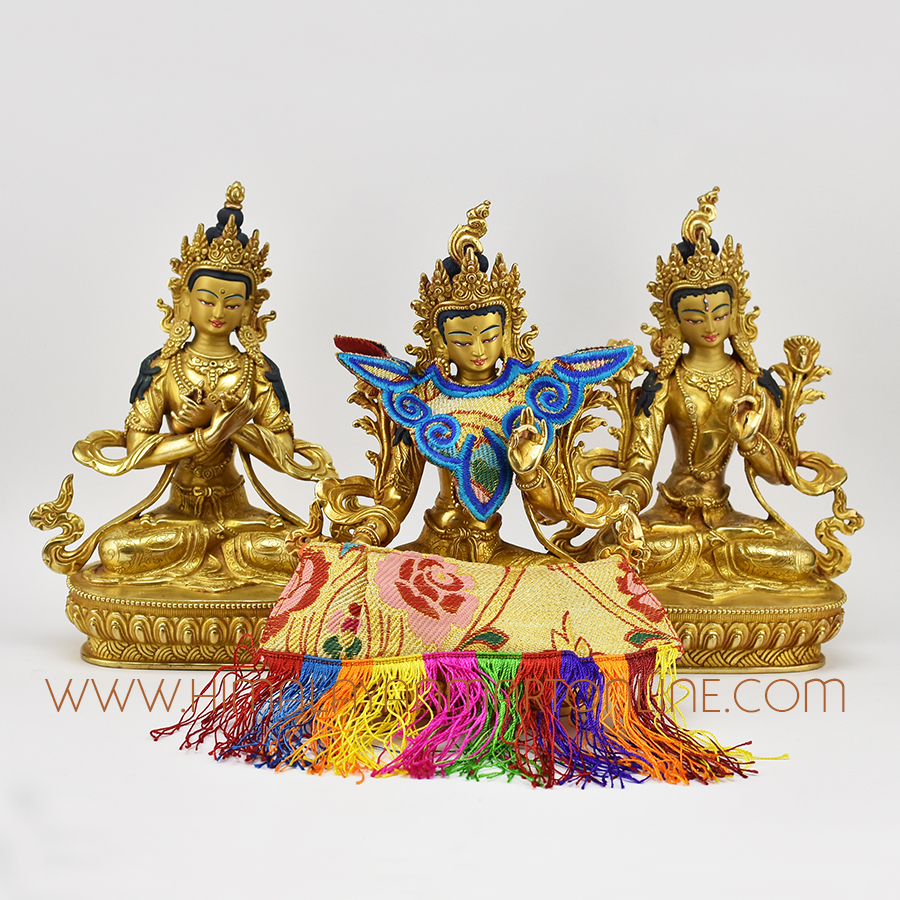
Dressing statues (Robes Dress Buddha Statues other deities) is important in Tibetan Buddhism because of following reasons:
- Symbolism and Empowerment: In Tibetan Buddhism, dressing the statues is seen as a way to imbue them with spiritual power and blessings. The process involves a consecration ritual performed by qualified lamas or monks, during which sacred mantras and prayers are recited. This is believed to infuse the statue with the presence and energy of the enlightened beings it represents, making it a living symbol of their qualities and teachings.
- Offerings and Devotion: Dressing the statues is considered a profound offering and an act of devotion. It is an opportunity for practitioners to express their reverence and gratitude to the Buddhas, Bodhisattvas, or other deities for their guidance and compassion.
- Aiding Visualization and Meditation: In Tibetan Buddhist practices, visualizations of deities play a significant role. The physical presence of a dressed statue can aid practitioners in their meditations and visualizations of the enlightened beings. It serves as a focal point for generating a deeper connection and understanding of the deity’s qualities.
- Cultural Heritage: Tibet has a rich cultural heritage, and the enrobing of statues is deeply rooted in its artistic traditions. The clothing and accessories used to dress the statues often reflect the distinctive Tibetan art styles and craftsmanship.
- Merit and Spiritual Benefits: As in other Buddhist traditions, dressing statues in Tibetan Buddhism is believed to generate merit and positive karma. The act of offering beautiful and symbolic garments is thought to create auspicious conditions for one’s spiritual growth and well-being.
- Ritual and Ceremonial Importance: Enrobing statues is part of various religious ceremonies and festivals in Tibetan Buddhism. These rituals play a vital role in fostering a sense of community among practitioners and reinforcing their shared faith and devotion.
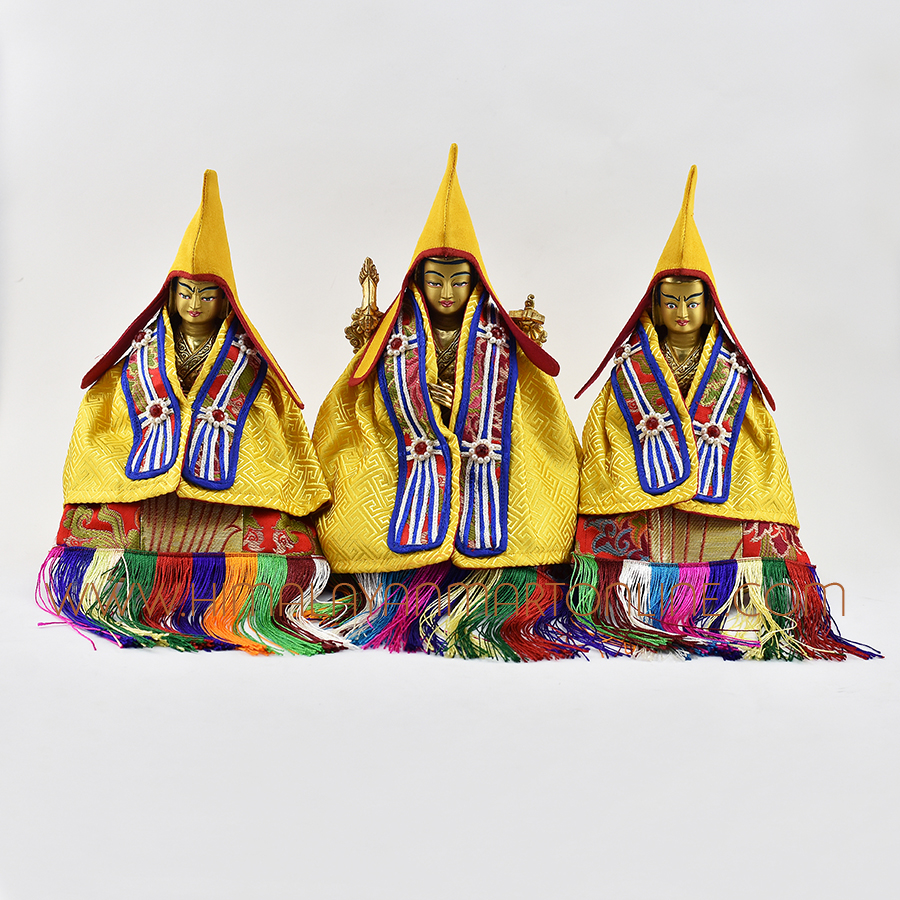
It’s important to emphasize that the significance and practices related to dressing statues can vary within different Tibetan Buddhist schools and lineages. Additionally, the cultural context and historical influences in Tibet have shaped the specific rituals and customs surrounding this practice in unique ways.