
Varada Mudra an Introduction:
In the realm of traditional Tibetan and Indian art and spiritual iconography, the Varada Mudra stands out as a symbolic and revered hand gesture. This ancient gesture, commonly seen in depictions of various deities and enlightened beings, holds deep spiritual significance, embodying qualities of compassion, generosity, and the granting of boons. Let’s explore the origins, cultural contexts, and the profound symbolism behind the Varada Mudra.
Origins and Meaning:
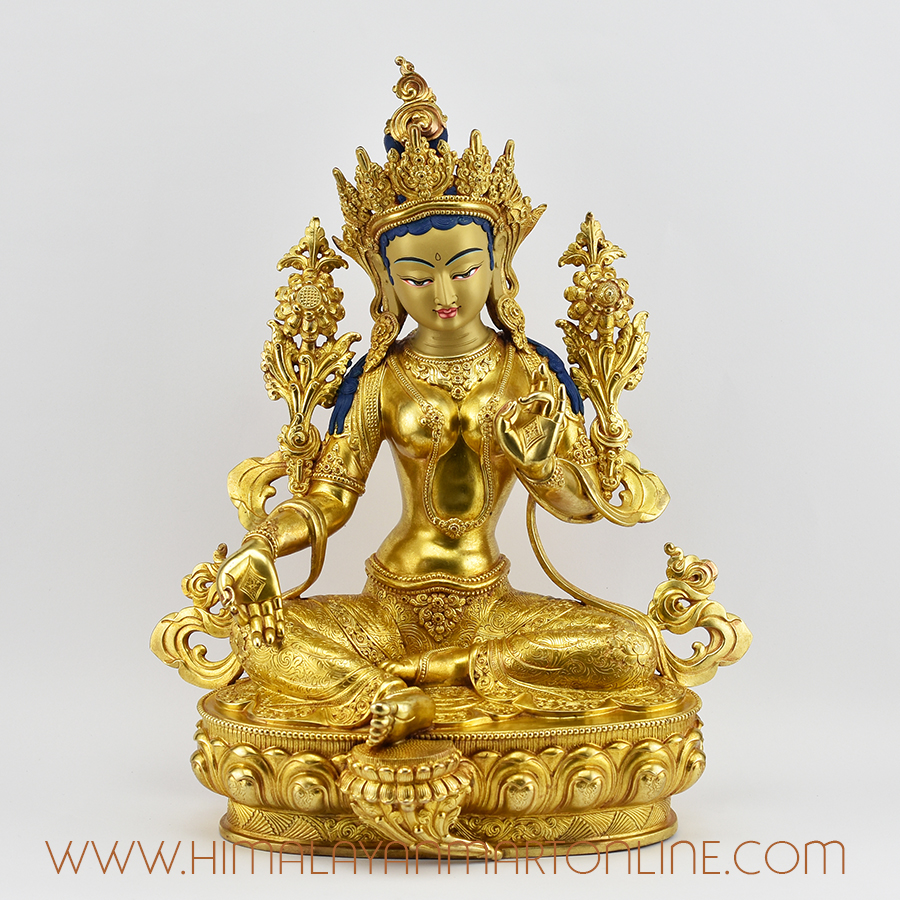
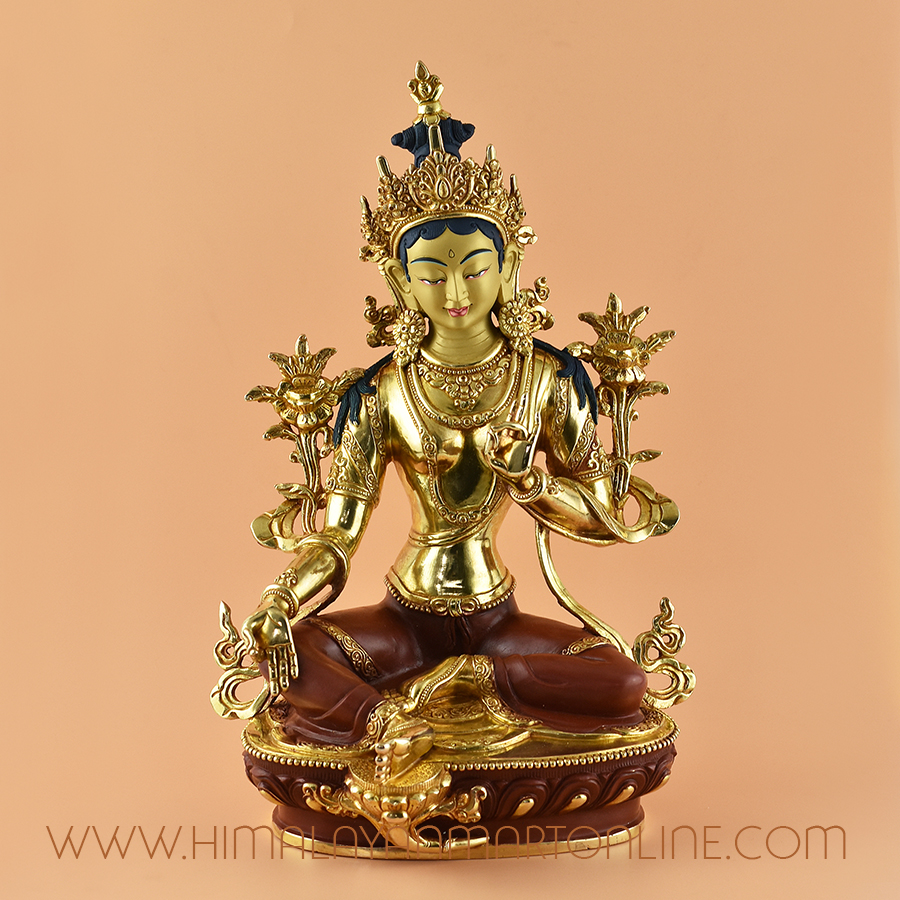
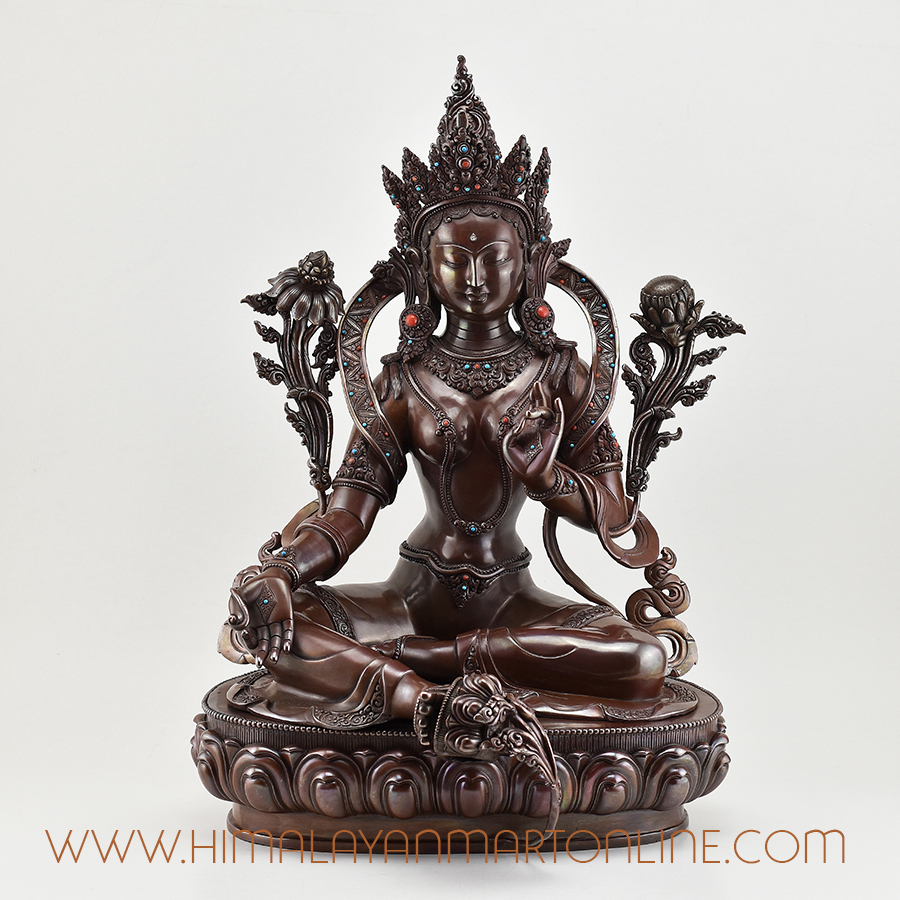
The term “Varada Mudra” is derived from the Sanskrit language, where “Varada” translates to “granting wishes” or “boon-bestowing,” and “Mudra” refers to a symbolic hand gesture. The Varada Mudra is formed by extending the open right hand downward, with the fingers pointing towards the ground. This gesture signifies the act of giving, granting, or offering blessings and protection to those who seek them.
Symbolism in Hinduism:
In Hindu iconography, the Varada Mudra is commonly associated with various deities, particularly those known for their compassion and benevolence. Lord Shiva, the auspicious Lord of Destruction, often depicts the Varada Mudra to convey his willingness to grant blessings and protect his devotees. Goddess Lakshmi, the embodiment of wealth and prosperity, is also frequently portrayed with the Varada Mudra, symbolizing her bestowal of abundance and well-being.

The Varada Mudra is a visual representation of the divine act of giving and the boundless generosity of the gods. It signifies the removal of obstacles, the granting of wishes, and the compassion that flows freely from the divine to the devotee.
Buddhist Representation:
In Buddhism, the Varada Mudra is similarly significant and is often associated with various Buddhas and Bodhisattvas. For example, the historical Buddha, Siddhartha Gautama, is depicted in the Varada Mudra to symbolize the fulfillment of wishes and the compassionate acceptance of all beings. Avalokiteshvara, the Bodhisattva of Compassion, also commonly adopts the Varada Mudra, embodying the readiness to grant spiritual and worldly gifts to those in need.
Cultural Context and Spiritual Implications:
The Varada Mudra transcends specific religious boundaries and resonates with a broader spiritual message. It emphasizes the virtues of generosity, compassion, and the act of giving without expecting anything in return. This mudra serves as a reminder to individuals on their spiritual journey to cultivate a selfless and open-hearted approach to life.
Practical Application in Daily Life:
While the Varada Mudra has deep spiritual roots, its principles can be applied in everyday life. Embracing a mindset of generosity and compassion towards others fosters a harmonious and supportive community. The act of giving, whether material or non-material, can create a positive ripple effect, contributing to the well-being of individuals and society as a whole.
Conclusion:
The Varada Mudra, with its downward-pointing hand symbolizing the bestowal of blessings and boons, holds a timeless and universal message. Whether seen in Hindu or Buddhist iconography, this gesture invites individuals to embody qualities of compassion, generosity, and the selfless act of giving. As we navigate our spiritual and daily lives, the Varada Mudra serves as a visual and symbolic guide, encouraging us to approach the world with an open hand and a heart ready to share the gifts of kindness and goodwill.
