Abhaya Mudra: The Gesture of Fearlessness

Introduction

Mudras, or symbolic hand gestures, play a crucial role in Hindu and Buddhist iconography, serving as spiritual symbols in art and practice. Among these, the Abhaya Mudra stands out as a gesture of protection, peace, and the dispelling of fear. Derived from the Sanskrit words “Abhaya” meaning “fearlessness” and “mudra” meaning “gesture” or “seal,” this hand gesture is rich with historical, cultural, and spiritual significance.

Historical Origins

The Abhaya Mudra has ancient origins, tracing back to the early teachings of Buddhism and Hinduism. This gesture is commonly associated with Gautama Buddha and is frequently depicted in statues and paintings of him. Legend has it that the Buddha used this gesture after attaining enlightenment, to calm a charging elephant sent by a rival, symbolizing the power of inner peace and fearlessness over external threats.

Symbolism and Meaning

The Abhaya Mudra is performed with the right hand raised to shoulder height, the arm bent, and the palm facing outward, fingers upright and joined together. The left hand often rests by the side or in the lap. This gesture embodies several layers of meaning:

  1. Protection: It signifies protection and reassurance, offering a sense of safety and security to those who see it.
  2. Fearlessness: It represents the dispelling of fear and the attainment of inner peace and courage.
  3. Divine Blessing: In religious contexts, it is seen as a blessing from the deity or enlightened being, providing spiritual comfort and guidance.
Abhaya Mudra - Amoghasiddhi Buddha

Cultural Significance

In Hindu and Buddhist traditions, the Abhaya Mudra is a prevalent motif in religious art and sculpture. It is often seen in depictions of deities and enlightened beings, serving as a universal symbol of divine protection and benevolence.

In Buddhism

In Buddhist iconography, the Abhaya Mudra is frequently associated with images of the Buddha. It is often depicted in statues and paintings where the Buddha is seen standing or sitting, offering reassurance and peace to his followers. This mudra symbolizes the Buddha’s role as a protector and a guide, emphasizing the importance of overcoming fear and achieving tranquility.

In Hinduism

In Hindu iconography, the Abhaya Mudra is commonly seen in representations of various deities, including Vishnu, Shiva, and Durga. These deities, shown with the mudra, convey their divine protection and blessings to their devotees. The gesture is a reminder of the power and benevolence of the gods, assuring followers of their safety and support.

Modern Interpretations and Uses

In contemporary times, the Abhaya Mudra continues to hold significant relevance. It is practiced in yoga and meditation as a means to cultivate a sense of peace and fearlessness. Practitioners use this mudra to connect with their inner strength, calm their minds, and dispel anxiety.

The gesture also appears in various modern art forms and spiritual practices, symbolizing universal values of courage, protection, and tranquility. It serves as a reminder of the enduring power of ancient wisdom to inspire and guide individuals in their daily lives.

Conclusion The Abhaya Mudra, with its profound historical roots and rich symbolic meanings, continues to be a powerful gesture of fearlessness and protection. Whether depicted in ancient statues or practiced in modern meditation, this gesture transcends time and culture, offering a universal message of peace and reassurance. In a world often fraught with uncertainty and fear, the Abhaya Mudra stands as a timeless reminder of the enduring power of inner strength and tranquility.
Gestures and Attributes of Black Dzambhala

Black Dzambhala, a prominent deity in Tibetan Buddhism associated with wealth and prosperity, is often depicted with specific gestures and attributes that carry symbolic meanings. These visual representations contribute to the rich iconography surrounding the deity, conveying messages about his qualities and functions. Here are some key gestures and attributes associated with Black Dzambhala:

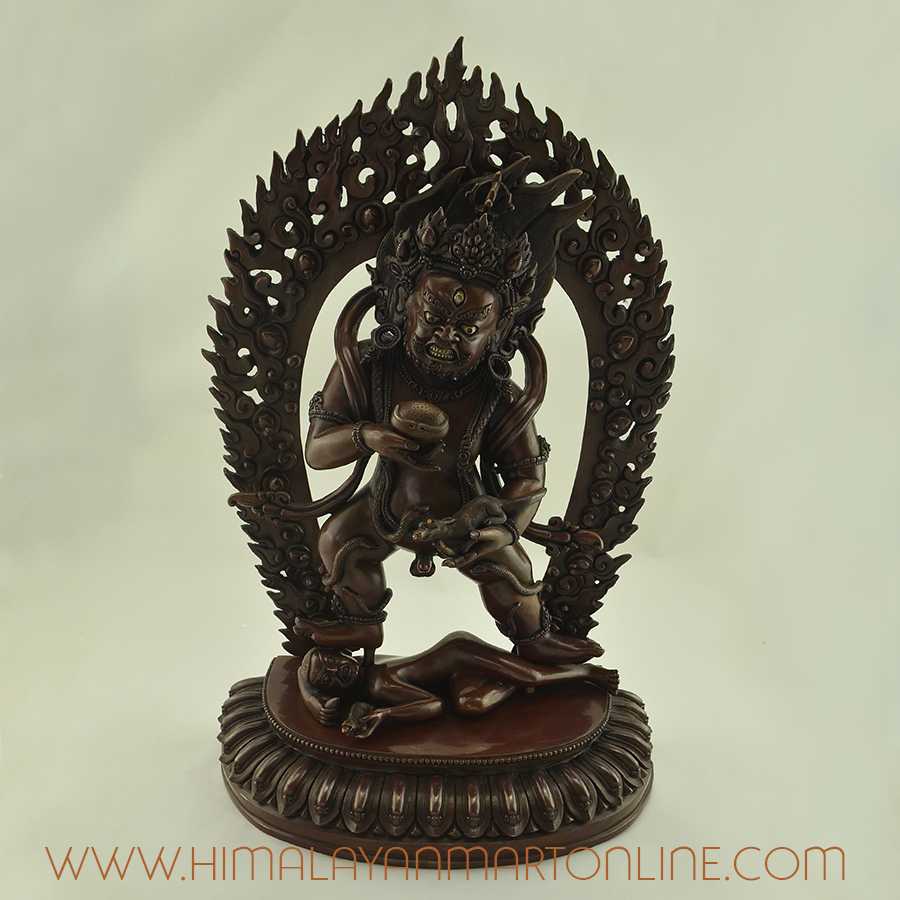
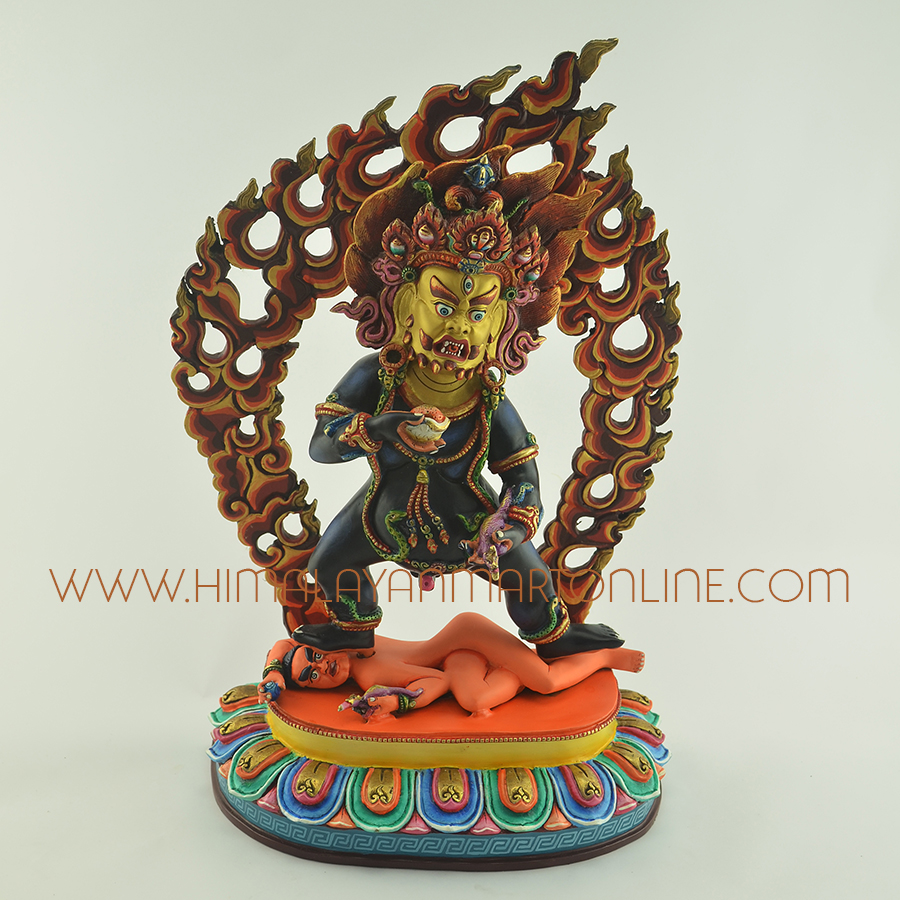
Black Dzambhala Statue

Fierce Countenance:

Black Dzambhala is commonly portrayed with a wrathful or fierce expression. This fierce countenance symbolizes his determination and power to overcome obstacles, particularly those related to poverty and financial difficulties. The intensity of his appearance signifies the strength needed to eliminate challenges and bring about positive transformations.

Mongoose and Jewel:

One of the most distinctive attributes of Black Dzambhala is the mongoose spouting jewels. In his right hand, he holds a mongoose, and in some depictions, the mongoose emits a continuous stream of jewels from its mouth. This symbolizes Black Dzambhala’s ability to transform adversity and scarcity into abundance and prosperity. The mongoose is considered a powerful creature in this context, capable of converting negative circumstances into positive outcomes.

Jewel-Spouting Lemon or Citron:

In his left hand, Black Dzambhala often holds a citron or jewel-spouting lemon. This fruit represents the wealth and treasures that he bestows upon his devotees. The imagery emphasizes the abundance of spiritual and material wealth that Black Dzambhala offers to those who seek his blessings.

Dzambhala’s Mudra (Hand Gesture):

The hand gesture, or mudra, of Black Dzambhala is significant. His right hand, holding the mongoose, is often raised in a gesture known as the Varada Mudra. This mudra symbolizes the granting of boons and blessings. It signifies Black Dzambhala’s willingness to fulfill the wishes and aspirations of his followers, particularly in the realm of wealth and prosperity.

Black Dzambhala Statue

Seated Posture:

Black Dzambhala is typically depicted in a seated posture on a lotus throne. This posture symbolizes stability and the grounded nature of his blessings. The lotus, a sacred symbol in Buddhism, represents purity, enlightenment, and the ability to rise above worldly challenges.

 Ornate Crown and Jeweled Attire:

Black Dzambhala is often adorned with an elaborate crown and wears jeweled ornaments. These symbols of regality emphasize his divine nature and reinforce the idea of abundance and opulence. The crown represents his sovereignty over the wealth and treasures of the world.

Richly Decorated Treasure Vase:

In some depictions, Black Dzambhala may be shown holding or standing beside a treasure vase. This vase, known as the Wealth Vase, is filled with various precious items, symbolizing the abundance of wealth, both material and spiritual, that Black Dzambhala bestows upon his devotees. Understanding the gestures and attributes of Black Dzambhala allows followers to connect with the symbolic meanings embedded in the iconography, fostering a deeper appreciation for the deity’s role in the pursuit of prosperity and well-being.

Gestures and Attributes of Vajrapani

Vajrapani, as a prominent figure in Buddhism, is often depicted with specific gestures and attributes that symbolize his qualities and role as a Bodhisattva. Here are some of the common gestures and attributes associated with Vajrapani:

Vajrapani Statue
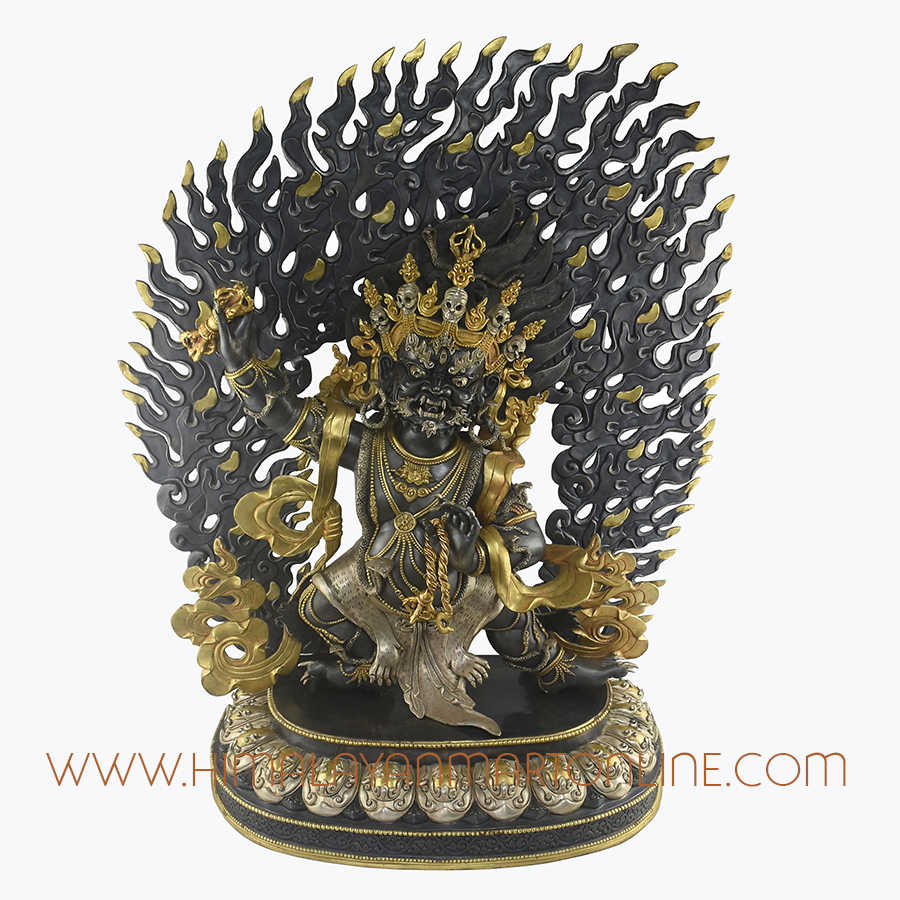
Vajrapani Statue
  1. Vajra Mudra (Gesture): The Vajra Mudra, also known as the Vajrahumkara Mudra, is a hand gesture commonly associated with Vajrapani. In this mudra, the right hand is raised with the index finger pointing upward, while the thumb and the other fingers are clenched into a fist. This gesture symbolizes the union of method (skillful means) and wisdom, emphasizing the dual nature of the Vajra.
  2. Vajra (Thunderbolt): The most prominent attribute of Vajrapani is the Vajra, a diamond or thunderbolt scepter that he holds in one of his hands. The Vajra represents indestructibility, diamond-like clarity, and the unshakable nature of enlightened wisdom. It is a symbol of the skillful means necessary to overcome obstacles on the path to enlightenment.
  3. Ghanta (Bell): In some depictions, Vajrapani may be shown holding a Ghanta, or ritual bell, in addition to the Vajra. The bell represents the wisdom aspect, and its sound is believed to dispel ignorance and awaken beings from the sleep of delusion.
  4. Lasso or Noose: Vajrapani is sometimes depicted holding a lasso or noose in one hand. This attribute symbolizes the skillful means to capture and guide beings towards the path of liberation. The noose is used to bind and redirect wayward minds, helping them overcome obstacles.
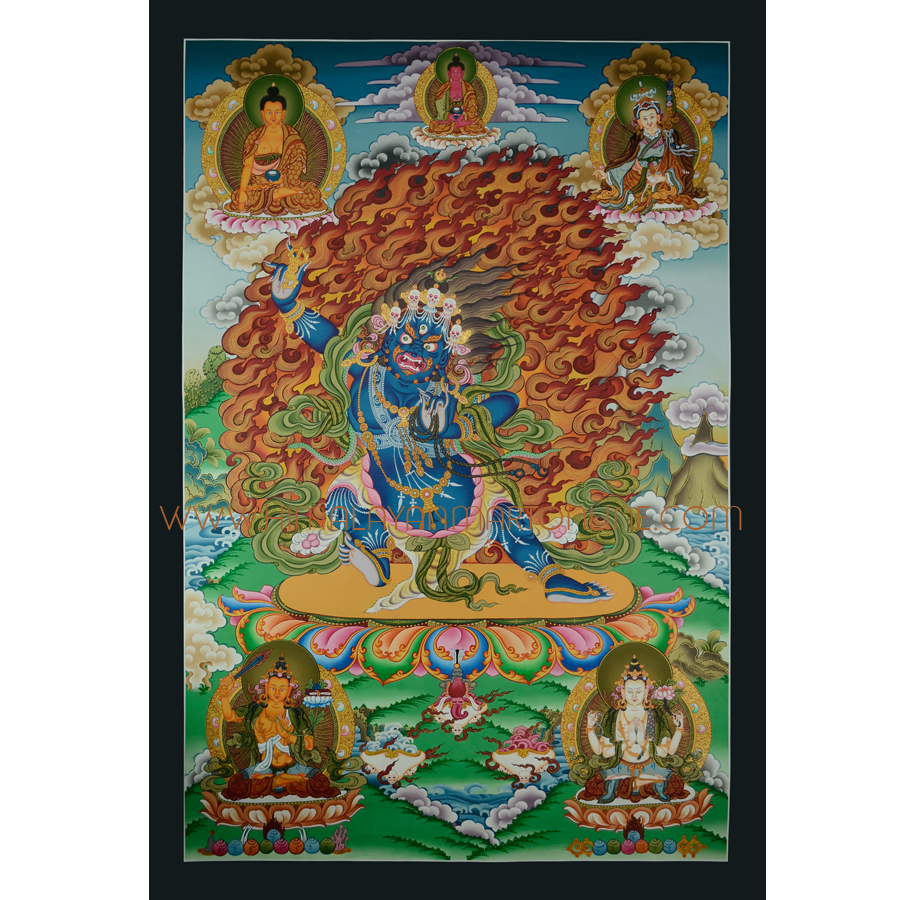
  5. Fierce Appearance: Vajrapani is often depicted with a wrathful and fierce expression. This fierceness signifies the intensity and determination required to subdue the forces of ignorance and to protect practitioners on their spiritual journey.
  6. Flaming Halo or Aura: Vajrapani may be surrounded by flames or have a flaming halo, symbolizing the transformative power of his presence. The flames represent the purifying energy that burns away impurities and delusions, facilitating the process of spiritual transformation.
  7. Dynamic Posture: Vajrapani is typically depicted in a dynamic and powerful posture, reflecting his active engagement with the challenges of the spiritual path. This posture signifies readiness to assist and guide beings toward enlightenment.
Vajrapani Thangka Scroll Painting

These gestures and attributes collectively convey the dynamic and forceful nature of Vajrapani’s compassion and wisdom, as well as his commitment to guiding sentient beings on the path to liberation. The symbolism associated with Vajrapani serves as a powerful inspiration for practitioners seeking strength, protection, and transformative guidance on their spiritual journey.

Dhyana Mudra: The Mudra of Meditation

Dhyana Mudra, commonly known as the Meditation Mudra, is a symbolic and revered hand gesture with deep roots in various spiritual and meditative traditions. This mudra, characterized by the specific positioning of the hands, holds significant meaning and is widely utilized in practices aimed at cultivating focus, tranquility, and inner contemplation.

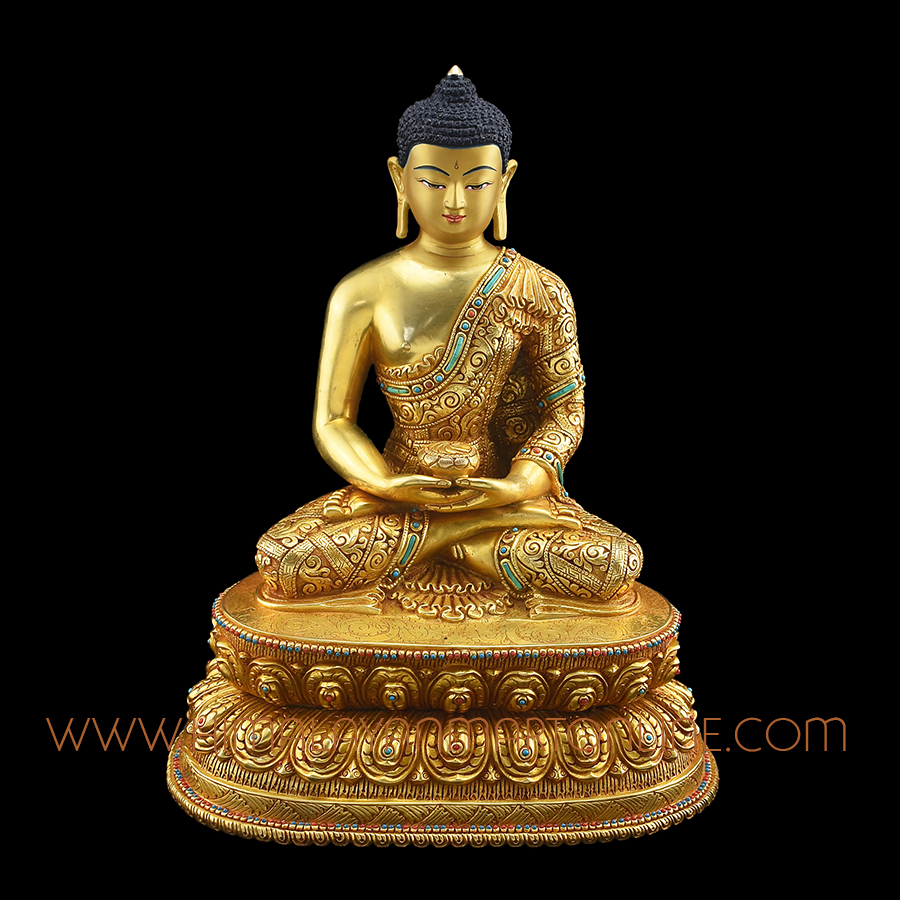
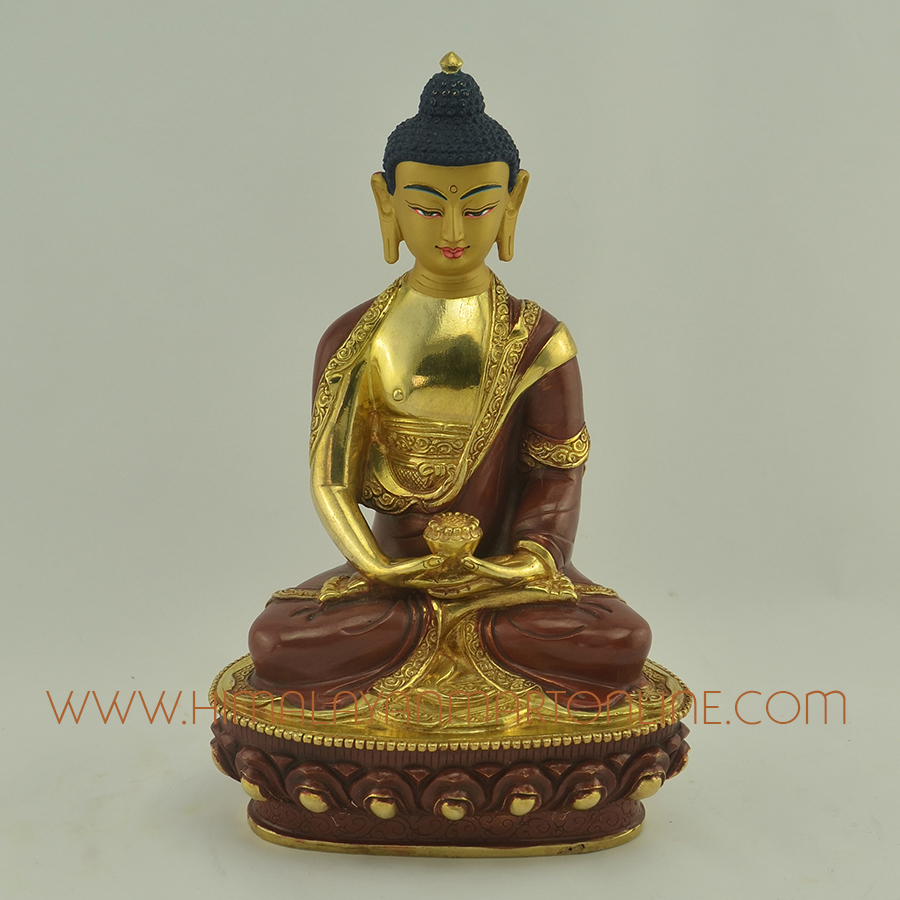
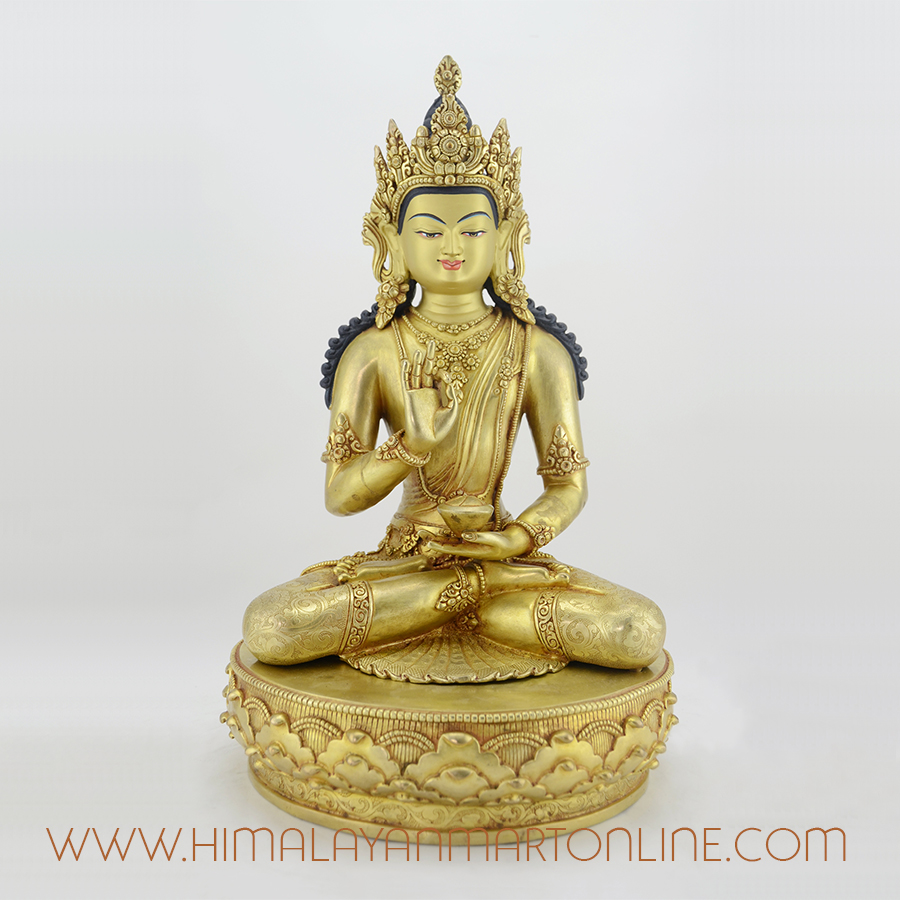
Sangye Opame Amitabha Buddha Copper Statue

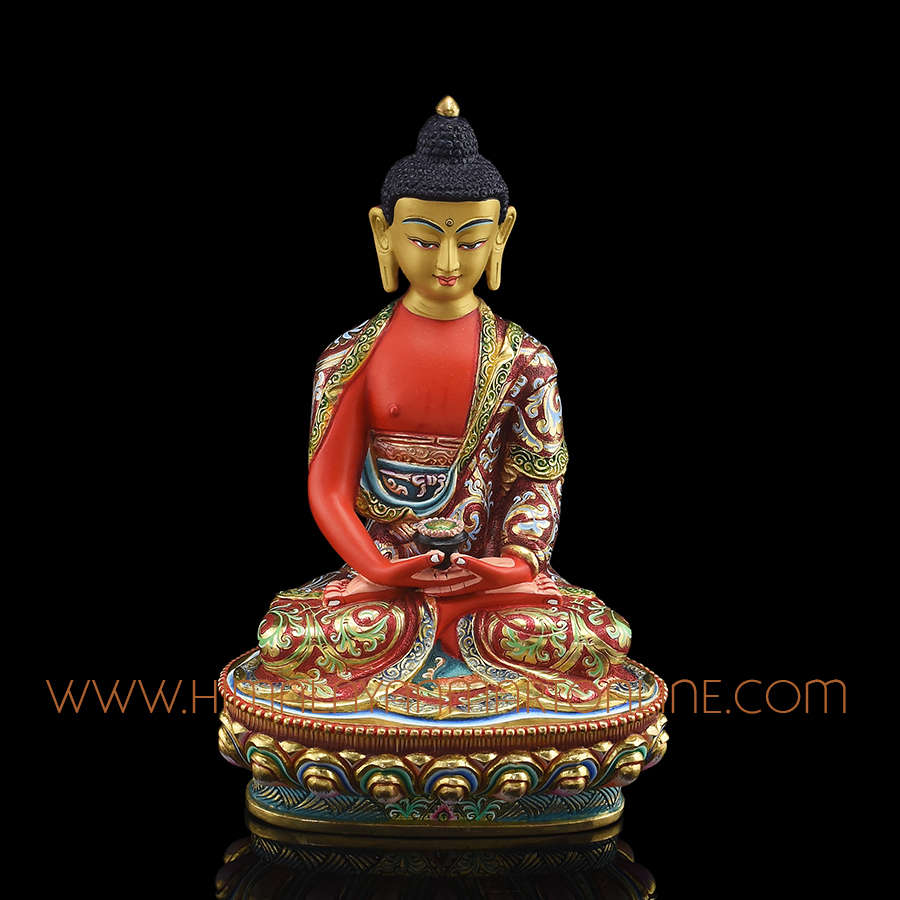
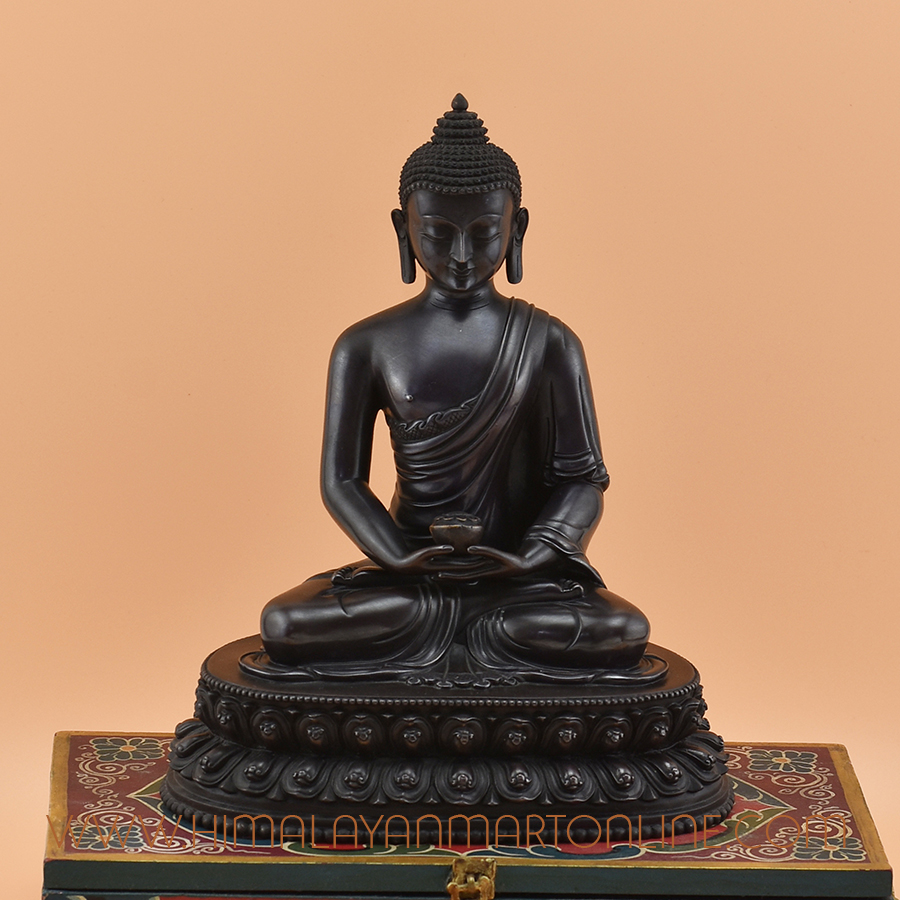
The Dhyana Mudra is formed by placing the hands on the lap, with the right hand resting gently on top of the left, palms facing upward. The thumbs lightly touch each other, forming a subtle circle. This harmonious hand gesture is often employed during meditation sessions to enhance concentration and create a conducive environment for introspection.

Painted Amitabha Buddha Statue

One of the key aspects of the Dhyana Mudra is its association with meditation and the pursuit of mindfulness. As practitioners assume this mudra, it serves as a physical and symbolic guide to turn one’s attention inward, fostering a state of calmness and mental clarity. The closed circle formed by the touching thumbs represents the unbroken flow of energy and the interconnected nature of all things.

Buddha Amitabha Statue

The placement of the hands in the Dhyana Mudra is rich with symbolism. The right hand, symbolizing wisdom, is gently laid over the left hand, representing compassion. This dualistic representation signifies the harmonious integration of these qualities within the practitioner. It suggests that true meditation encompasses not only a deep understanding but also a compassionate and empathetic approach to oneself and others.

Dhyana Mudra

In various spiritual traditions, statues and depictions of revered figures, including Buddhas and bodhisattvas, often feature the Dhyana Mudra. This emphasizes the importance of meditation as a transformative practice on the path to enlightenment. The mudra serves as a visual reminder of the balance between wisdom and compassion, encouraging practitioners to cultivate both qualities simultaneously. The Dhyana Mudra’s universal appeal lies in its simplicity and profound impact on the meditative experience. Whether practiced in Buddhist, Hindu, or other contemplative traditions, this mudra remains a timeless symbol of the inner journey—one that leads towards a tranquil mind, compassionate heart, and the realization of interconnected consciousness. In essence, the Dhyana Mudra stands as a silent guide, inviting individuals to embark on a journey of self-discovery and inner peace through the transformative practice of meditation.

Varada Mudra: The Gesture of Compassion and Generosity

Varada Mudra an Introduction:

In the realm of traditional Tibetan and Indian art and spiritual iconography, the Varada Mudra stands out as a symbolic and revered hand gesture. This ancient gesture, commonly seen in depictions of various deities and enlightened beings, holds deep spiritual significance, embodying qualities of compassion, generosity, and the granting of boons. Let’s explore the origins, cultural contexts, and the profound symbolism behind the Varada Mudra.

Origins and Meaning:

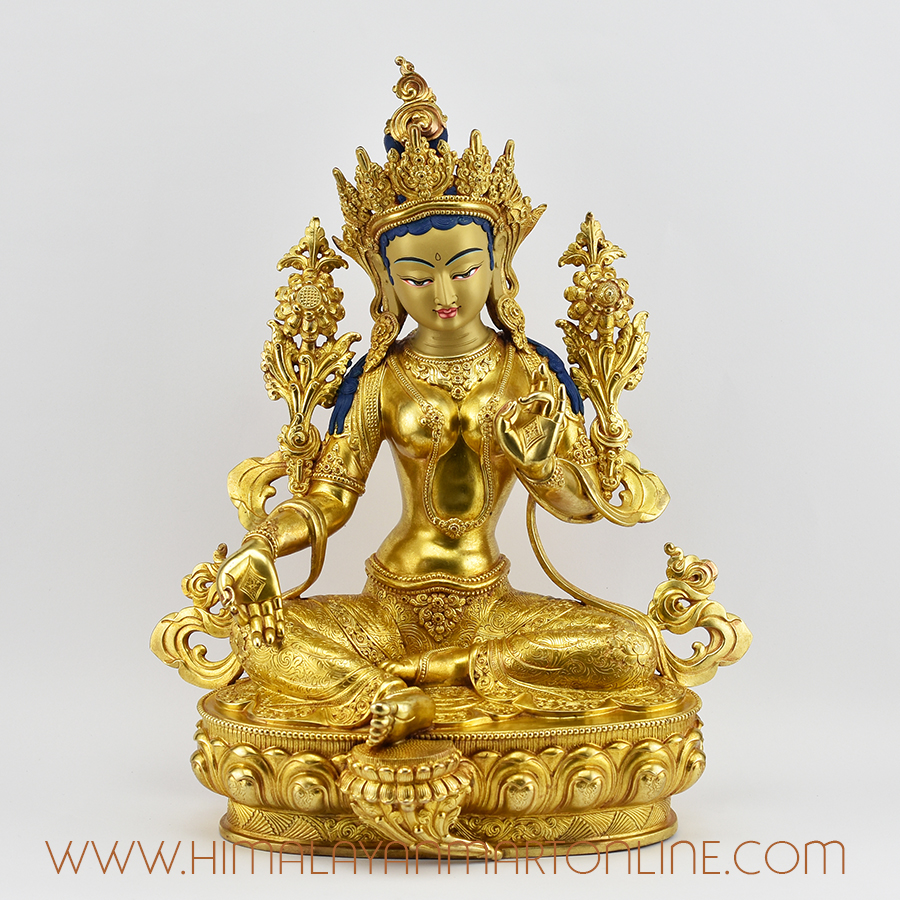
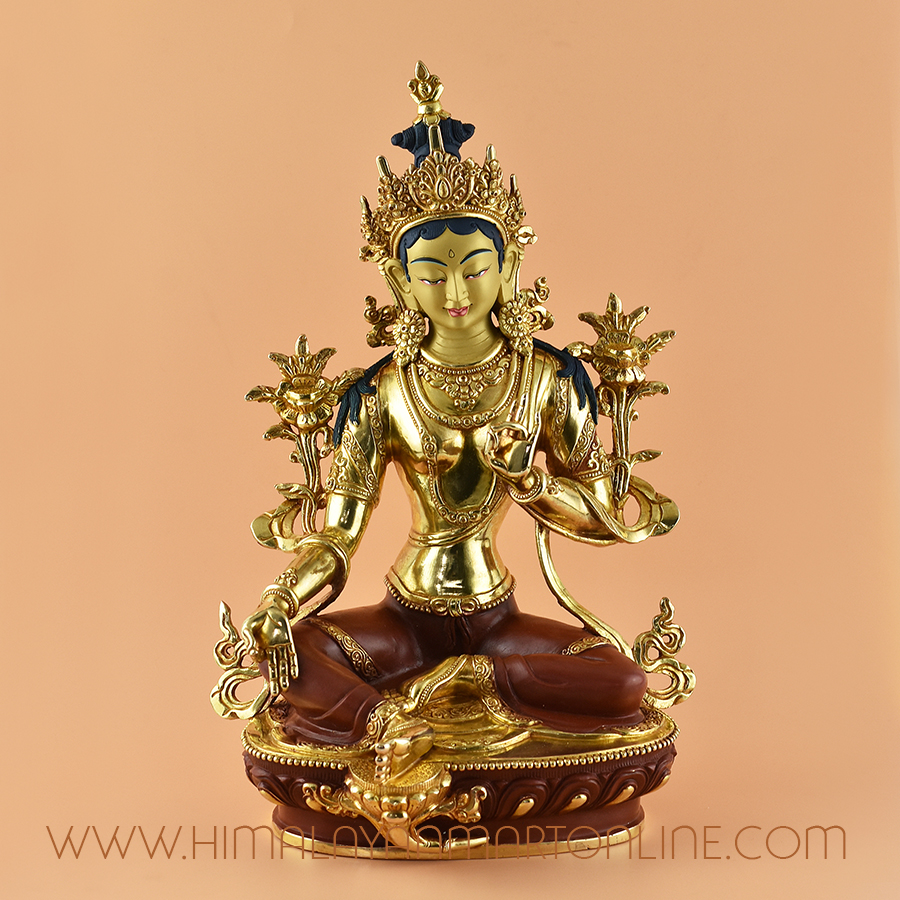
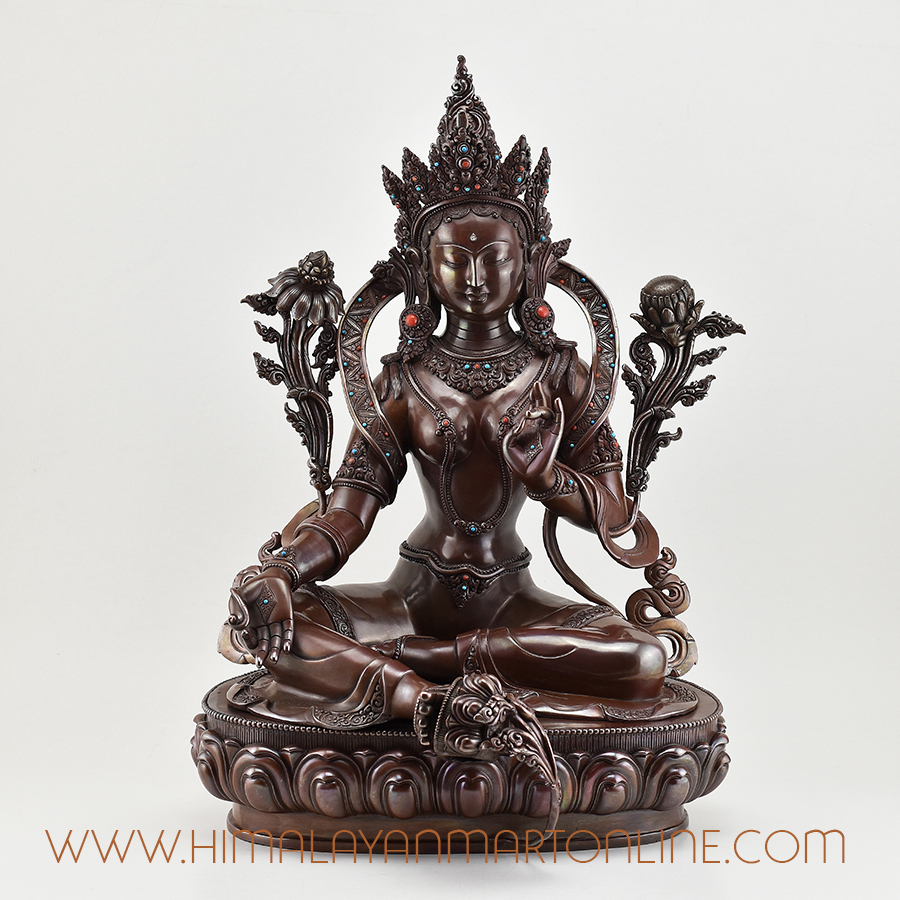
The term “Varada Mudra” is derived from the Sanskrit language, where “Varada” translates to “granting wishes” or “boon-bestowing,” and “Mudra” refers to a symbolic hand gesture. The Varada Mudra is formed by extending the open right hand downward, with the fingers pointing towards the ground. This gesture signifies the act of giving, granting, or offering blessings and protection to those who seek them.

Tibetan Green Tara Statue

Symbolism in Hinduism:

In Hindu iconography, the Varada Mudra is commonly associated with various deities, particularly those known for their compassion and benevolence. Lord Shiva, the auspicious Lord of Destruction, often depicts the Varada Mudra to convey his willingness to grant blessings and protect his devotees. Goddess Lakshmi, the embodiment of wealth and prosperity, is also frequently portrayed with the Varada Mudra, symbolizing her bestowal of abundance and well-being.

The Varada Mudra is a visual representation of the divine act of giving and the boundless generosity of the gods. It signifies the removal of obstacles, the granting of wishes, and the compassion that flows freely from the divine to the devotee.

Buddhist Representation:

In Buddhism, the Varada Mudra is similarly significant and is often associated with various Buddhas and Bodhisattvas. For example, the historical Buddha, Siddhartha Gautama, is depicted in the Varada Mudra to symbolize the fulfillment of wishes and the compassionate acceptance of all beings. Avalokiteshvara, the Bodhisattva of Compassion, also commonly adopts the Varada Mudra, embodying the readiness to grant spiritual and worldly gifts to those in need.

Varada Mudra

Cultural Context and Spiritual Implications:

The Varada Mudra transcends specific religious boundaries and resonates with a broader spiritual message. It emphasizes the virtues of generosity, compassion, and the act of giving without expecting anything in return. This mudra serves as a reminder to individuals on their spiritual journey to cultivate a selfless and open-hearted approach to life.

Oxidized Green Tara Statue

Practical Application in Daily Life:

While the Varada Mudra has deep spiritual roots, its principles can be applied in everyday life. Embracing a mindset of generosity and compassion towards others fosters a harmonious and supportive community. The act of giving, whether material or non-material, can create a positive ripple effect, contributing to the well-being of individuals and society as a whole.

Conclusion:

The Varada Mudra, with its downward-pointing hand symbolizing the bestowal of blessings and boons, holds a timeless and universal message. Whether seen in Hindu or Buddhist iconography, this gesture invites individuals to embody qualities of compassion, generosity, and the selfless act of giving. As we navigate our spiritual and daily lives, the Varada Mudra serves as a visual and symbolic guide, encouraging us to approach the world with an open hand and a heart ready to share the gifts of kindness and goodwill.

Subscribe To Our Newsletter