
Dhyana Mudra, commonly known as the Meditation Mudra, is a symbolic and revered hand gesture with deep roots in various spiritual and meditative traditions. This mudra, characterized by the specific positioning of the hands, holds significant meaning and is widely utilized in practices aimed at cultivating focus, tranquility, and inner contemplation.
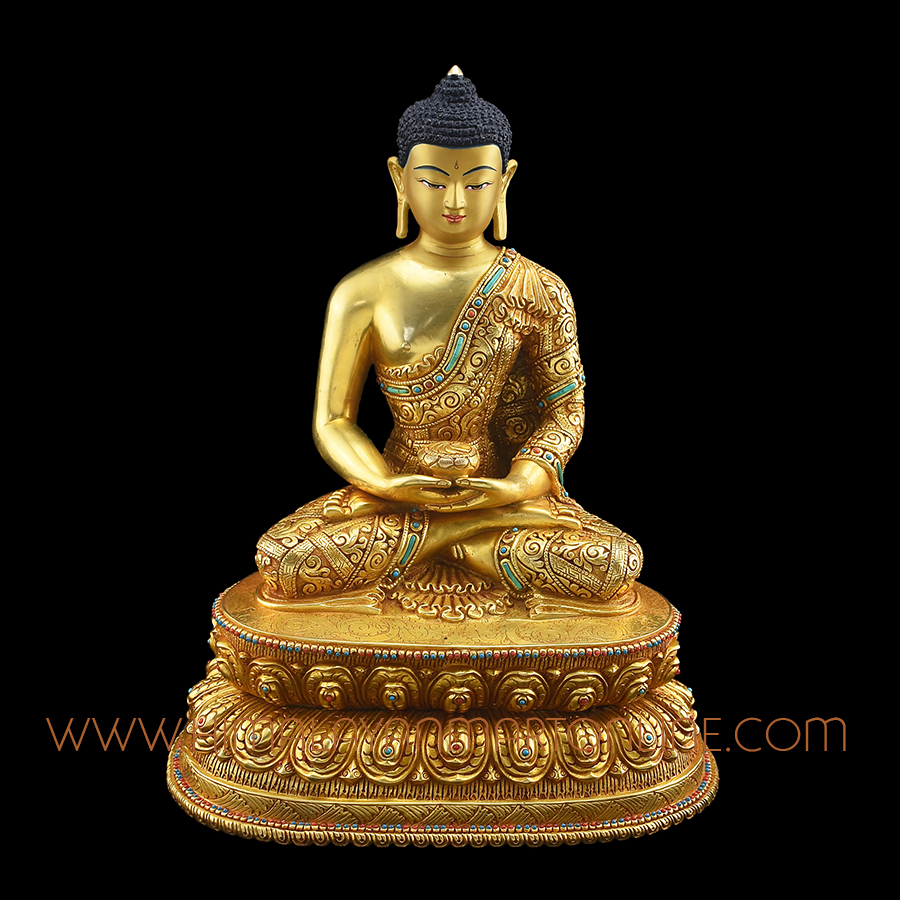
The Dhyana Mudra is formed by placing the hands on the lap, with the right hand resting gently on top of the left, palms facing upward. The thumbs lightly touch each other, forming a subtle circle. This harmonious hand gesture is often employed during meditation sessions to enhance concentration and create a conducive environment for introspection.
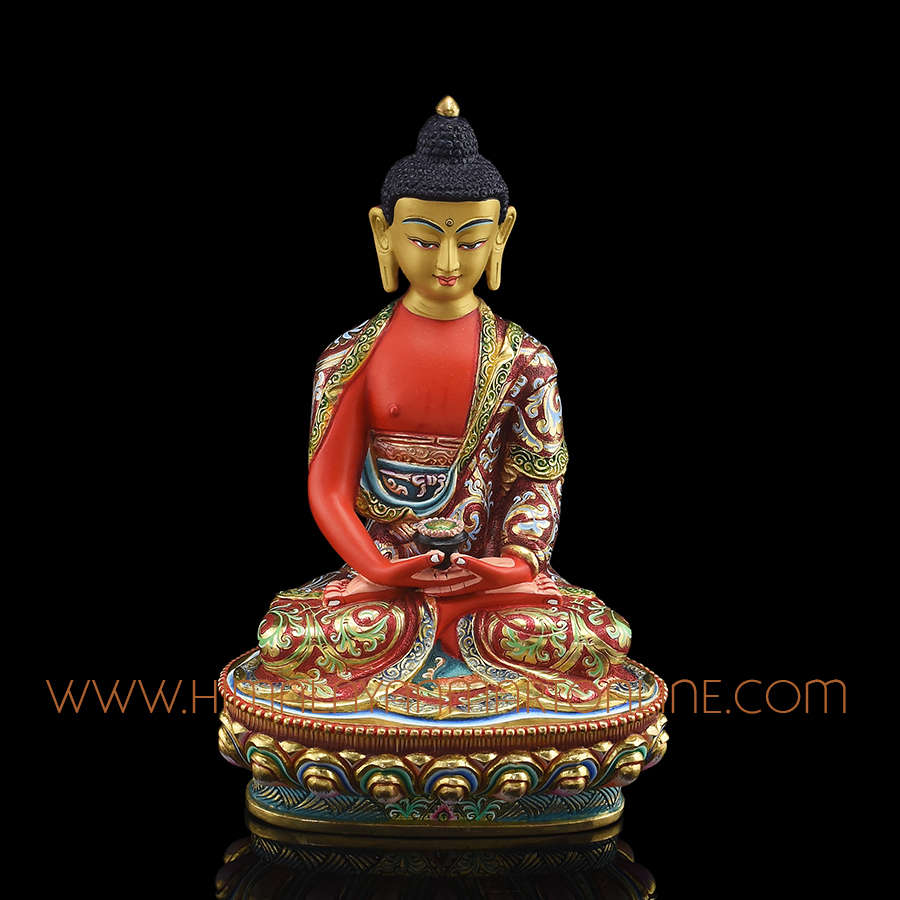
One of the key aspects of the Dhyana Mudra is its association with meditation and the pursuit of mindfulness. As practitioners assume this mudra, it serves as a physical and symbolic guide to turn one’s attention inward, fostering a state of calmness and mental clarity. The closed circle formed by the touching thumbs represents the unbroken flow of energy and the interconnected nature of all things.
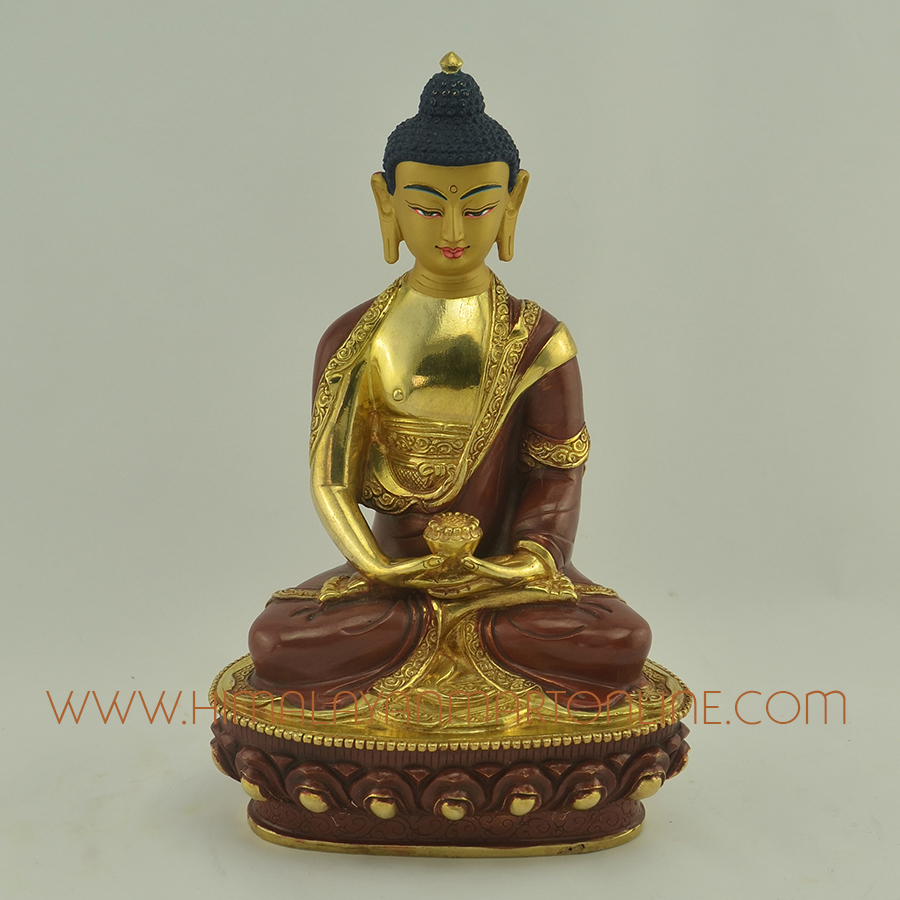
The placement of the hands in the Dhyana Mudra is rich with symbolism. The right hand, symbolizing wisdom, is gently laid over the left hand, representing compassion. This dualistic representation signifies the harmonious integration of these qualities within the practitioner. It suggests that true meditation encompasses not only a deep understanding but also a compassionate and empathetic approach to oneself and others.
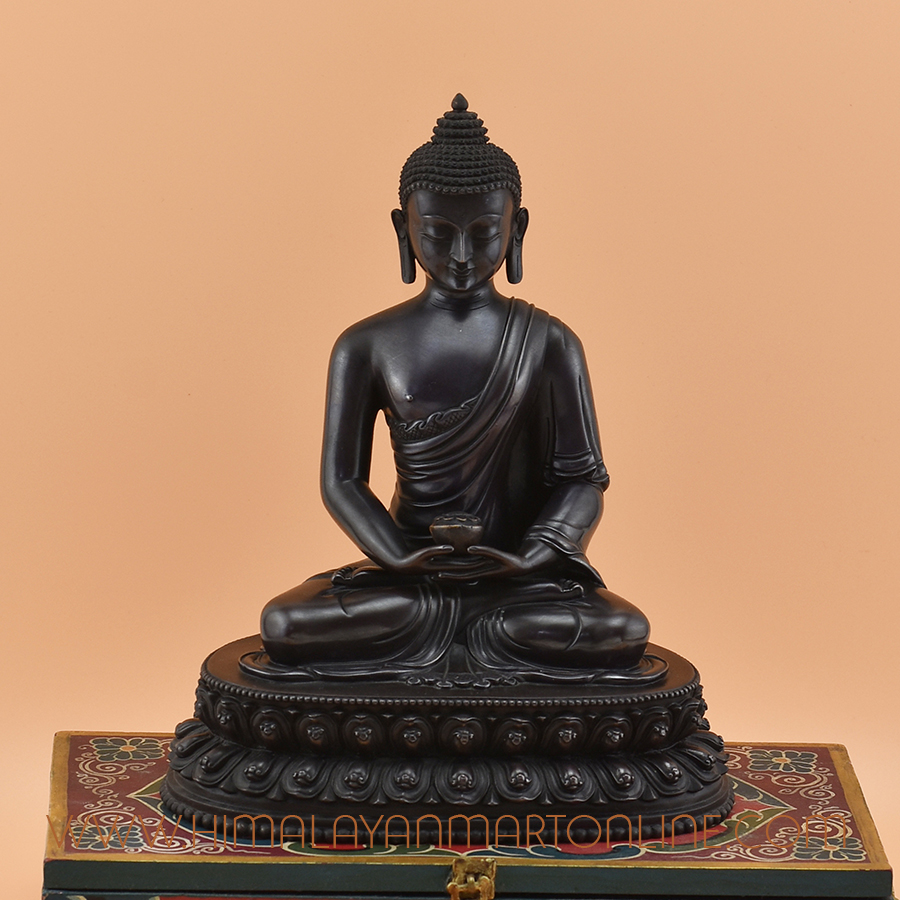
In various spiritual traditions, statues and depictions of revered figures, including Buddhas and bodhisattvas, often feature the Dhyana Mudra. This emphasizes the importance of meditation as a transformative practice on the path to enlightenment. The mudra serves as a visual reminder of the balance between wisdom and compassion, encouraging practitioners to cultivate both qualities simultaneously. The Dhyana Mudra’s universal appeal lies in its simplicity and profound impact on the meditative experience. Whether practiced in Buddhist, Hindu, or other contemplative traditions, this mudra remains a timeless symbol of the inner journey—one that leads towards a tranquil mind, compassionate heart, and the realization of interconnected consciousness. In essence, the Dhyana Mudra stands as a silent guide, inviting individuals to embark on a journey of self-discovery and inner peace through the transformative practice of meditation.
