
The “Blessing of Buddha Statue” refers to a common practice in Buddhism where devotees offer prayers and pay their respects to a Buddha statue or an image of the Buddha. The act of offering blessings to the statue is seen as a means of expressing gratitude, seeking protection, and accumulating positive karma. Blessing of Buddha Statues varies across different Buddhist traditions and cultures, but the essence of the blessing remains consistent – to imbue the statue with sacred qualities and to create a connection between the devotee and the enlightened beings the statue represents.
In Buddhism, the Buddha is not considered a deity to be worshiped, but rather a teacher who attained enlightenment and taught the path to liberation from suffering. Buddha statues serve as a reminder of the Buddha’s teachings and the ideal of enlightenment.
When a Buddhist offers blessings to a Buddha statue, it is an act of devotion and reverence. The practitioner may bow, make offerings such as flowers, candles, or incense, recite prayers or mantras, or simply sit quietly in meditation as a way to connect with the Buddha’s wisdom and compassion.
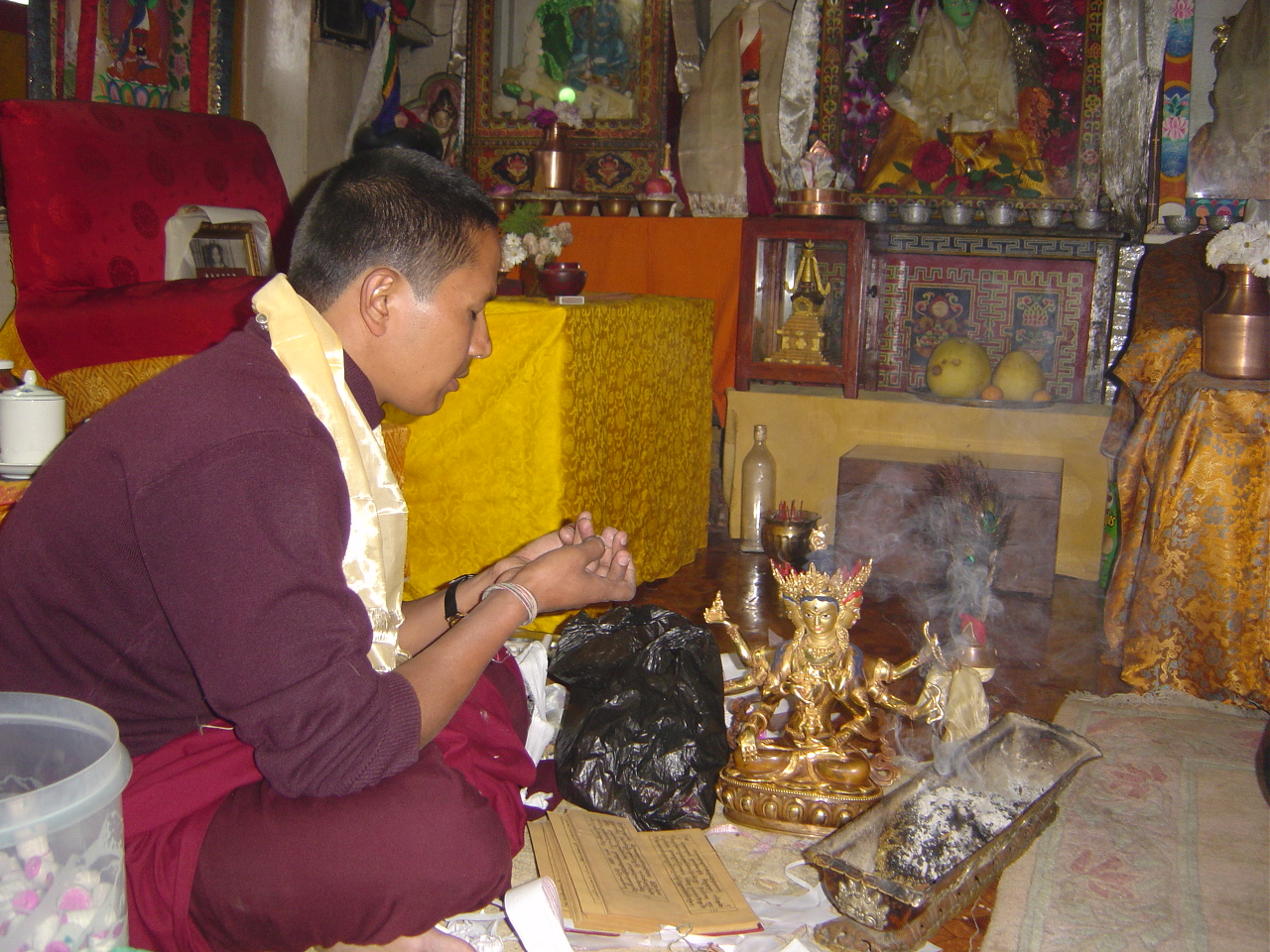
The act of offering blessings is not about seeking blessings from the Buddha himself but about cultivating positive qualities within oneself and fostering a sense of peace and harmony in the mind. It is also believed that such acts of devotion and mindfulness can help the practitioner progress on the path towards enlightenment.
Different Buddhist traditions and cultures may have variations in how they perform the “Blessing of Buddha Statues,” but the underlying intention remains the same – to honor the Buddha’s teachings and find inspiration in the qualities he embodies.
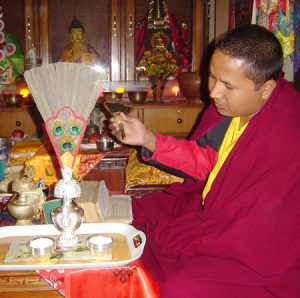 We are also pleased to offer consecration for ritual items upon request. In the Buddhist tradition, consecration is considered essential for any sacred implement used for meditation or devotional practice. A qualified Lama from our Buddhist monastery in the Kathmandu Valley will utter mantras while sprinkling holy water, rice, and purifying herbs in the traditional consecration ceremony.
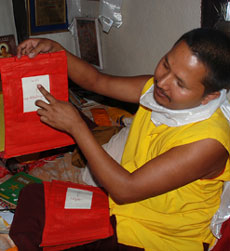 Ritual consecration is also available for all of our thangkas upon request. In the Buddhist tradition, consecration serves to “awaken” the thangka, and is considered essential for any sacred image used for meditation or devotional practice. Your painting will be inscribed with holy mantras and consecrated by a qualified Lama from our Buddhist monastery in the Kathmandu Valley.
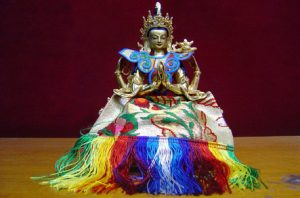 We also offer traditional dress clothing for statues upon request. After consecration, it is a gesture of honor and respect to dress your statue well before placing it on the altar or shrine. Our statue clothing is hand-made from beautiful Tibetan silk. Again, we do not profit from this service, and request only a small fee to cover the cost of the clothing. The fee will vary according to the size and shape of the statue, and generally follows the pricing given in the table below.