
In the Kathmandu Valley of Nepal, amidst the bustling streets and ancient temples, a remarkable tradition unfolds every year signifying the harmonious blend of spirituality and culture that defines the region. At the heart of this tradition stands Rato Machhindranath, a deity revered as the Living Goddess of Rain. In this article, we delve into the rich history, cultural significance, and enduring relevance of Rato Machhindranath.
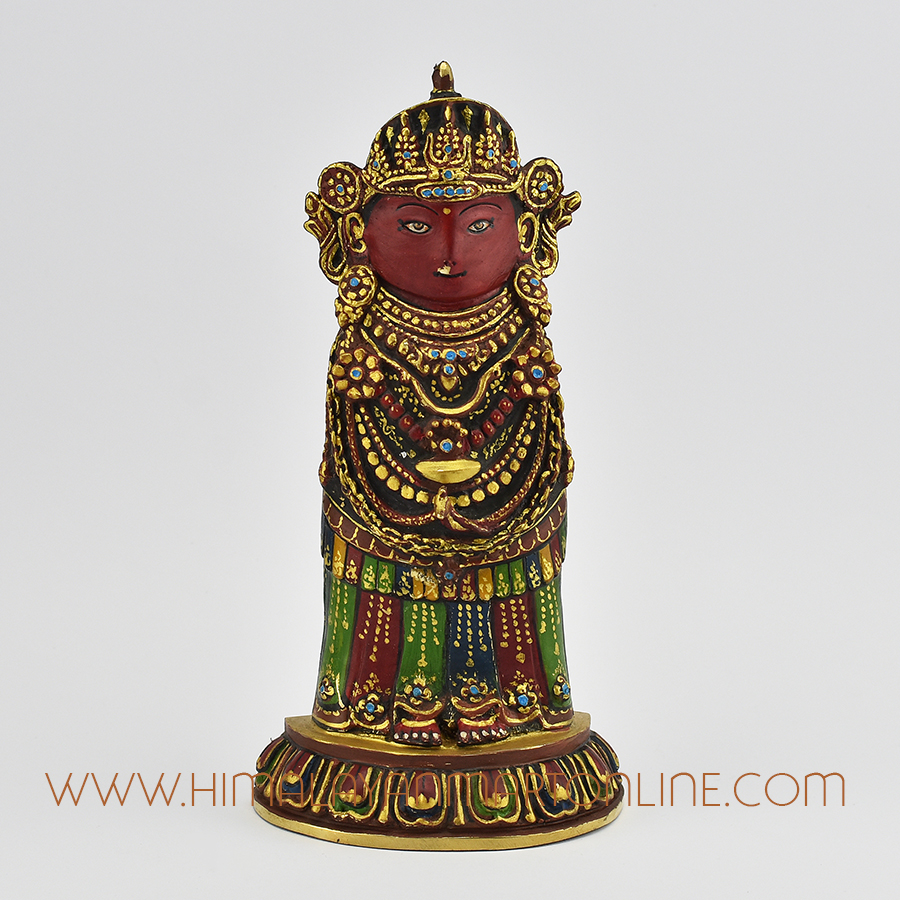
The Origins of Rato Machhindranath
Rato Machhindranath is a deity associated with the Newar community of the Kathmandu Valley, known for its distinct culture and religious practices. The name “Machhindranath” is derived from the Sanskrit words “Matsya” (fish) and “Indra” (king), referring to a legendary fish that King Gunakamadeva caught while performing a religious penance. This divine event is believed to have brought rain to the parched land, and Machhindranath was subsequently venerated as the deity responsible for ensuring rainfall and agricultural prosperity.
The Chariot Festival: A Spectacle of Devotion
The most iconic and grand celebration of Rato Machhindranath’s presence is the Rato Machhindranath Jatra, a month-long chariot festival that takes place annually. This festival typically occurs in the spring, usually April or May, coinciding with the onset of the monsoon season. The main attraction of the festival is the enormous wooden chariot of Rato Machhindranath, which is pulled through the narrow streets of Kathmandu by hundreds of devotees.
The chariot, adorned with intricate woodwork and vibrant decorations, symbolizes the deity’s journey to bring rain to the valley. The festival provides an opportunity for people from all walks of life to come together, fostering a sense of belonging and unity. It also serves as a platform for showcasing traditional music, dance, and art forms, preserving the cultural heritage of the Kathmandu Valley. Rato Machhindranath, the Living Goddess of Rain, stands as a testament to the profound relationship between spirituality, culture, and community in Nepal’s Kathmandu Valley. The annual chariot festival, with grandeur and devotion, encapsulates the essence of this revered deity and the enduring traditions of the Newar people. As Rato Machhindranath’s chariot traverses the streets, it symbolizes not only the hope for rain but also the unity and cultural richness of the region – a living testament to Nepal’s vibrant spiritual and cultural heritage.
