

Vajrasattva / Dorjesempa – The Buddha of Purification
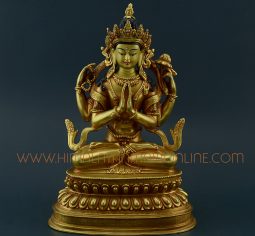
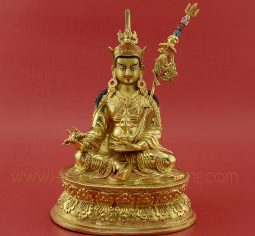
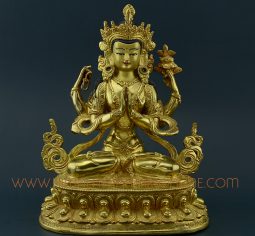
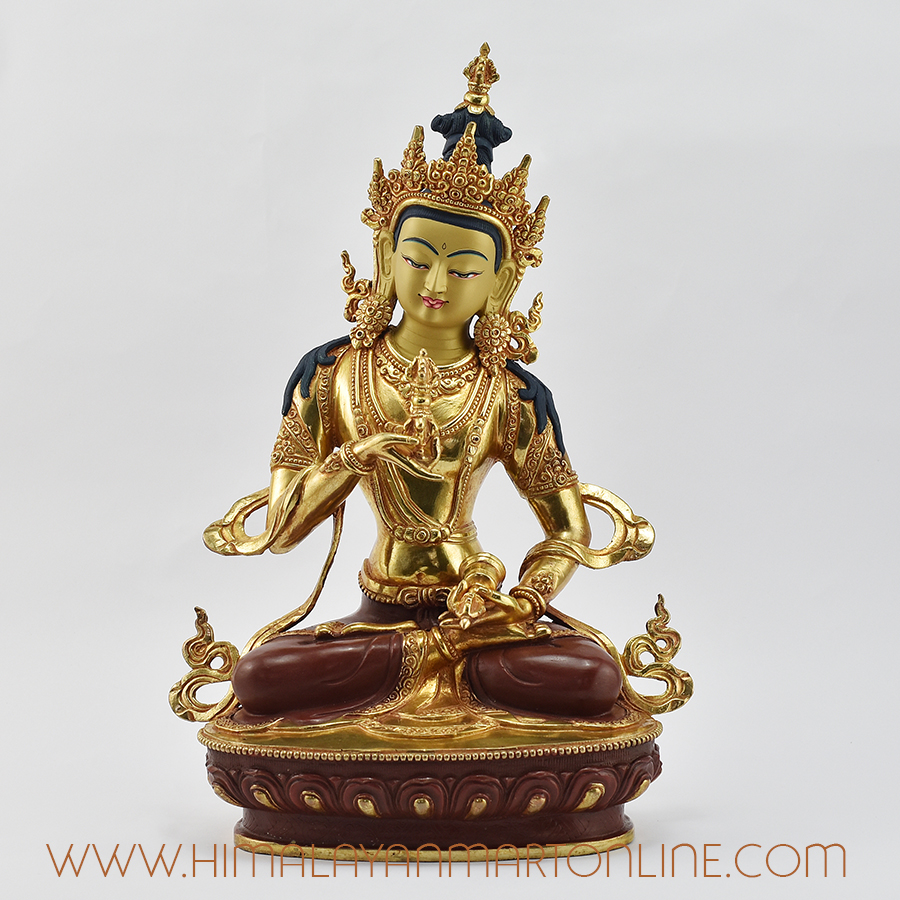
Vajrasattva Dorjesempa Copper Statue: Vajrasattva / Dorjesempa, the embodiment of unconditional kindness, is always portrayed with a gentle face and a luminescent countenance. His practices are all related to confession and purification, and he is the supreme remover of obstacles for Tibetan Vajrayana Buddhists. It is said that of all the countless methods to purify obscurations and negative karma, the practices of Bajrasattva are the best. Through meditation and recitation related to Vajrasattva / Dorjesempa, students can purify their minds in preparation for more advanced Tantric practices. It is believed that all harmful acts can be purified and all obscurations removed through sincere dedication to Vajrasattva / Dorjesempa and his practices.
Gestures and Attributes
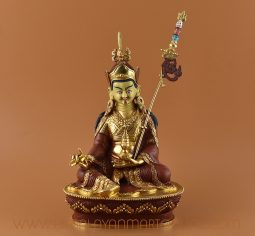
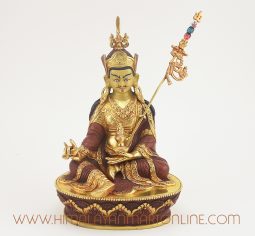
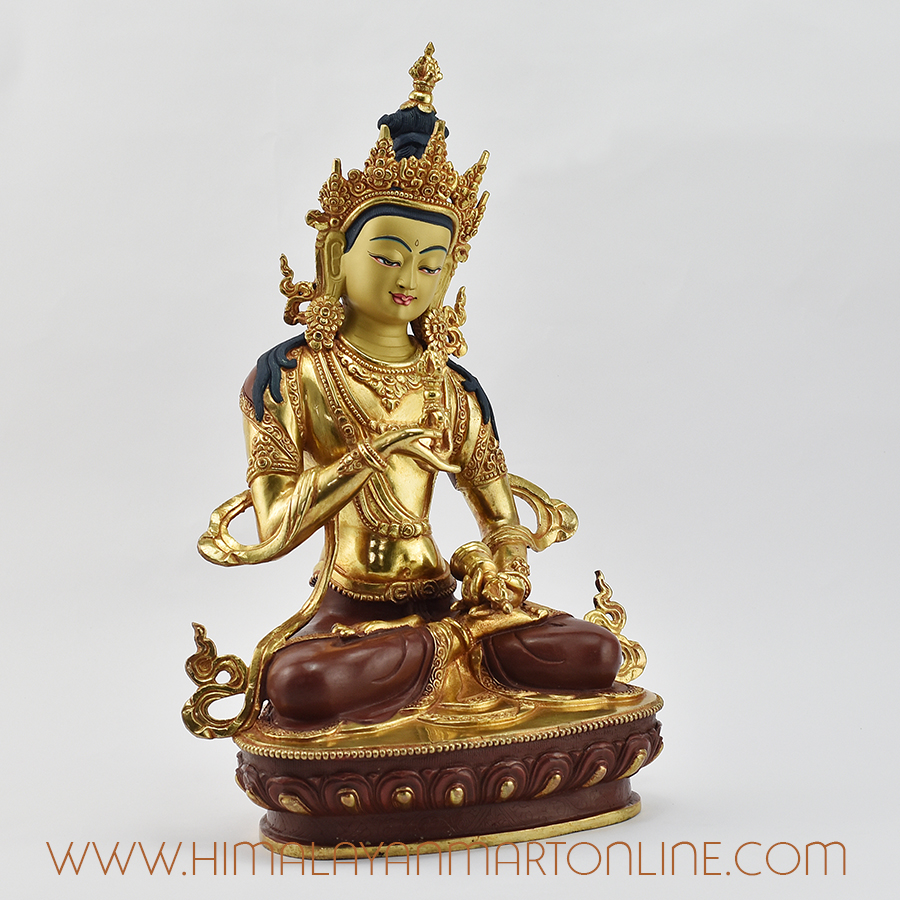
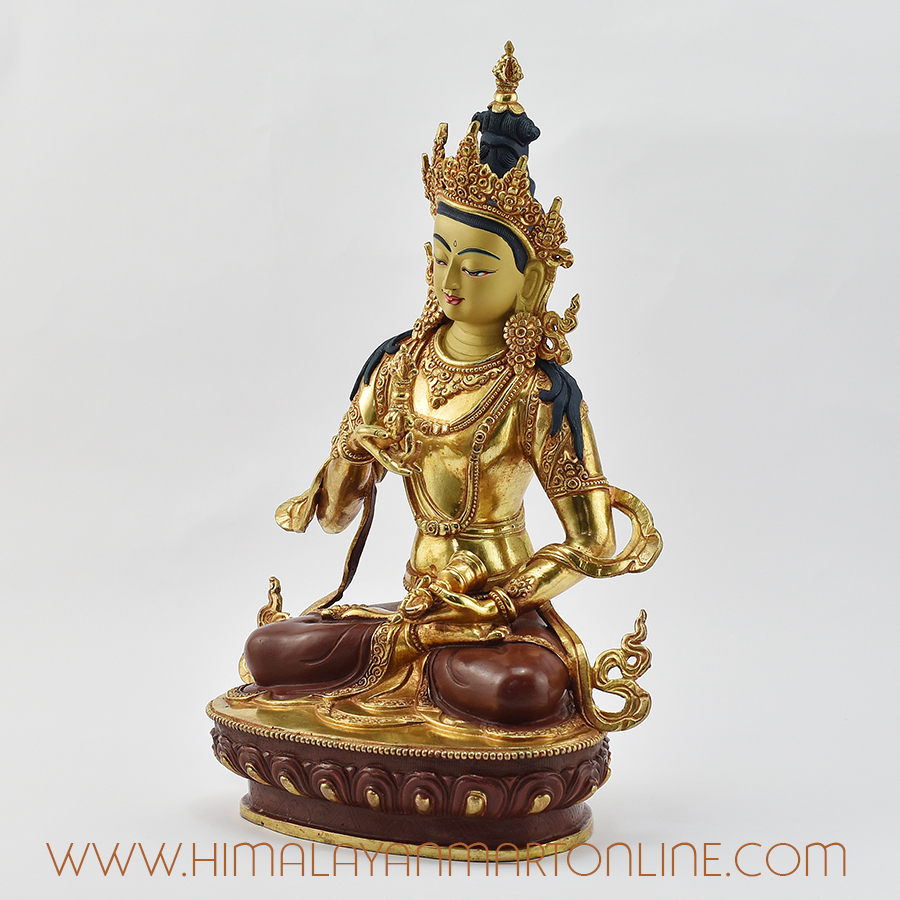
Vajrasattva / Dorjesempa holds the Vajra (or Dorje) and Ghanta (or bell), which together represent the body, speech, and mind of the Buddha. In Tantric ritual, the vajra is held in the right hand and the bell is held in the left. The Vajra represents the compassion of the Buddhas, the masculine principle, and the bell represents wisdom, the feminine principle. To achieve enlightenment, these principles must be combined. Used together in ritual, the Vajra and Ghanta purify the surrounding space of negative energies, and raise beneficial energy for positive work.
About this Vajrasattva Dorjesempa Copper Statue
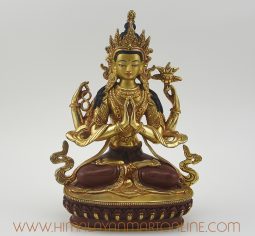
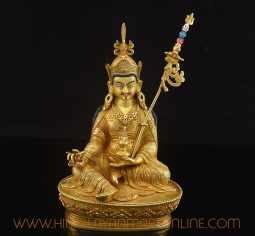
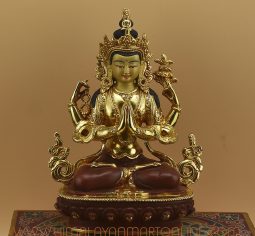
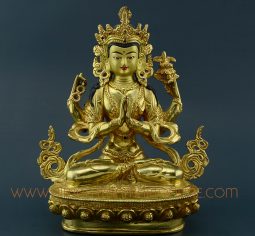
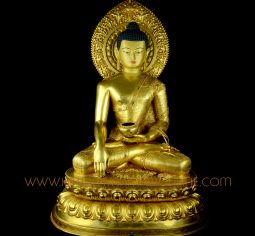
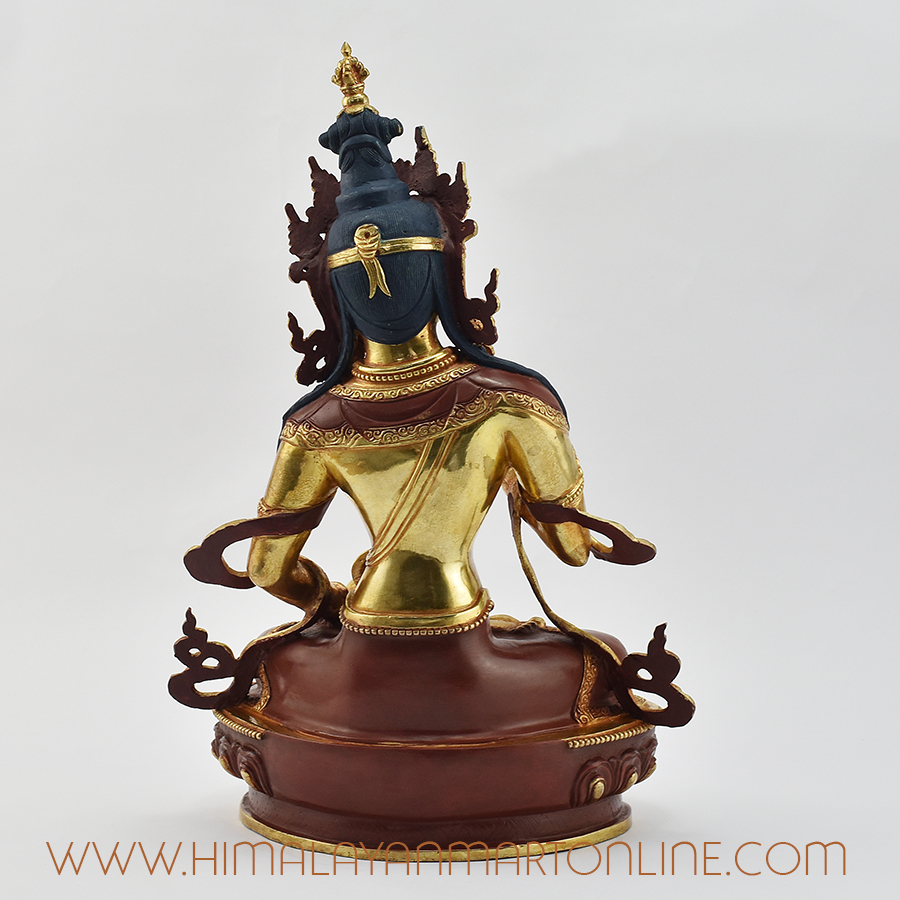
Captivatingly sculpted from copper alloy using the meticulous lost wax method and lavishly gilded with 24-karat gold, this statue beautifully portrays Vajrasattva, also known as Dorjesempa. The sculpture showcases exquisite hand-carving, revealing intricate details in the five-pointed crown, flowing robes, ornate jewelry, and the sacred attributes he holds.
The combination of 24-karat gold gilding and vibrant red polish on the robes and lotus base, along with the delicately hand-painted face, enhances its beauty and liveliness, making it a striking representation of this revered figure.
Individually handcrafted in Patan, Nepal, by master artisans of the Shakya clan—renowned as some of the finest craftsmen in the world—this sculpture is a testament to a centuries-old tradition of creating sacred art for temples and monasteries. The fine metalworking techniques employed in its creation have been meticulously passed down through generations, ensuring that each piece is not only a work of art but also a vessel of spiritual significance.
This Vajrasattva statue embodies the essence of compassion and purification, inviting viewers to connect with its profound meaning and appreciate the artistry that brings it to life.