
Vajrakilaya – Dagger of Indestructible Reality
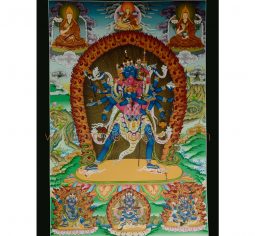
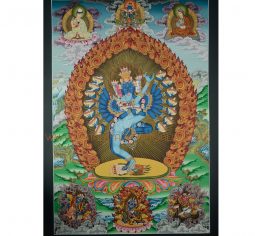
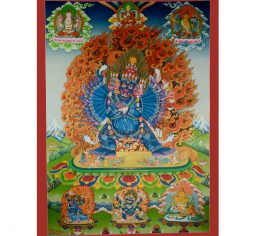
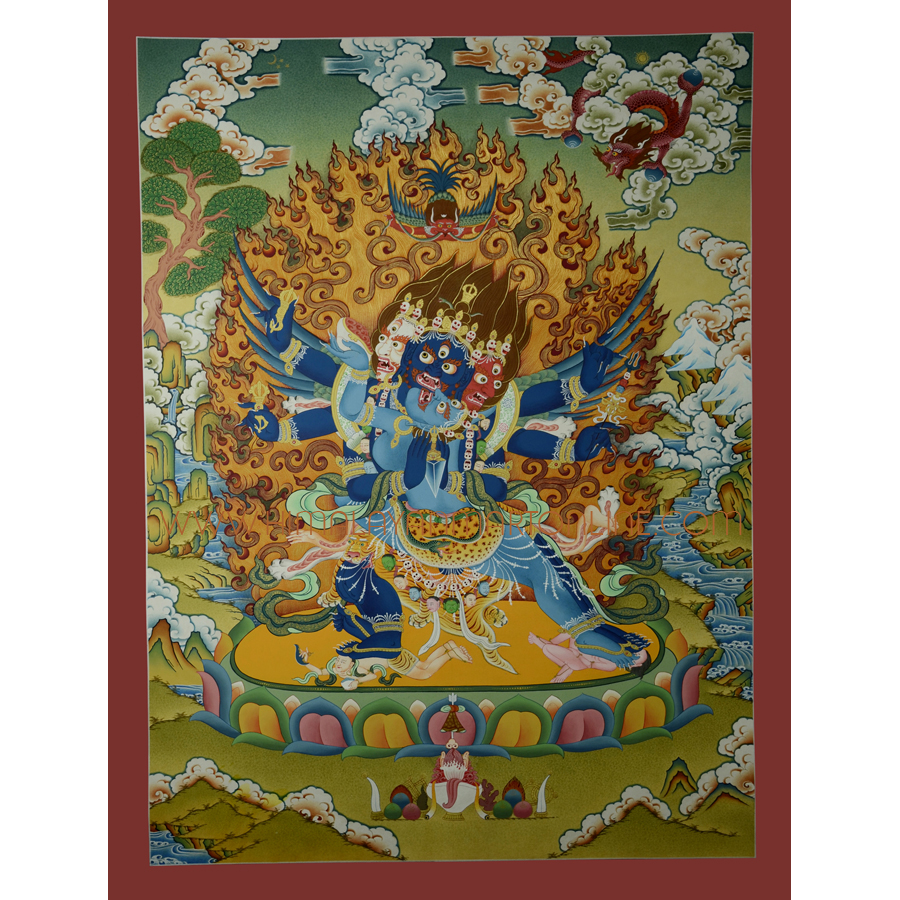
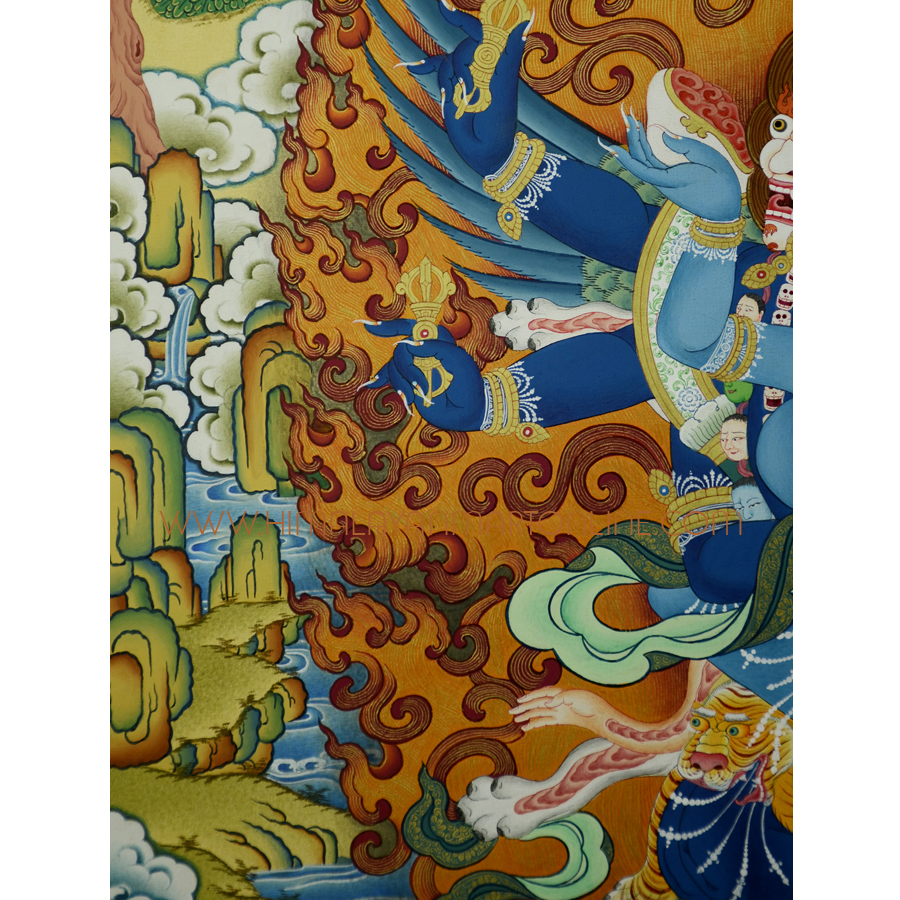
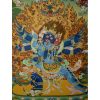
Vajrakilaya Thanka Scroll Painting: Vajrakilaya, also called Vajrakila and Dorje Phurba, is a wrathful Tantric meditation deity whose practices are most often performed by disciples of the Nyingma order. Vajrakilaya’s practices are particularly effective methods for removing obstacles and obstructions, and for destroying and purifying negative forces. Vajrakilaya embodies the powerful enlightened activity of all the Buddhas, and his special emblem – the ritual Phurba dagger – represents the sharp point of wisdom fixed immobile on emptiness through the power of single-pointed concentration.
When the great Guru Padmasambhava first arrived in Tibet, the first transmission that he gave to his twenty-five “heart disciples” was the practices of the Vajrakilaya Tantra. Padmasambhava gave these teachings in order to eliminate obstructions to the propagation of Buddha Dharma in Tibet.
Gestures and Attributes
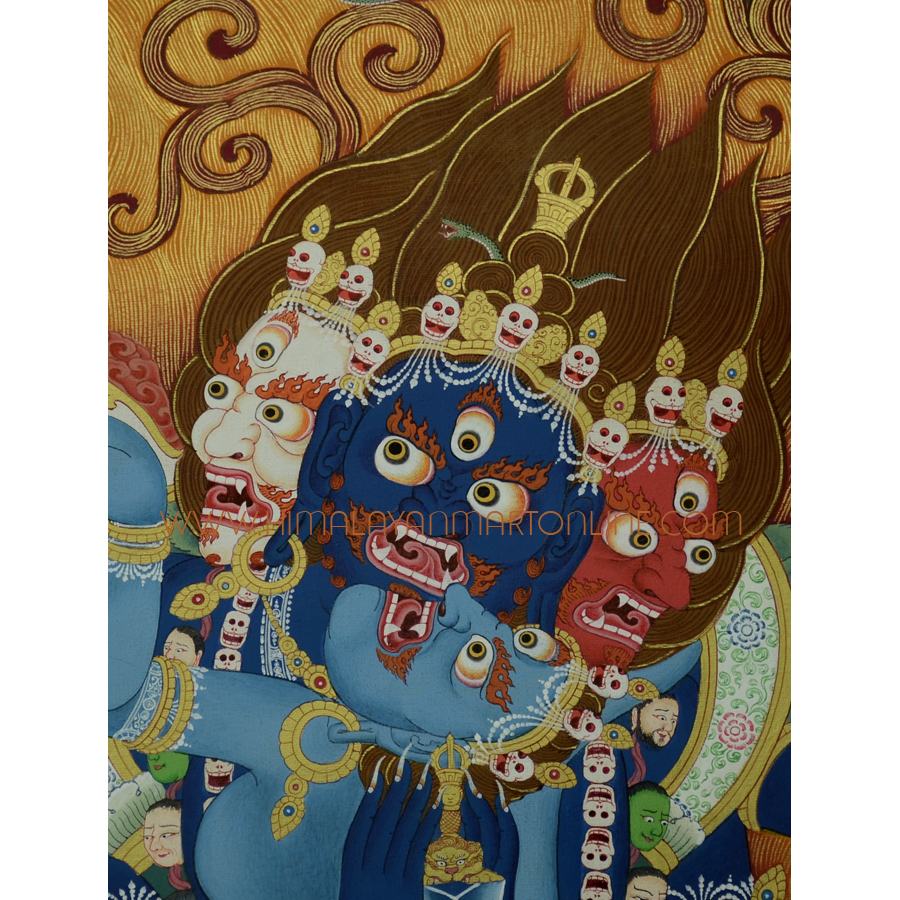
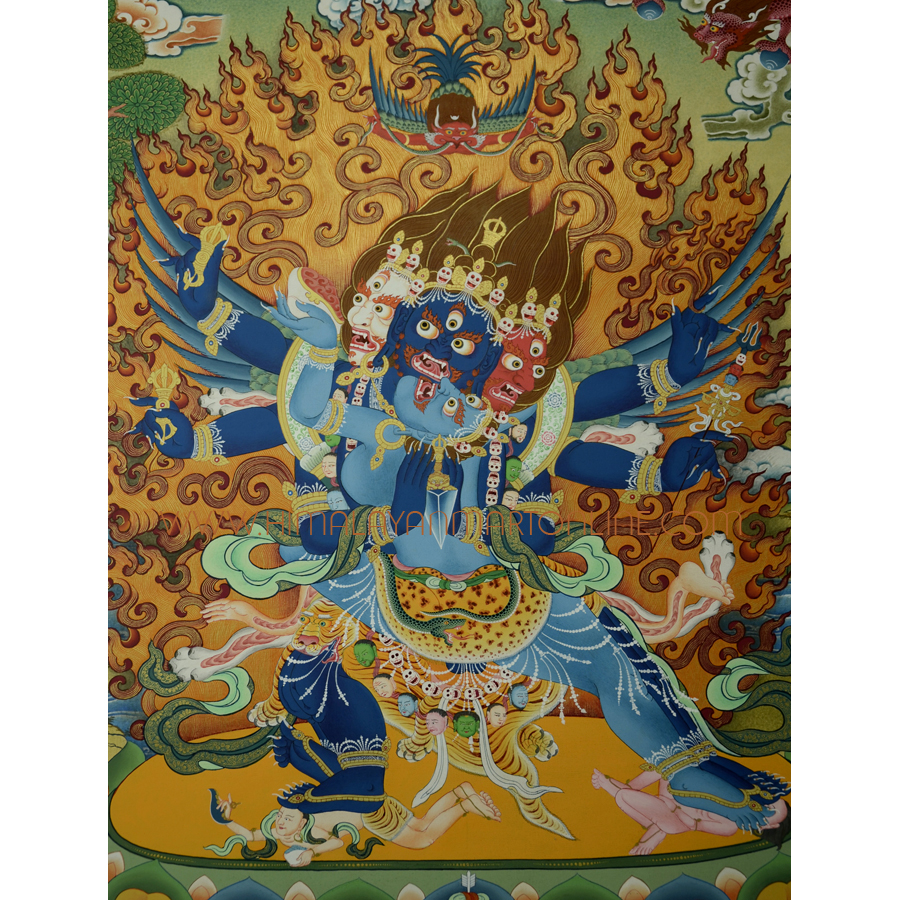
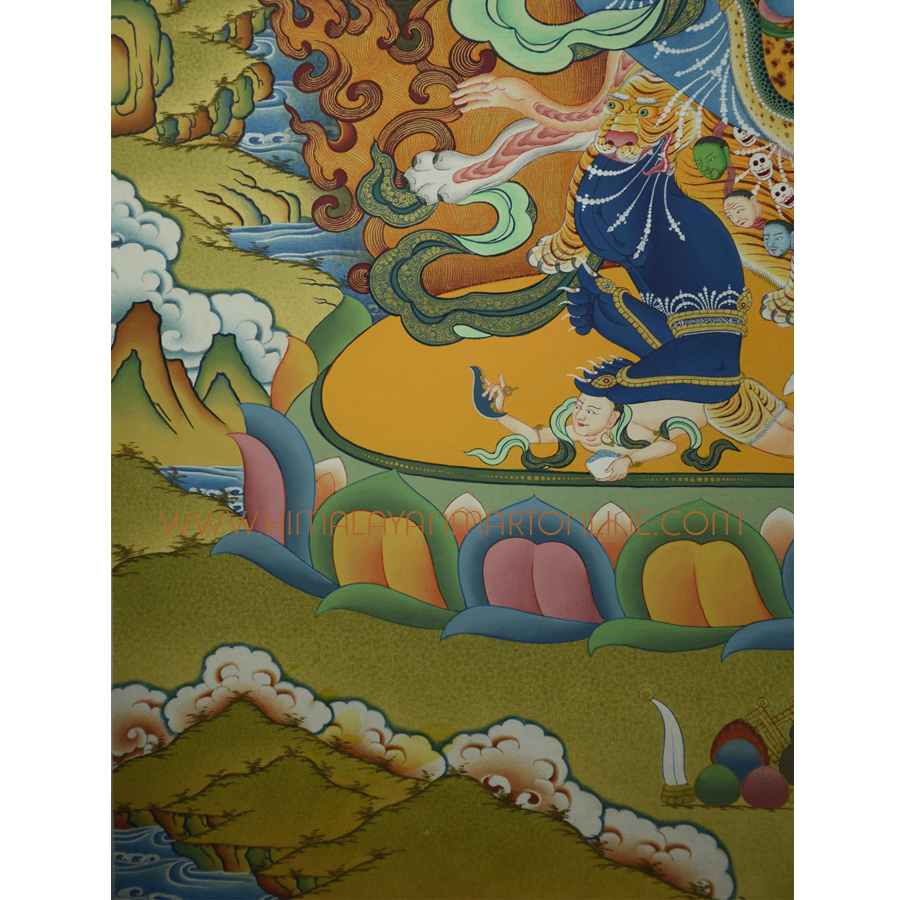
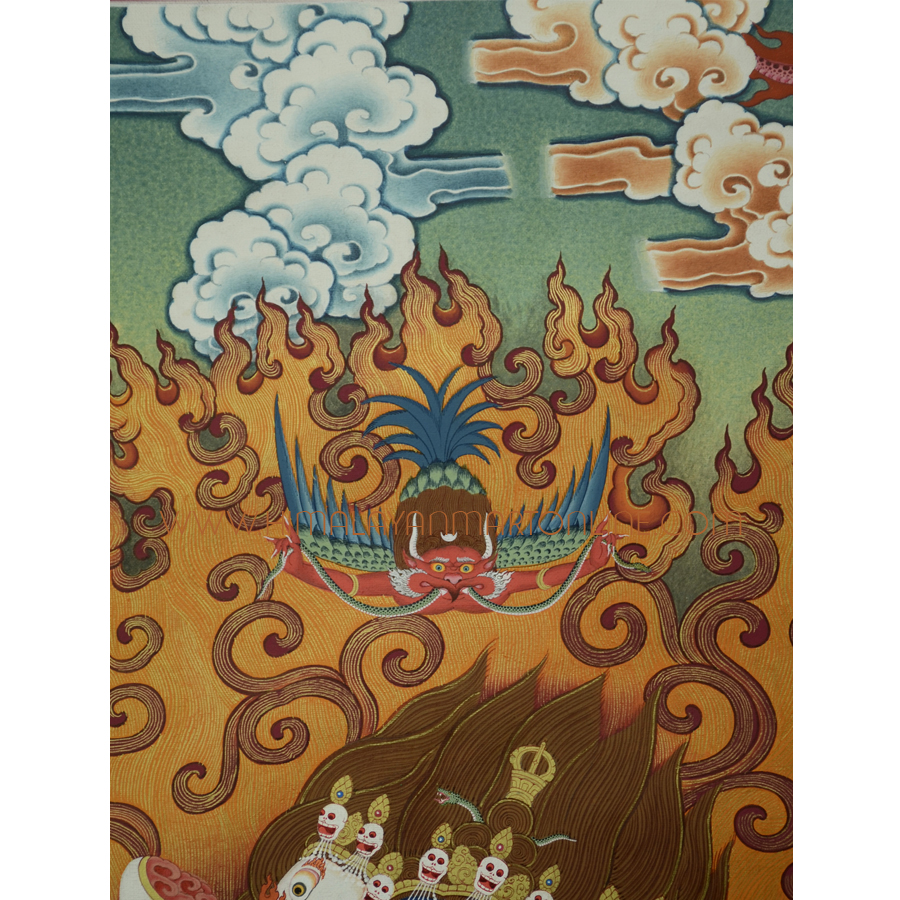
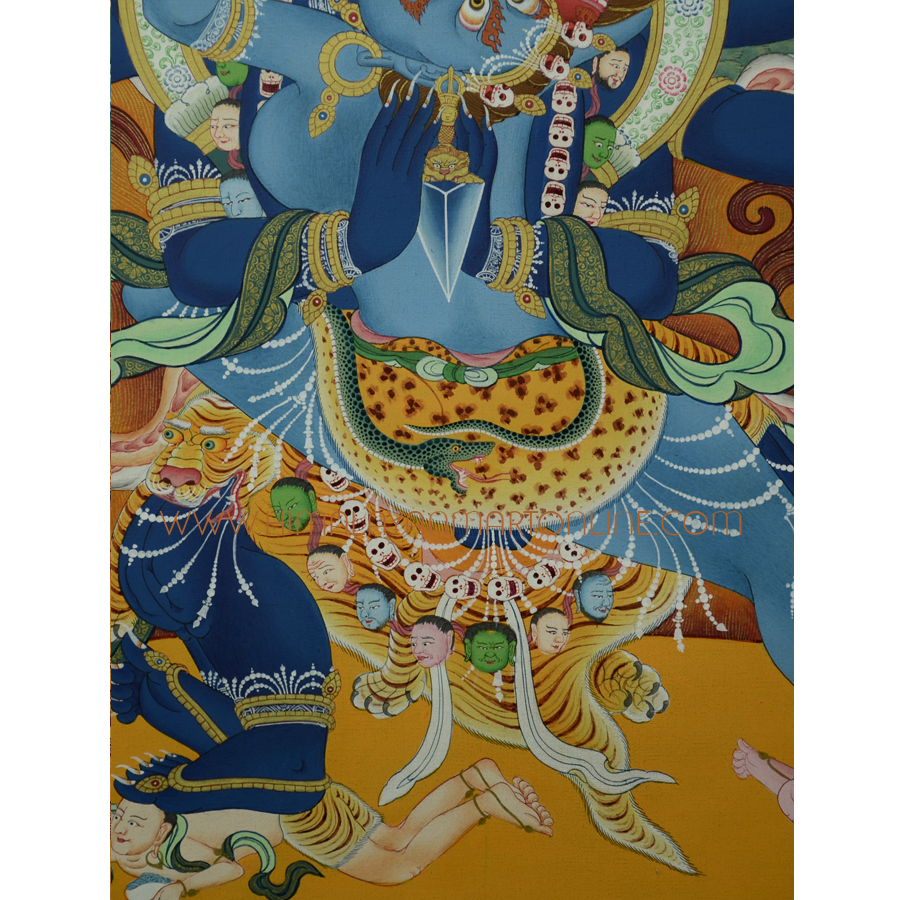
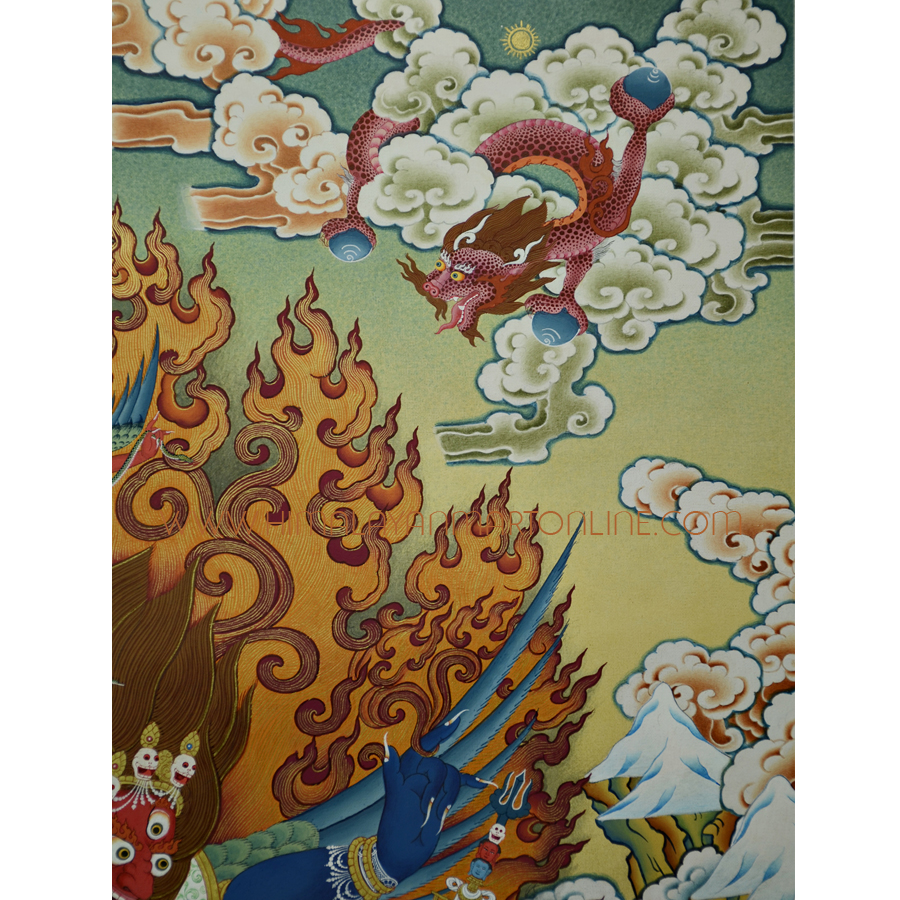
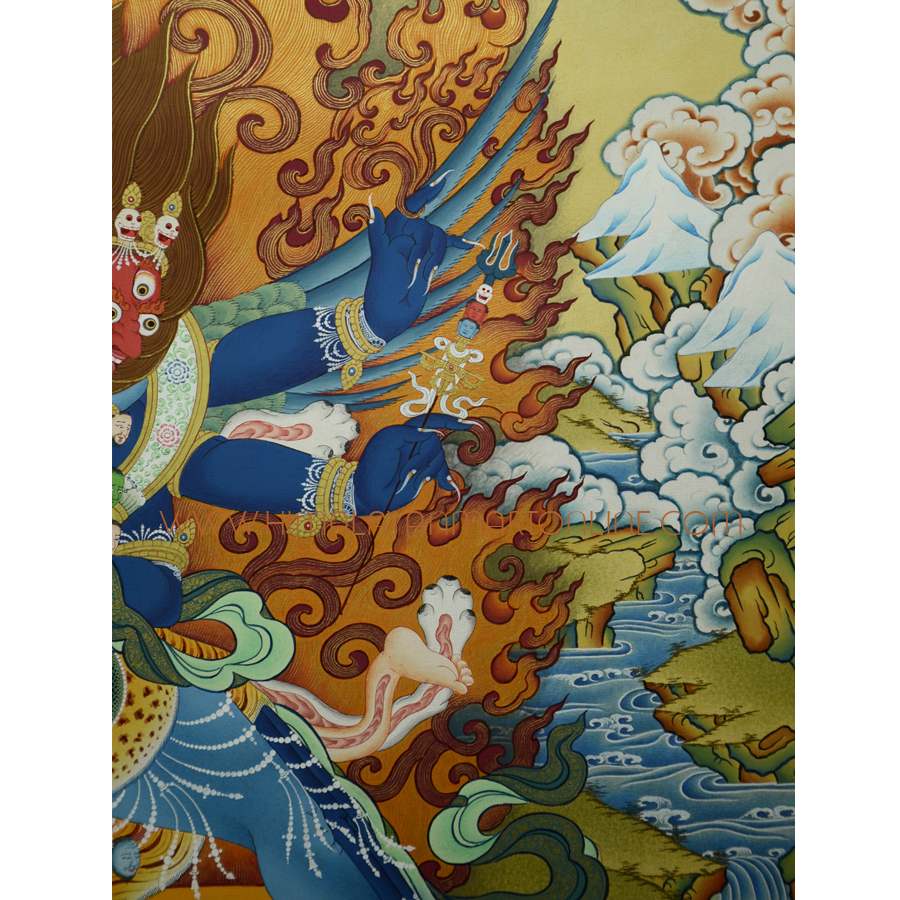
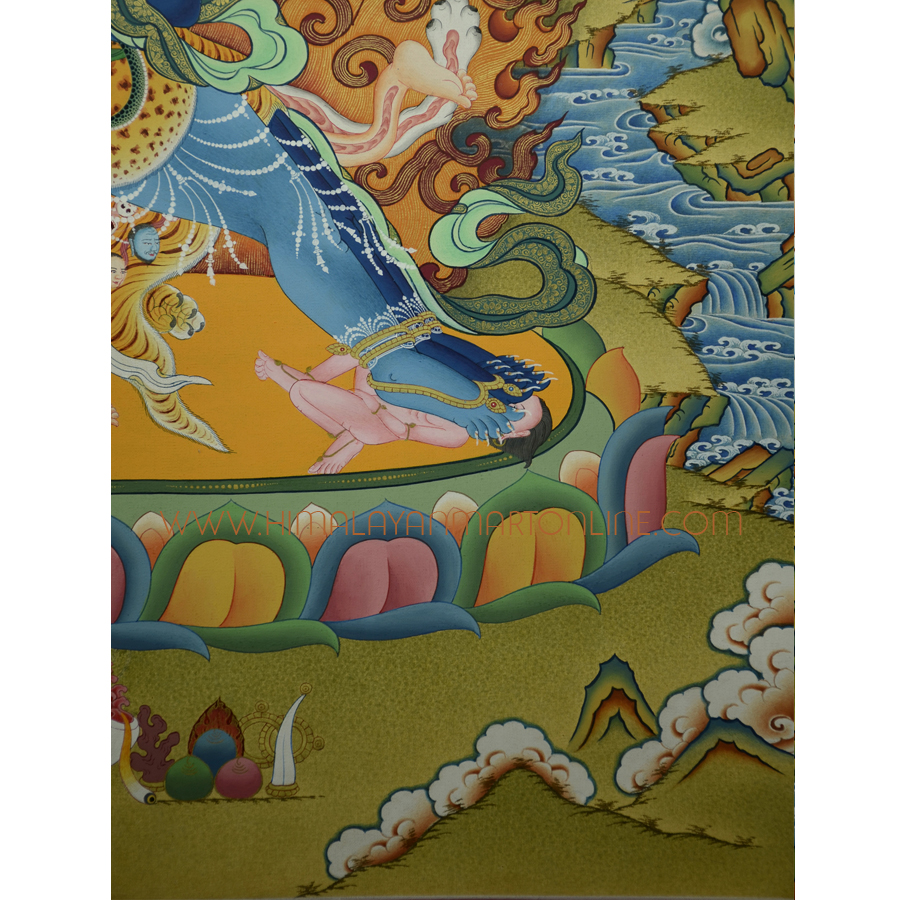
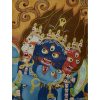
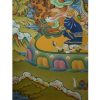
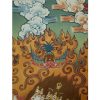
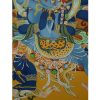
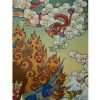
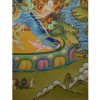
Vajrakilaya has three heads, six arms, and four legs (as shown in this Vajrakilaya Thanka Scroll Painting). His two main hands embrace his consort Khorlo Gyedunma, and hold the magic Phurba dagger. The lower blade of his Phurba represents method or skillful means, and its upper handle represents wisdom. The triple-edged nature of the blade symbolizes the severance of the three root delusions of hatred, ignorance, and desirous attachment, and its triangular single-pointed shape symbolizes the realization of emptiness. Vajrakilaya’s other right hands hold five- and nine-pronged vajras, representing his power and indestructibility. His other left hands hold a flaming triple wish fulfilling jewel, and a trident which symbolizes his abandonment of the imprints of the delusions of the three realms.
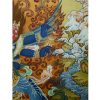
He wears an elephant skin across his back (as shown in this Vajrakilaya Thanka Scroll Painting), showing that he has abandoned the ignorance of self-grasping. A human skin is hung diagonally across the front of his body, indicating his conquest of the self-cherishing ego. His loin cloth is made of tiger skin, symbolizing his abandonment of hatred, and he wears a long necklace of freshly severed human heads, representing his abandonment of ordinary appearances and conceptions.
About this Vajrakilaya Thanka Scroll Painting
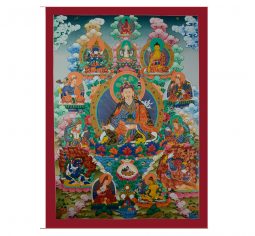
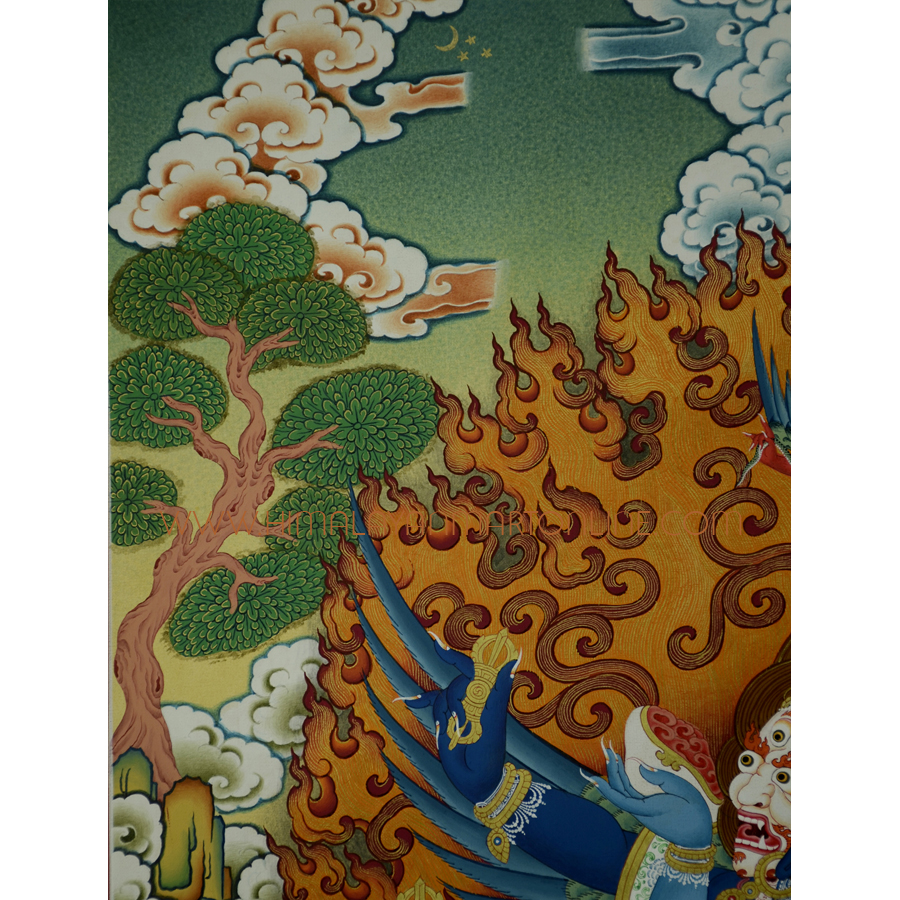
This Vajrakilaya thangka scroll painting is rendered in the Karmakoti style, a distinctive tradition of Tibetan Buddhist art believed to have been pioneered by the 17th Karmapa. Karmakoti thangkas have become increasingly popular and sought-after in recent times due to their intricate detail, vibrant colors, and extensive use of 24-karat gold accents.
The skilled artisans of Patan, Nepal, who have honed this craft over generations, have meticulously hand-painted this thangka scroll on cotton canvas using the same ancient techniques. The result is a visually stunning and spiritually potent work of art that captures the essence of Tibetan Buddhist iconography.
The Karmakoti style is characterized by its reverent depiction of important Buddhist deities and figures, such as Vajrakilaya, in a manner that facilitates meditation and spiritual practice for devout followers. These thangka paintings are not merely decorative, but are considered sacred objects imbued with profound meaning and spiritual significance.