
Samantabhadra – The Great Bodhisattva
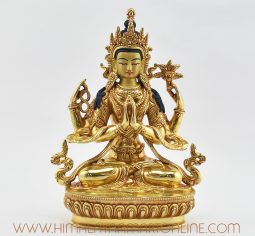
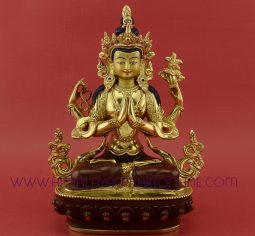
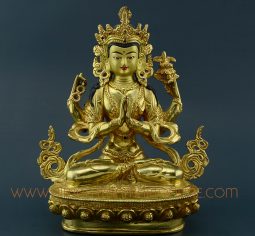
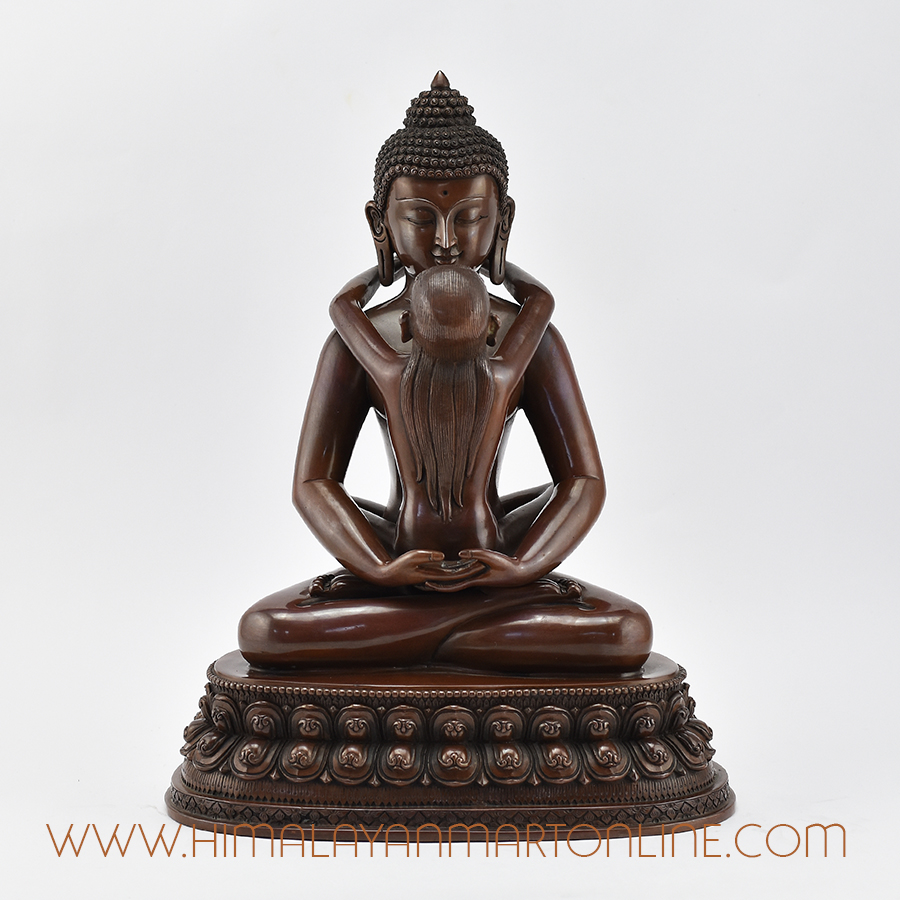
Samantabhadra Bodhisattva Statue: Samantabhadra is a great Bodhisattva; one of the principal Bodhisattvas, the other being Manjushri; they are two subordinates of the Tathagata (or Dhyani Buddha) Vairochana, and known as the Triple Saints of the Avatmasaka Sutra. Samanta means general or universal; Bhadra means sage; and Samantabhadra, which is derived from these words, means the principle of universal love or compassion. Samantabhadra is also known as the Bodhisattva of Great Activity. Samantabhadra is also known as the Universally Worthy Bodhisattva, is one of Three Venerables of the Lord Buddha Shakyamuni. He is always on the right side of the Buddha Shakyamuni, representing the guardian of the law, the lord of the law, and the practice of all Buddhas. Samantabhadra usually reposes with dignity on a six-tusked white elephant, while Bodhisattva Manjushri rides on a lion. He holds a sword indicating that the Law is the basis of wisdom. Samantabhadra is the patron of the lotus Sutra and its devotees, and has a close connection with the Avatamasaka Sutra. Samantabhadra is assigned his universe in the East. In China, people worship Samantabhadra as the object of pilgrimage in E-mei Shan (mountain), which is regarded as his dwelling place. Samantabhadra is a Great Bodhisattva of the Tenth Stage, with the particular quality representing cultivation and practice. He is one of the Four Great Bodhisattvas; the Bodhisattva of Great Conduct. He has the Ten Great Vows, which are the scope of practices in Buddhism (Refer to the Ten Great Vows). Regarding his past history, he was said to be borne by being transformed from a lotus of the seven gems by means of his wisdom.
About this Sculpture
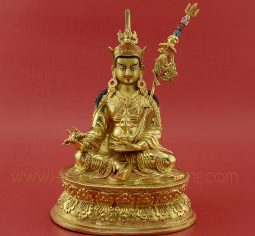
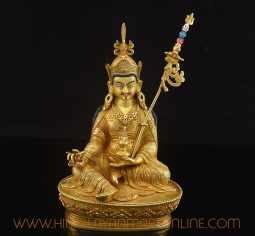
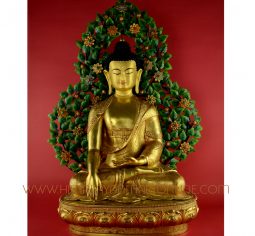
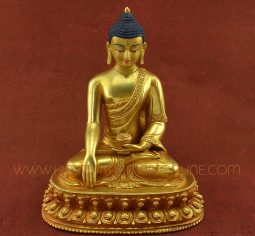
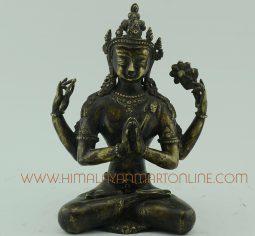
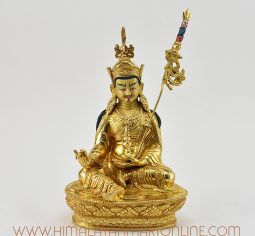
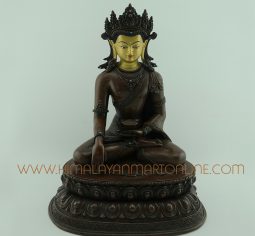
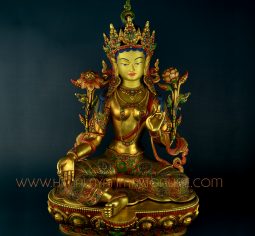
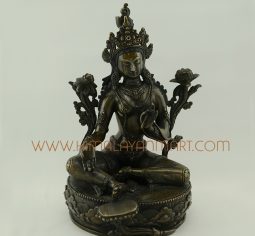
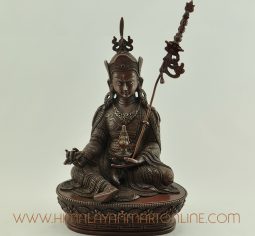
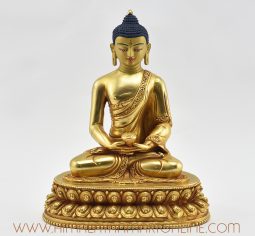
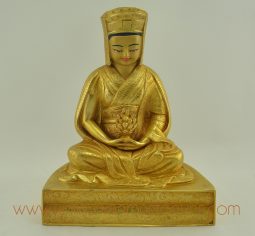
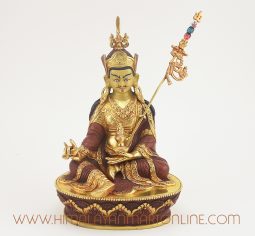
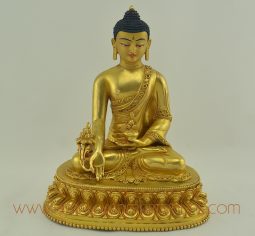
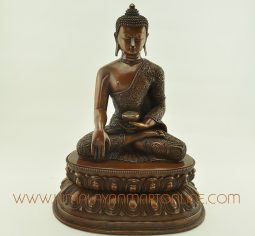
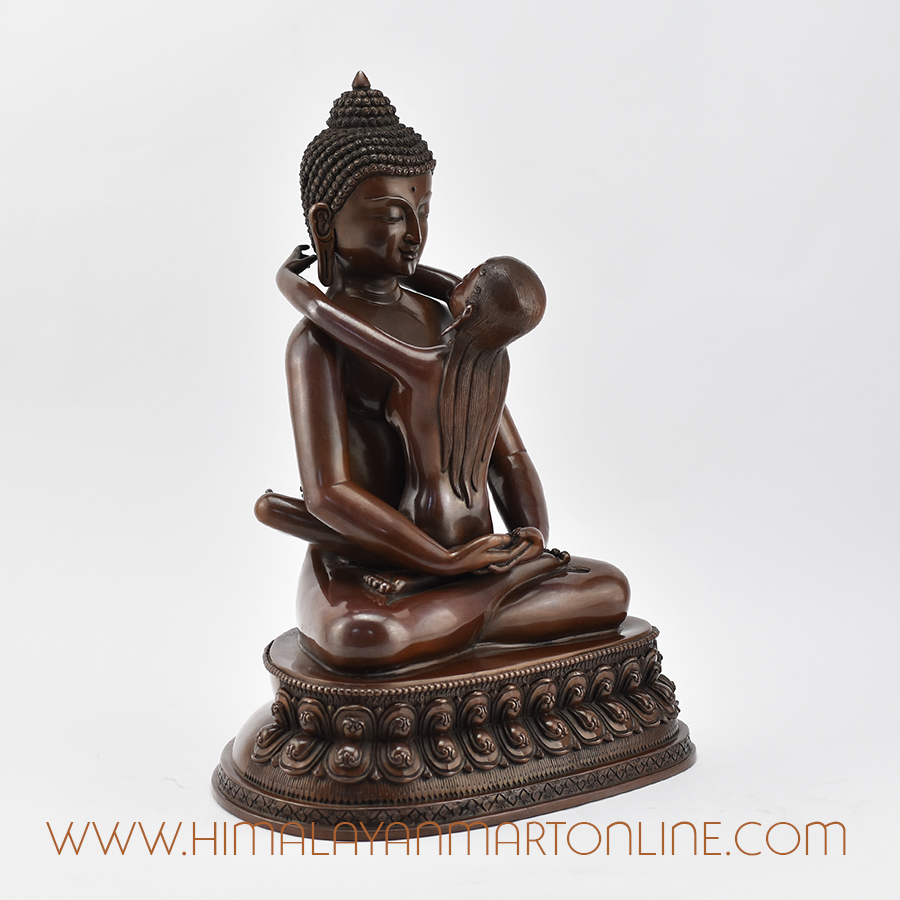
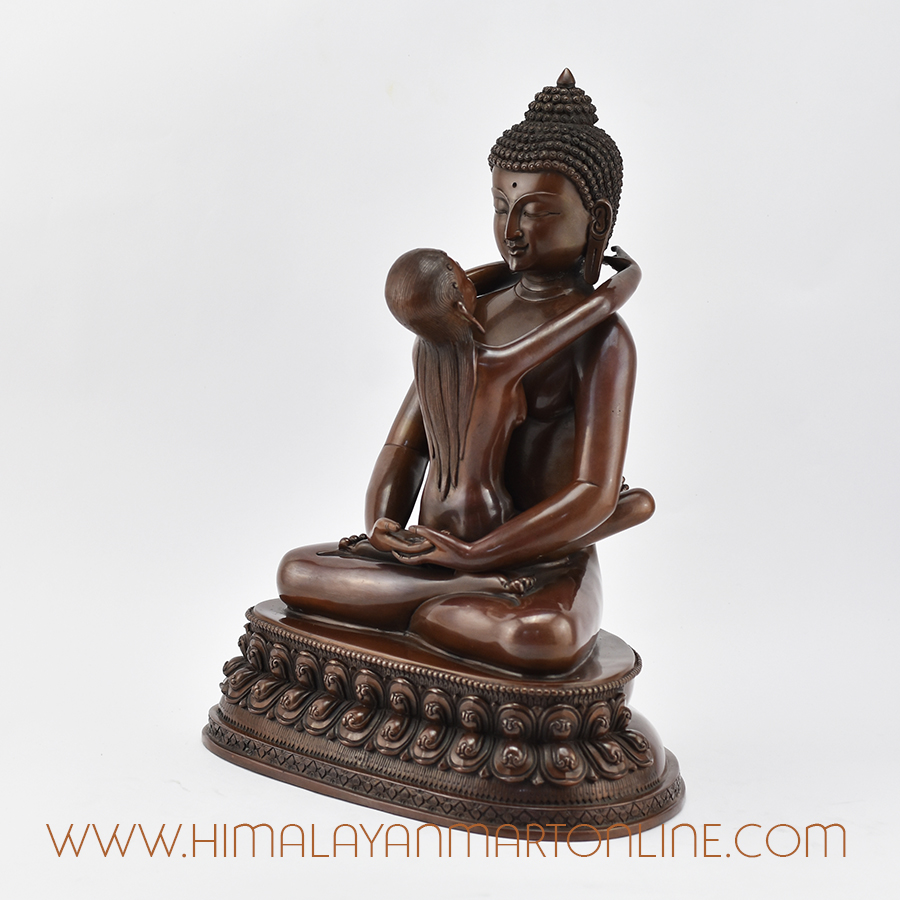
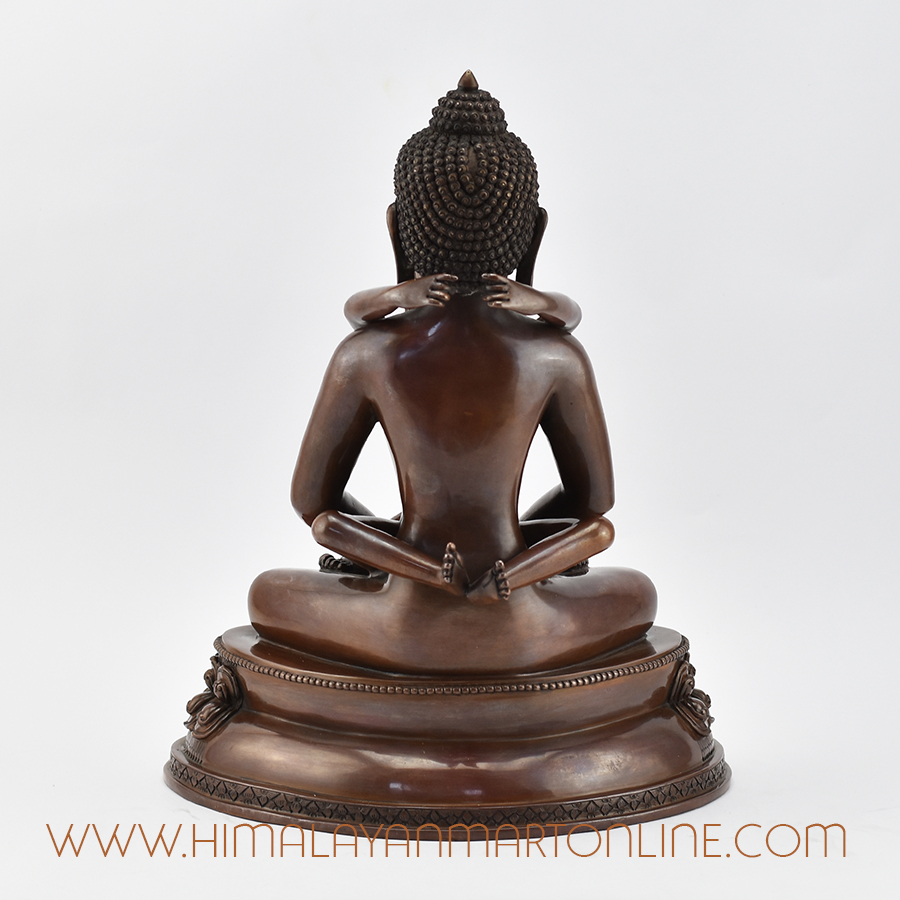
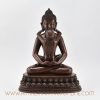
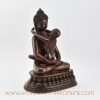
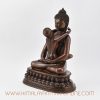
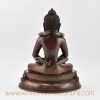
This statue is a charming portrayal of Samantabhadra Bodhisattva, finely sculpted from copper alloy using the ancient lost wax method. The Samantabhadra Bodhisattva Statue has undergone an oxidation process to achieve a rich and sensuous finish. Every detail of the sculpture is meticulously hand-carved, showcasing the exceptional craftsmanship involved.
Individually handcrafted in Patan, Nepal by master artisans of the Shakya clan, this sculpture exemplifies their renowned skill and dedication. These artisans are considered among the best in the world, modern heirs to a centuries-old tradition of creating sacred art for temples and monasteries. Their fine metalworking techniques have been carefully passed down from generation to generation since ancient times, ensuring that each piece is both a historical treasure and a work of art.