
Bajrasattva Shakti: A Profound Symbol of Purification and Union in Tibetan Buddhism
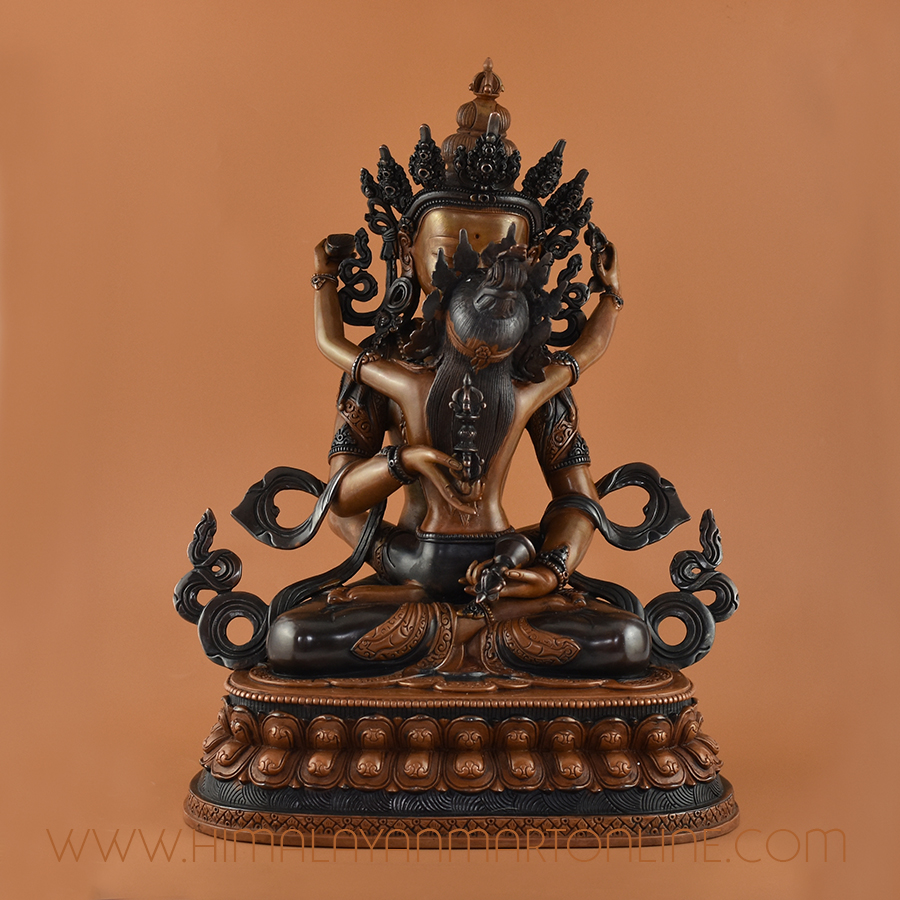
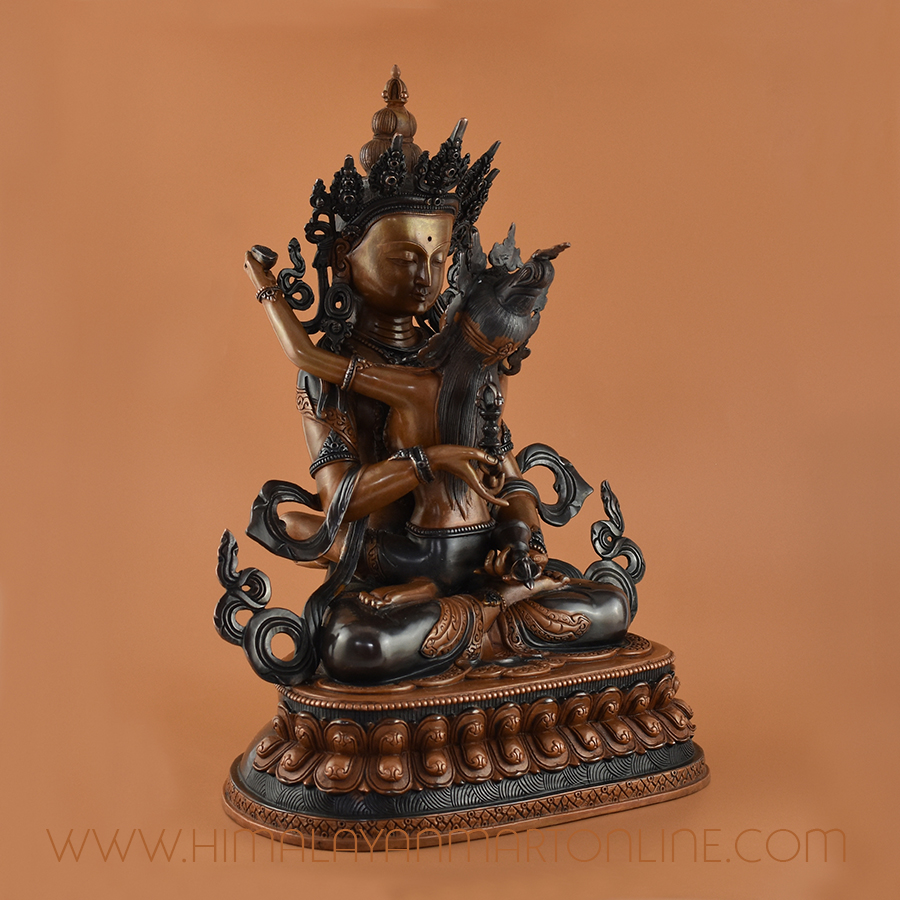
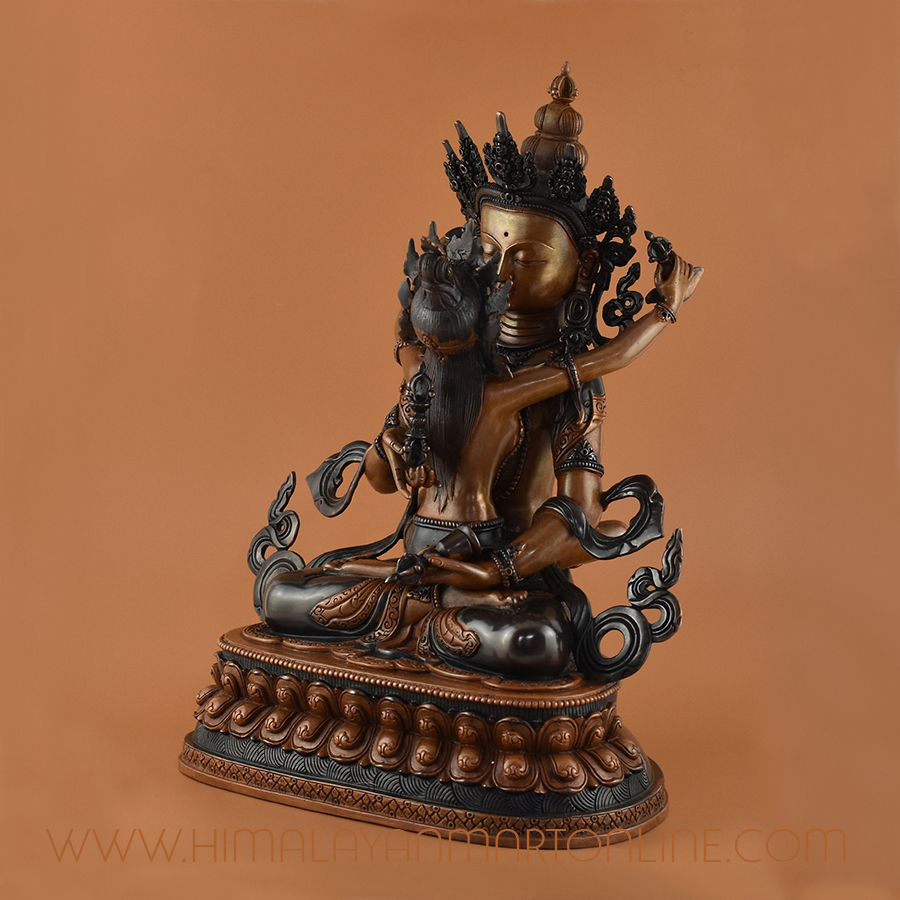
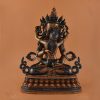
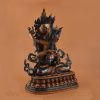
Bajrasattva Shakti Statue: Bajrasattva, known as the embodiment of purity and one of the key deities in Vajrayana Buddhism, holds a significant place in Tibetan Buddhist practice. Often depicted in union with his consort, Bajrasattva Shakti (also known as Vajratopa or Vajrayogini), this representation symbolizes the profound spiritual concepts of purification, transformation, and the union of wisdom and compassion.
The Essence of Bajrasattva
Vajrasattva, often visualized as a serene, white deity, is considered the Buddha of purification. Practitioners invoke Vajrasattva to cleanse themselves of negative karma and impurities accumulated through thoughts, words, and actions. The 100-syllable mantra associated with Vajrasattva is a powerful tool for this purification process, helping practitioners to dissolve obstacles and pave the way for spiritual progress.
Bajrasattva Shakti: The Consort
Bajrasattva Shakti represents the dynamic, active principle of Bajrasattva’s compassion and wisdom. In Tibetan Buddhist iconography, she is often depicted in a loving embrace with Bajrasattva, symbolizing the union of skillful means (upaya) and profound wisdom (prajna). This union, known as yab-yum (father-mother), is a recurring motif in Vajrayana Buddhism, emphasizing the non-dualistic nature of reality where the masculine and feminine principles are in perfect harmony.
Symbolism and Iconography
In their iconographic depictions, Bajrasattva and his Shakti are typically shown seated together on a lotus and moon disc, signifying purity and enlightenment. Bajrasattva holds a Vajra (thunderbolt) in his right hand, symbolizing indestructible power and compassion, and a bell in his left hand, representing wisdom. Bajrasattva Shakti mirrors this pose, embodying the same qualities in a complementary fashion.
Ritual and Practice
The Bajrasattva meditation and mantra recitation are integral parts of many Tibetan Buddhist practices, particularly those focused on purification and preparation for advanced tantric practices. By visualizing Bajrasattva in union with his Shakti, practitioners aim to internalize the qualities of purity, compassion, and wisdom, transforming their own minds and hearts.
Mantra Recitation: The 100-syllable mantra of Bajrasattva is a central practice. Reciting this mantra with sincere devotion is believed to purify negative karma and mental obscurations.
Visualization: Practitioners visualize a stream of white nectar flowing from Bajrasattva and his consort, cleansing them of impurities and filling them with pure, luminous energy.
Meditation: Meditating on the union of Bajrasattva and his Shakti helps practitioners to understand and embody the non-dual nature of reality, cultivating a mind that transcends ordinary dualistic perceptions.
The Spiritual Significance
The union of Bajrasattva and Bajrasattva Shakti serves as a profound reminder of the ultimate goal in Vajrayana Buddhism: the realization of the inseparability of wisdom and compassion, emptiness and form. This sacred union is not merely symbolic but is a direct expression of the enlightened state that practitioners aspire to achieve.
Bajrasattva Shakti, in her union with Bajrasattva, represents the dynamic interplay of the masculine and feminine energies in the pursuit of spiritual purity and enlightenment. This depiction offers practitioners a powerful and transformative practice aimed at achieving a state of ultimate purity, wisdom, and compassion, which are the hallmarks of the enlightened mind.
About this Bajrasattva Shakti Statue
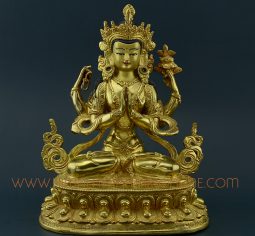
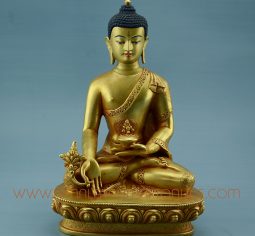
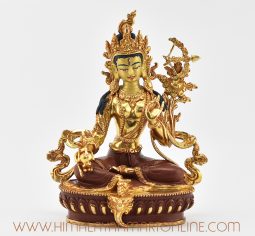
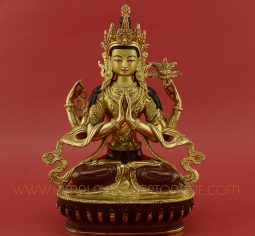
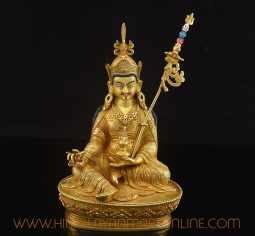
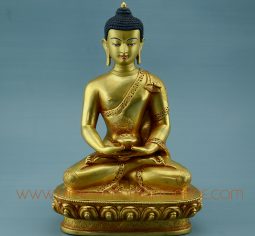
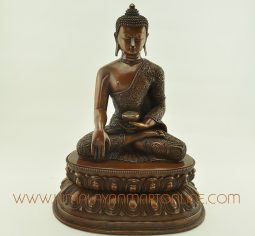
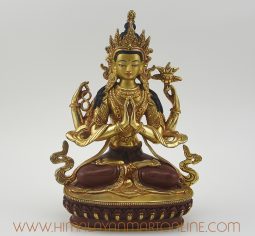
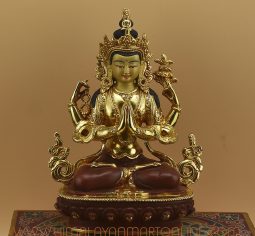
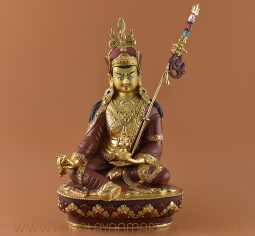
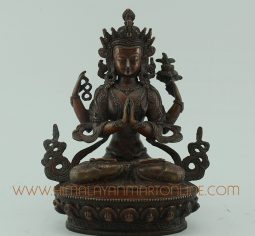
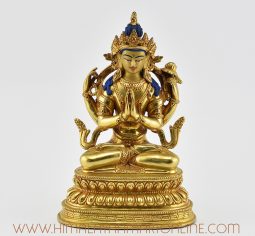
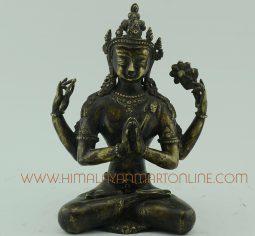
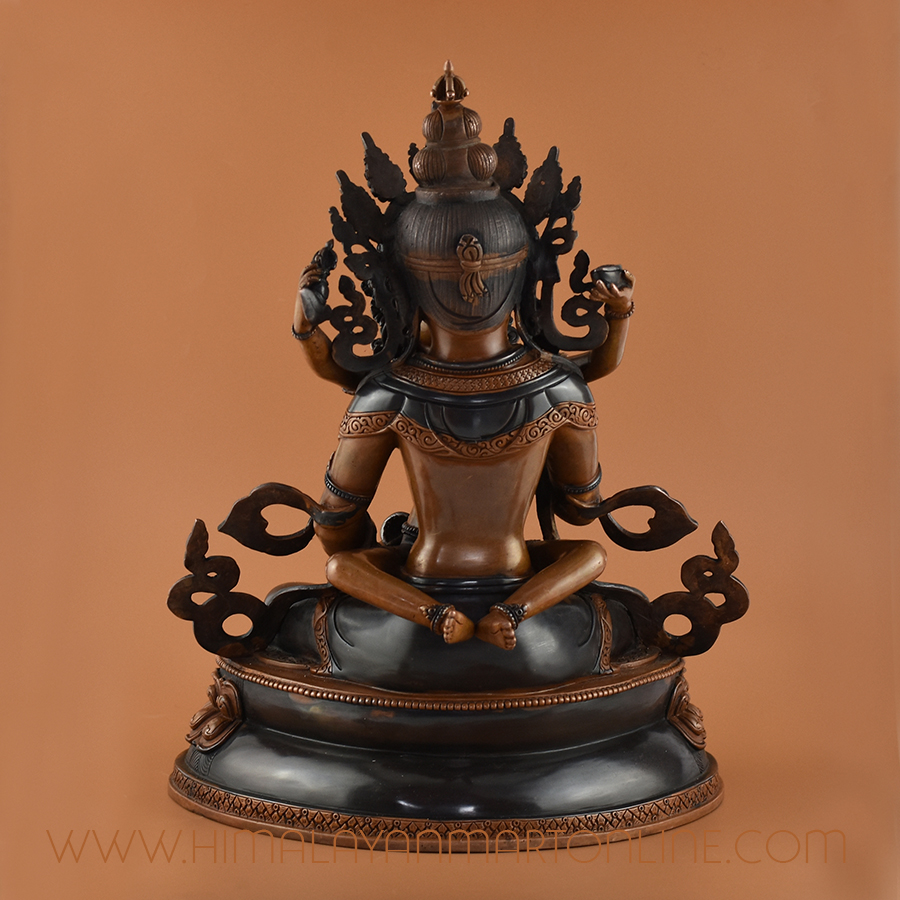
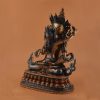
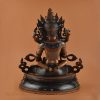
This exquisite sculpture is a breathtaking portrayal of Bajrasattva / Dorje Sempa in his union form, expertly crafted from copper alloy using the lost wax method. The intricate details of the sculpture, including the five-pointed crown, jewelry, and attributes held by Bajrasattva and his consort, are finely hand-carved, showcasing the exceptional skill of Nepalese artisans. The combination of two mild color oxidation processes yields a rich and sensuous finish, making the sculpture appear even more beautiful and lifelike.
This Bajrasattva Shakti Statue is individually handcrafted in Patan, Nepal by master artisans of the Shakya clan, who are renowned for their exceptional skill and dedication to preserving traditional techniques passed down through generations. These craftsmen are the modern heirs to a centuries-old tradition of creating sacred art for use in temples and monasteries, ensuring that each piece is a masterpiece that embodies both artistic excellence and profound spiritual significance.
The fine metalworking techniques used in the creation of this sculpture have been passed down from generation to generation since ancient times, allowing for the capture of intricate details and features that are both visually stunning and spiritually significant. The result is a truly exceptional piece of art that is sure to inspire and guide practitioners of Tibetan Buddhism.
This sculpture is a testament to the enduring skill and tradition of the Shakya clan, who continue to create masterpieces that inspire and guide practitioners of Tibetan Buddhism.