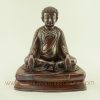
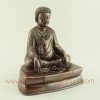
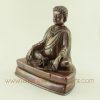
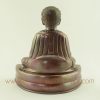

Marapa – The Founder of Kagyudpa Tradition
Marapa was the founder of Kagyudpa tradition of Tibetan Buddhism. Marapa was born in 1012 A.D. in the region of Lodrak Tibet, right above the border of Bhutan. In his childhood he quickly learned reading and writing. Marapa learnt Sanskrit from Drogmi Lotsava who was well versed in Path and Fruition doctrine of Sakyapa tradition. Having been frustrated with his inability to learn more teachings from Drogmi he toured India three times via Nepal. Marpa had two Nepali Gurus, Paindapa and Chitherpa from whom he learnt the Chakrasamvara and Chatuhpith Tantras for three years. These two Nepalese teachers gave Marpa a great deal of dharma instruction and language. Marpa with his great zeal and assiduity learnt the vast range of Tantric teachings from Naropa, Maitripa, Kukkuripa and others. Marapa came back to Tibet with these vast resources and taught his disciples extensively. Among his disciples, Tibet’s great yogi Milarepa was the foremost and he had many outstanding disciples of his own through whom Kagyudpa lineage is continued uninterruptedly till today.
Gestures and Attributes
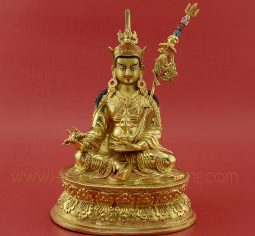
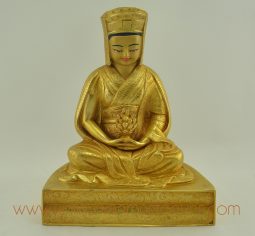
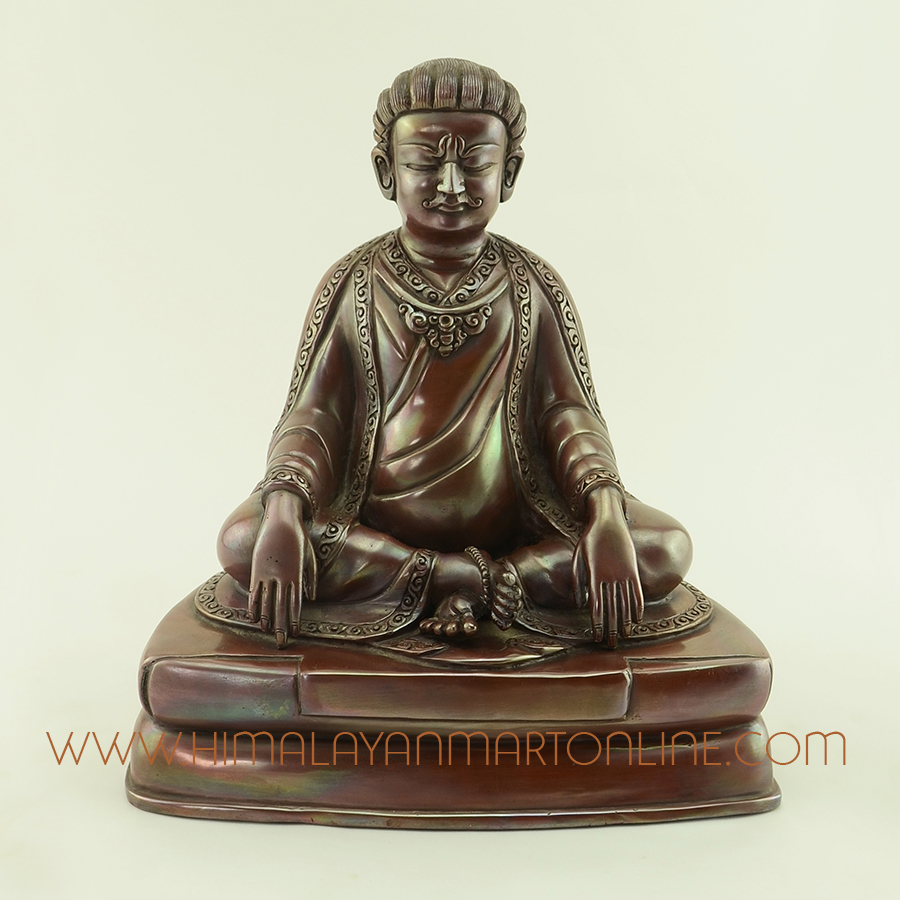
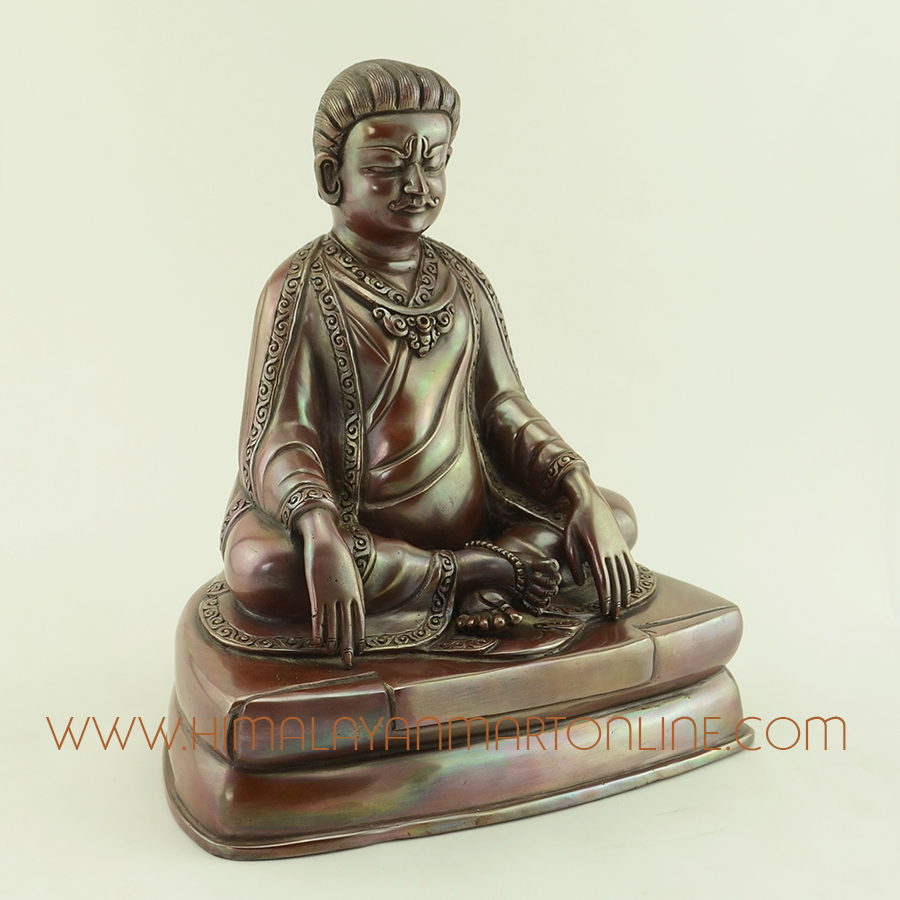
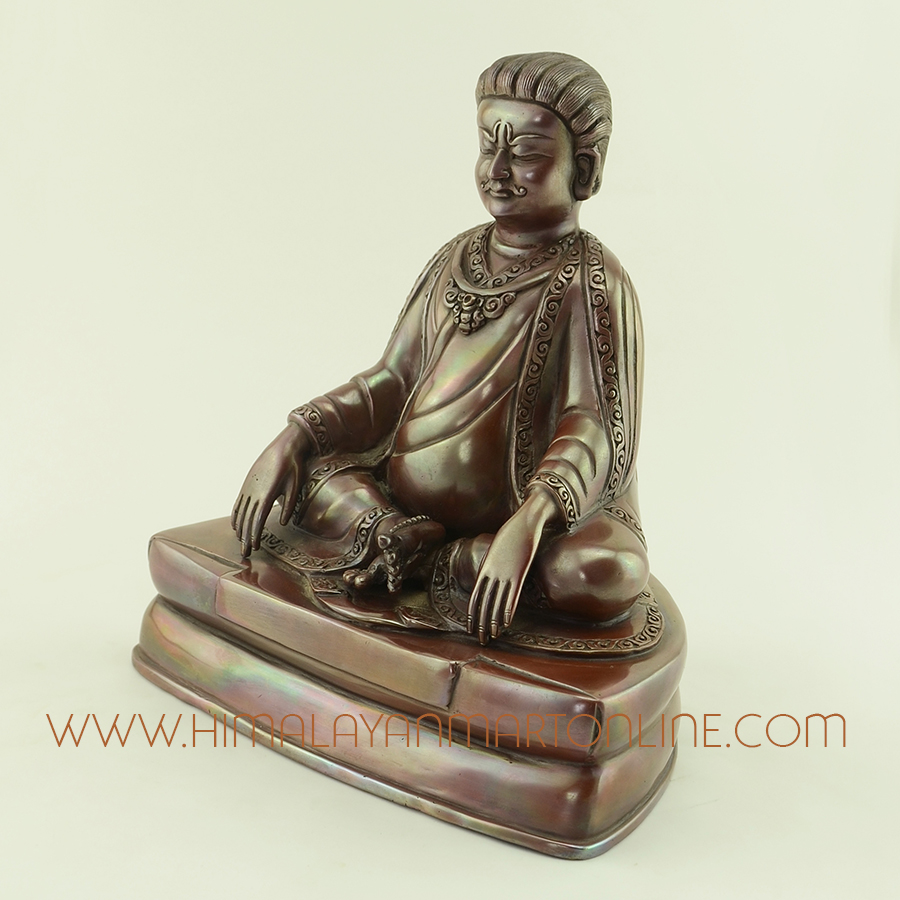
Marapa is said to be a very fat one with hair standing five fingers straight up off his head and with angry looking face. But in some commentaries of Venerable Karma Chagme, he is described as having matted hair and wearing a Chuba with big Chinese style sleeves and a large cap.
About this Sculpture
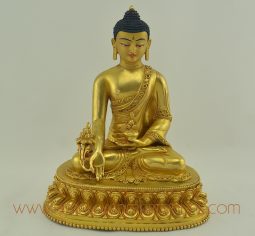
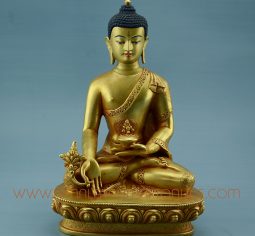
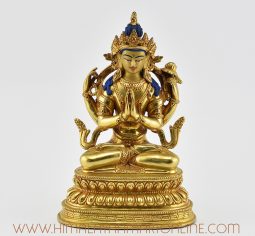
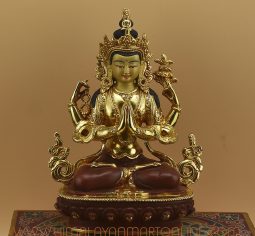
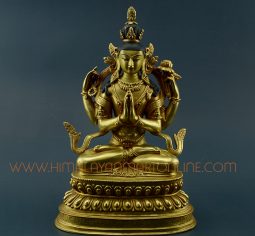
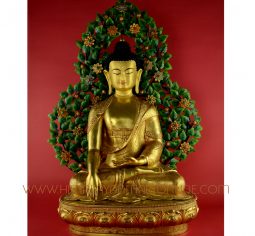
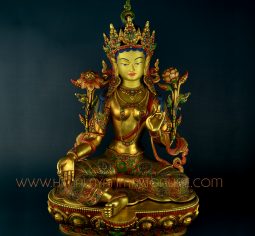
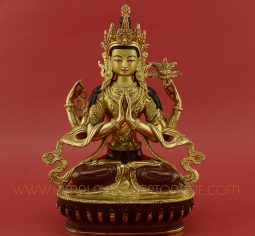
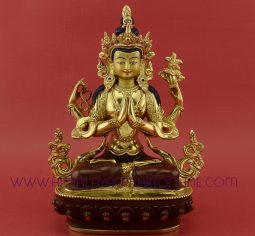
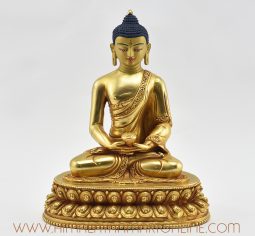
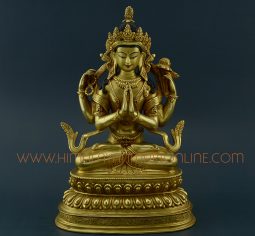
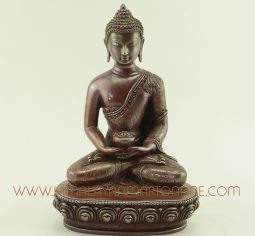
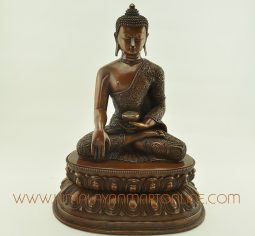
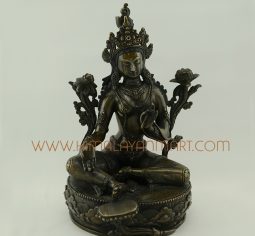
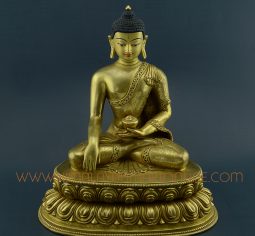
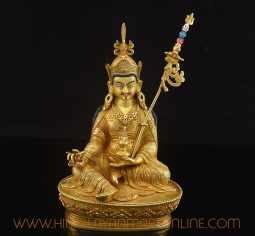
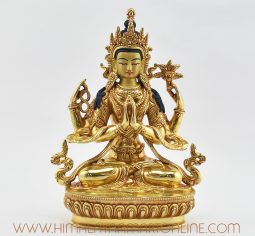
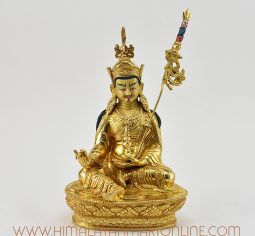
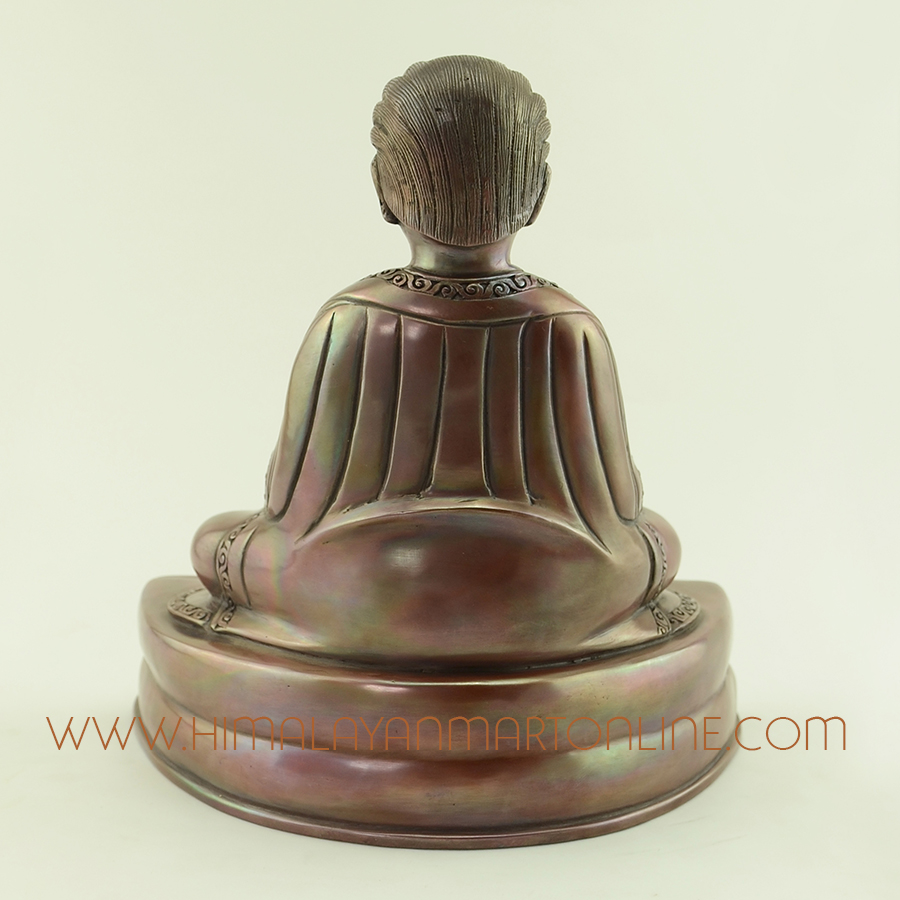
This sculpture is a beautiful portrayal of Guru Marapa. Expertly sculpted from copper using Lost Wax Method, the statue has been submitted to an oxidation process to yield a rich and sensuous finish. This sculpture was individually handcrafted in Patan, Nepal by master artisans of the Shakya clan who are considered among the best in the world. These craftsmen are the modern heirs to a centuries-old tradition of creating sacred art for use in temples and monasteries. The fine metalworking techniques have been passed down from generation to generation since ancient times.