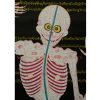
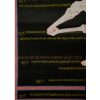
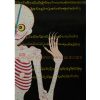
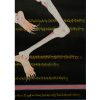

Anatomy of Blood Vessels
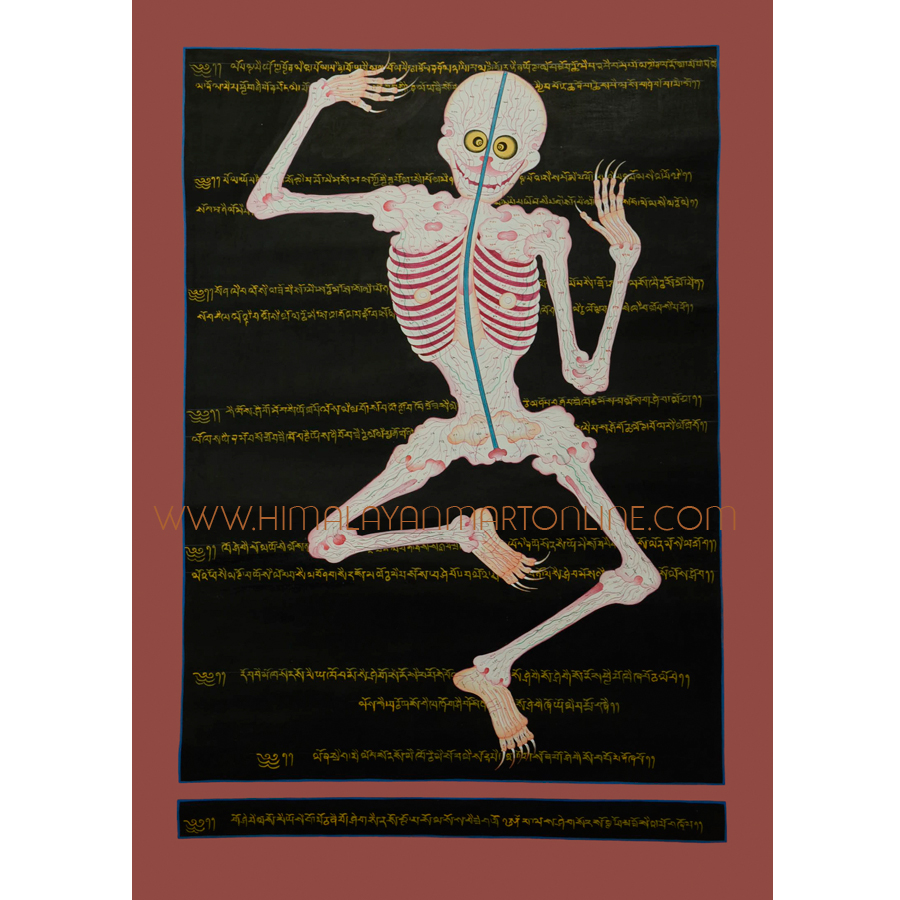
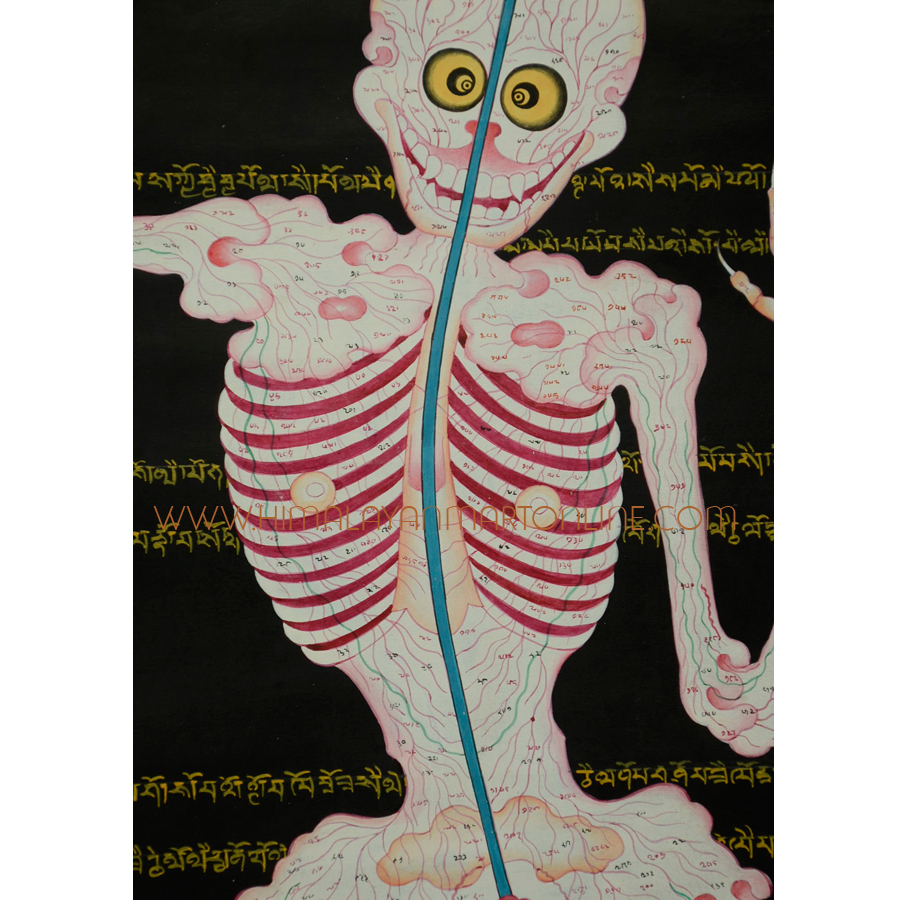
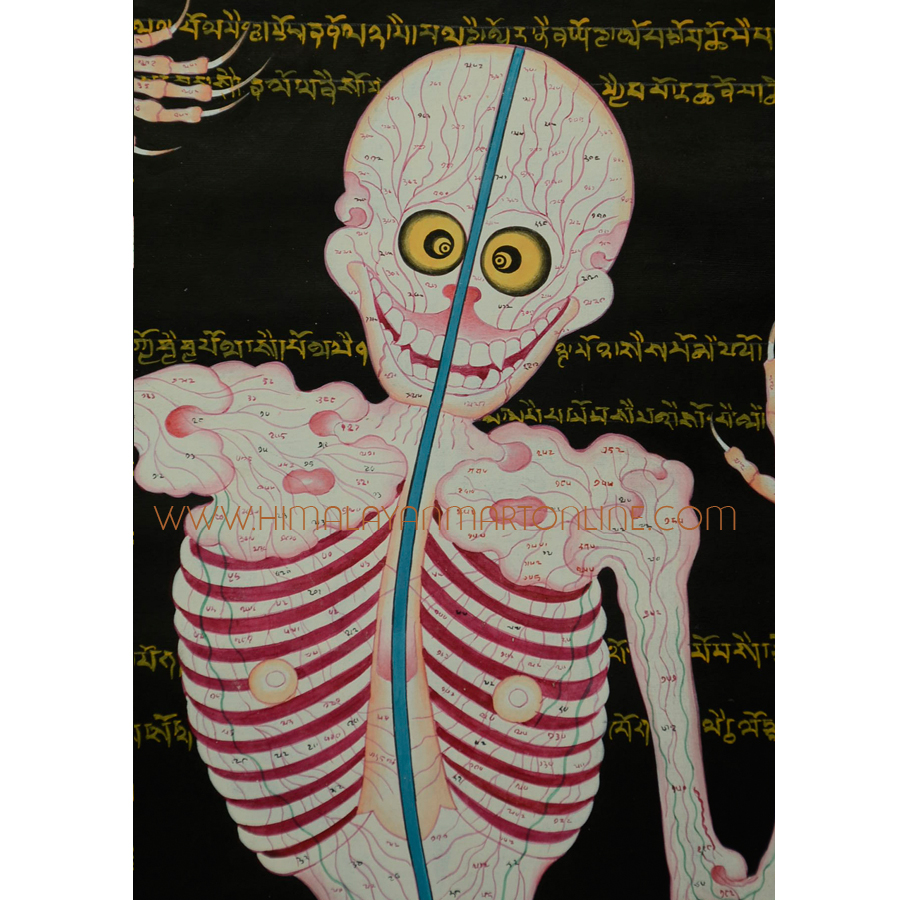
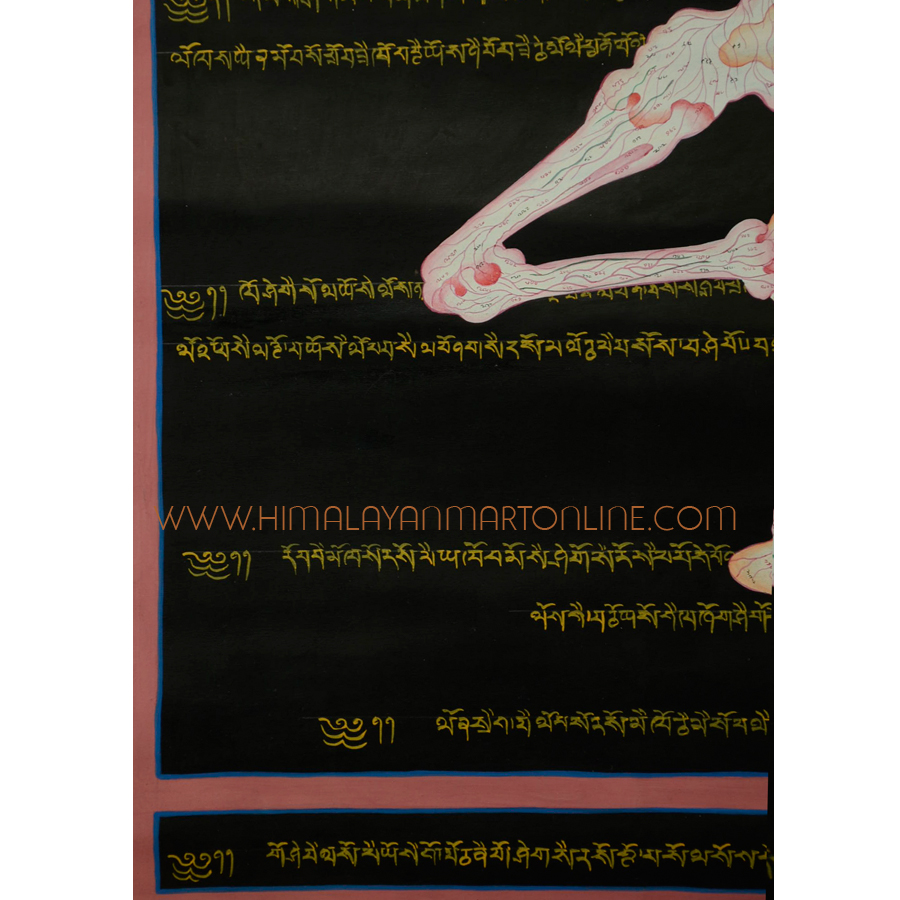
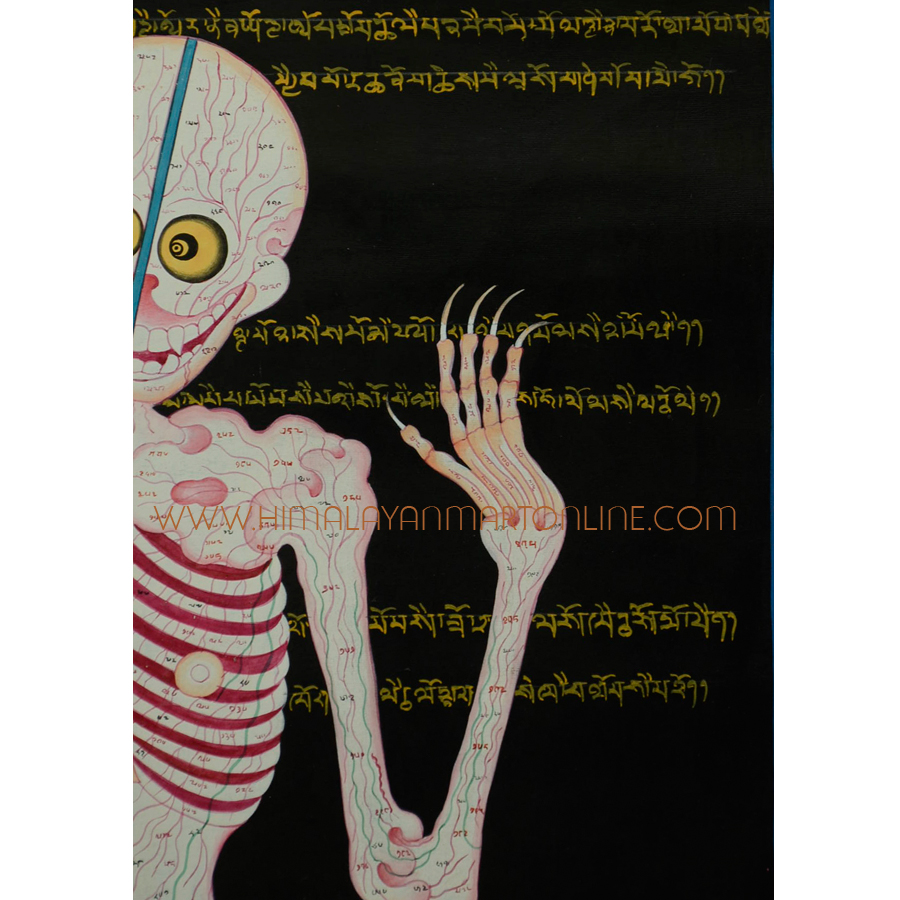
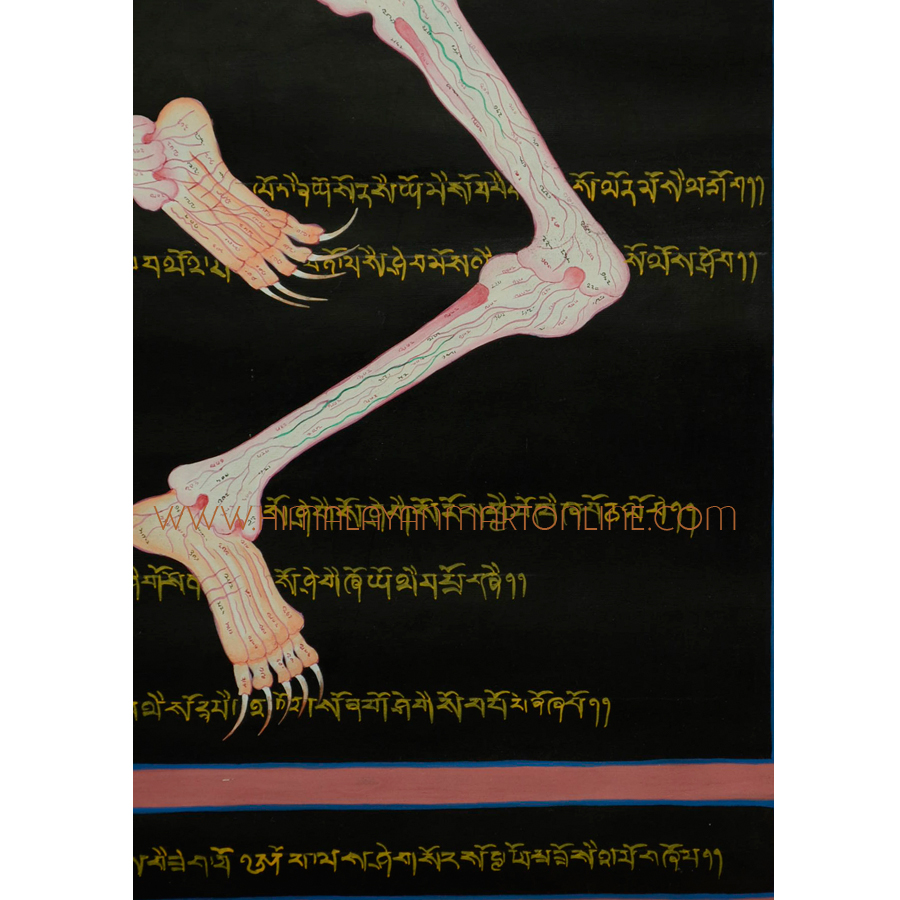
This painting illustrates the anatomy of blood vessels of human being. It indicates all the points and their description of human anatomy of blood vessels of human body in pictorial form. According to the four Tantras it is a precious aid for indications and contraindications of compresses and minor surgery.
According to traditional Tibetan medicine, physiological aspects of the human body are explained within the context of five elements (earth, water, fire, wind, space); all the functions and activities of our bodies and minds are maintained by the proper functions of these elements manifesting through three humors (rlung ‘wind’, mkhris-pa ‘bile’ and bad-kan ‘phlegm’). The harmonious function of these three humors ensures good health.
The humor of wind (rlung) is mainly composed of the air element and primarily relates to the mind and our physiological state. It is responsible for the movement of our bodies, helping circulation, breathing, the nervous system, pulsation of heart, expansion and contraction of limbs. It also governs emotional feelings like anxiety, stress, nervousness, pain, fear, etc.
The humor of bile (mkhris-pa) is bodily heat energy and is mainly composed of the fire element. It enhances digestive heat, absorption and assimilation of food. It has responsibility for retaining our body temperature, as well as for intelligence, understanding and courage.
The humor of phlegm (bad-kan) is composed of earth and water elements. It is responsible for retention of the fluids in the body, such as the lymphatic system, mucus and gastric and intestinal juices. It stabilizes the mind, induces sleep and connects and lubricates the joints.