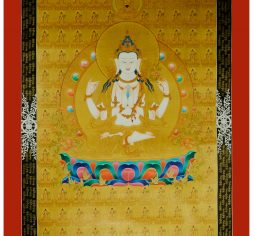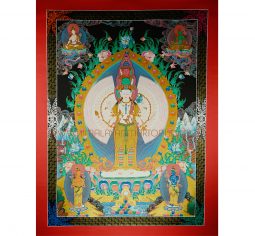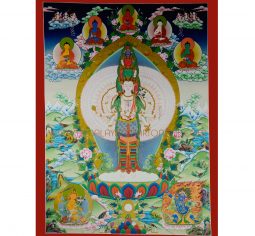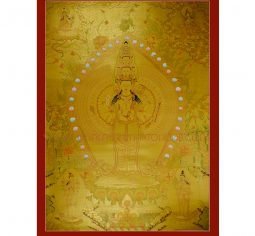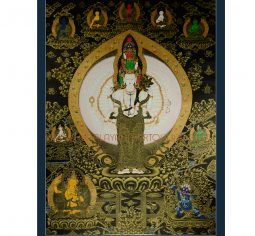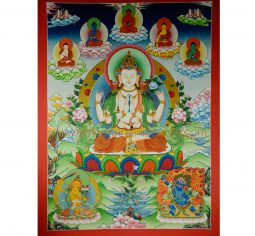
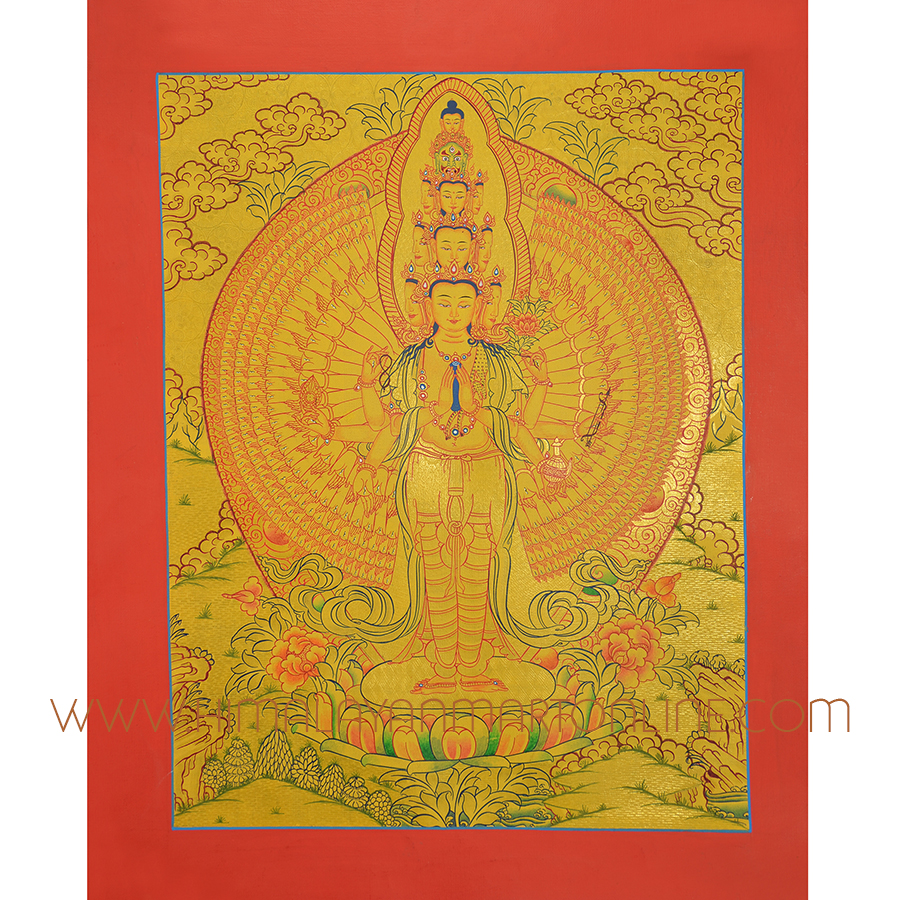
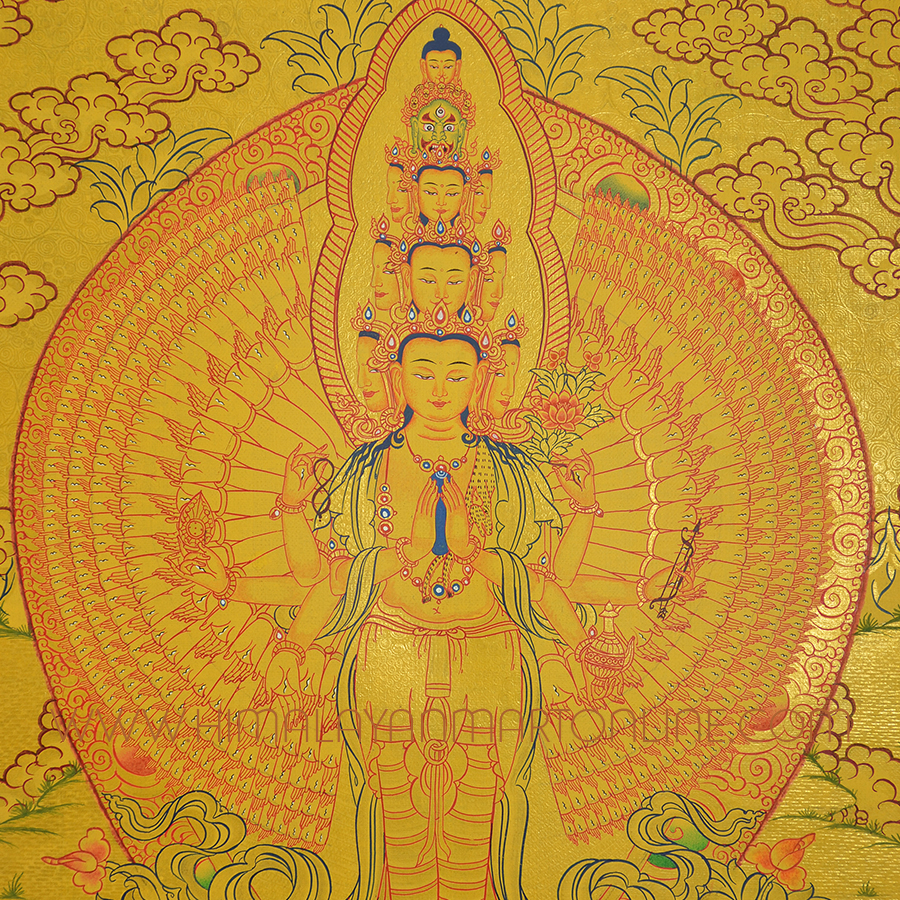
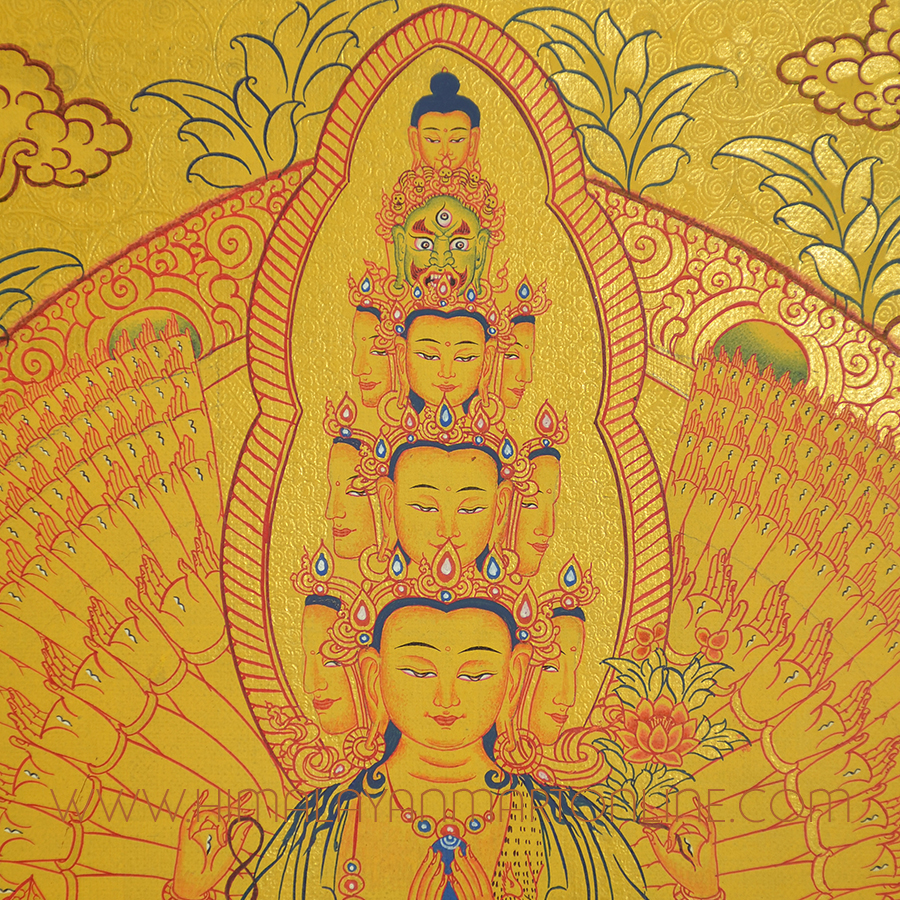
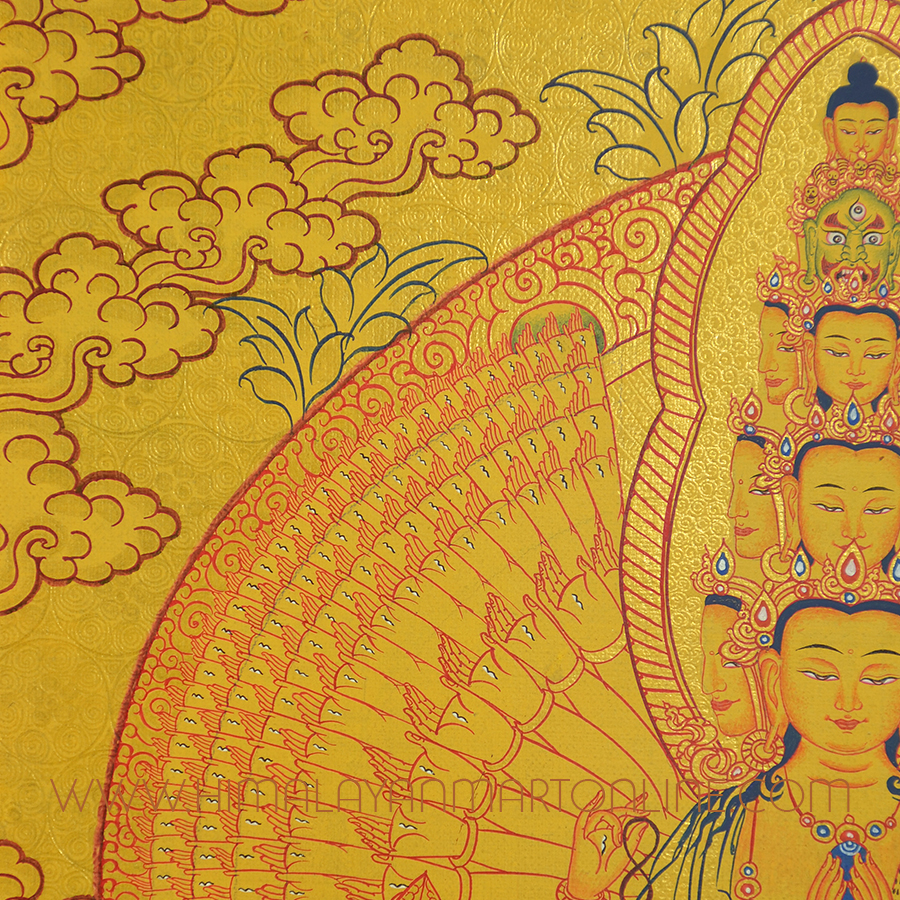
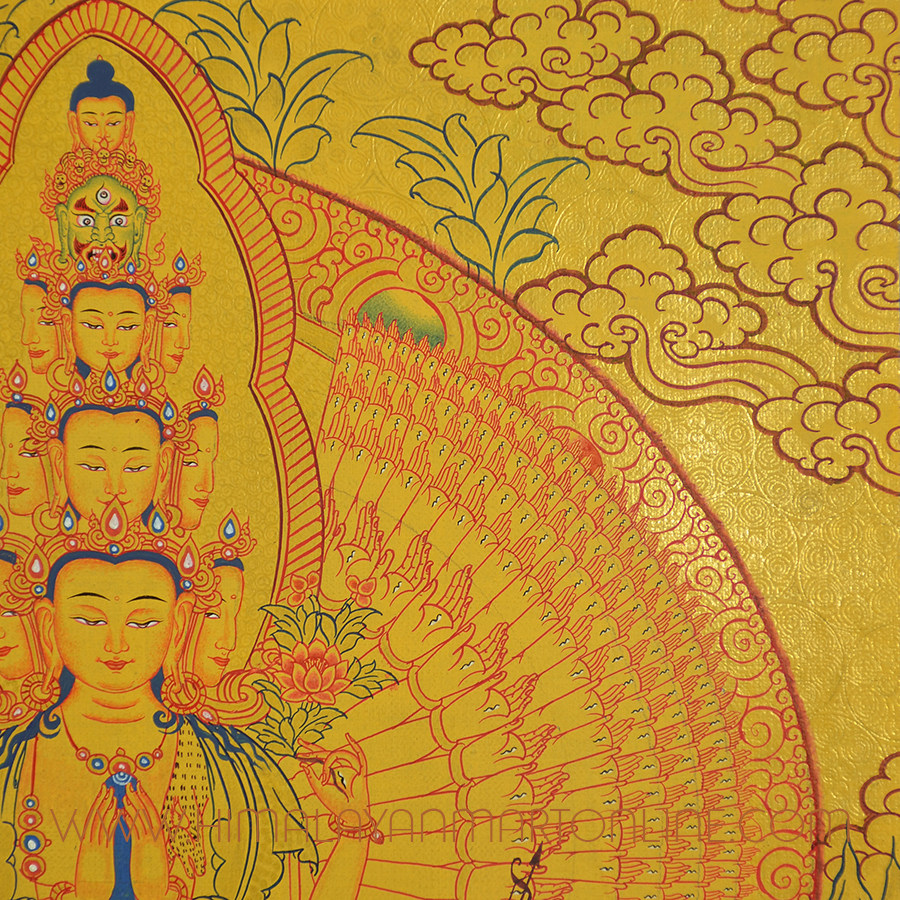
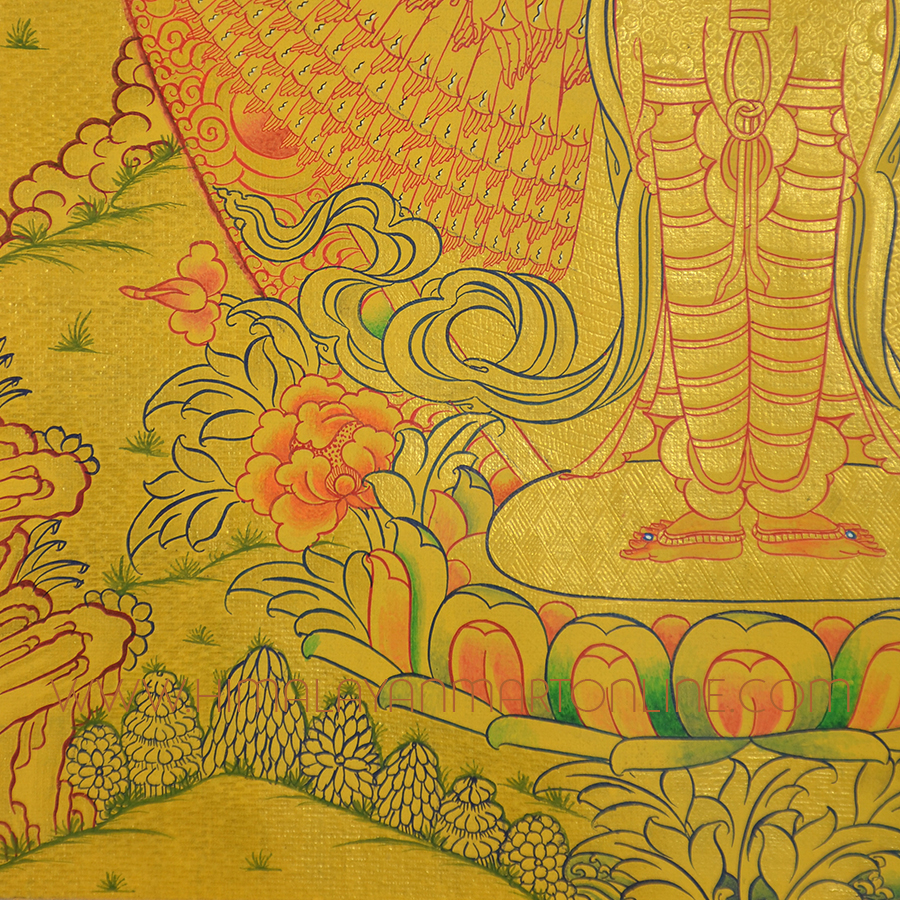
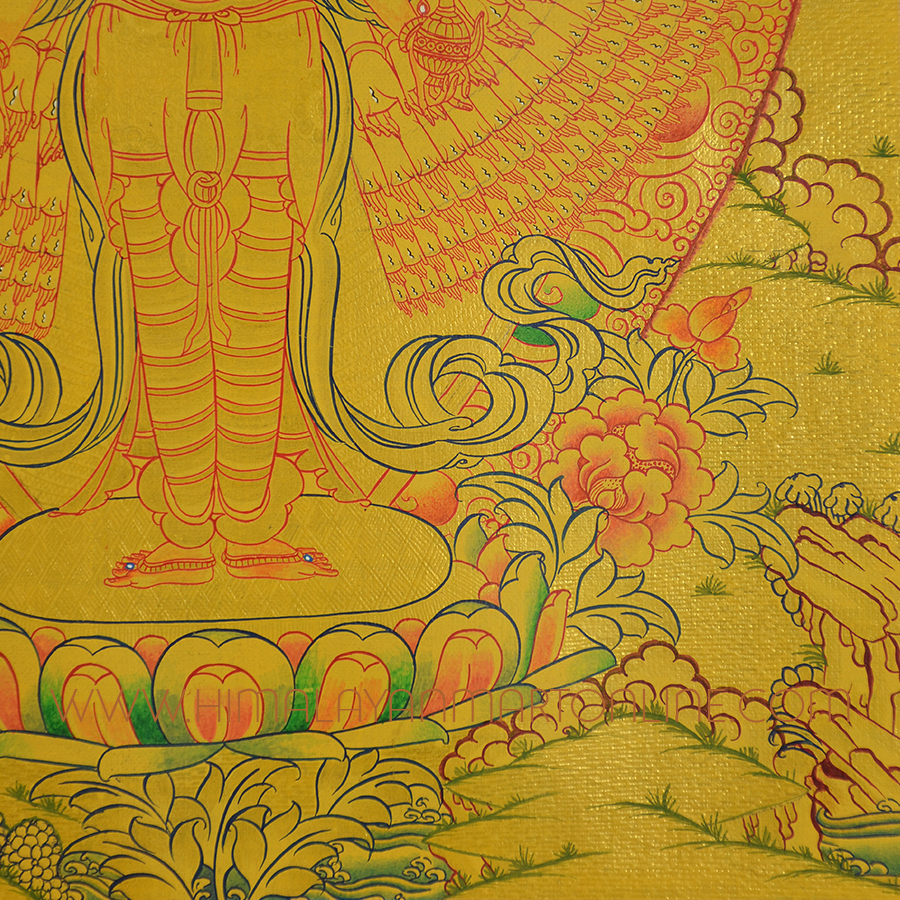
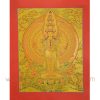

1000 Armed Avalokiteshvara – Bodhisattva of Boundless Compassion
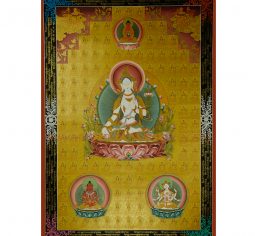
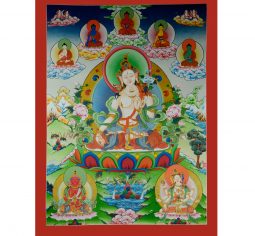
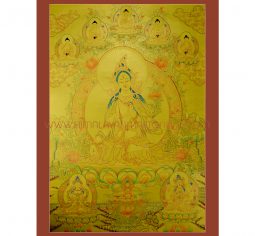
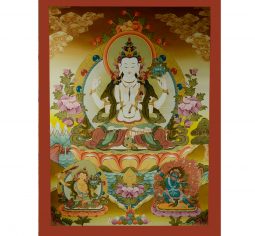
Avalokiteshvara (Guan Yin in Chinese; Chenrezig in Tibetan; Kannon in Japanese) is the Bodhisattva of Compassion. Among the Bodhisattvas, it is Avalokiteshvara who has the largest number of forms and is perhaps the most venerated and most popular Buddhist deity. His sex, originally masculine, is sometimes considered feminine in China and Japan, although this discrimination is unsupported by any canonical text and was often considered in China and Japan as the ‘mother of the human race’ and, in this respect, worshipped in the form of a woman.
Among the 108 forms of Lokiteshvara, Avalokiteshvara is one who refuses to accept Nirvana since he considers such acceptance selfish in view of the ignorance of the great majority of the people who have not yet attained that stage. His sacrifice symbolizes infinite compassion (Karuna), sharing of mankind’s misery, willingness to help those in distress. Avalokiteshvara holds in his hand the indestructible jewel. He is savior and protector from danger. So, his invocation (Mantra) “OM MANI PADME HUM” is found inscribed on rocks, loose stones, prayer wheels, etc.
Avalokiteshvara is known from very early in the development of the Mahayana doctrines and, until Buddhism disappeared from India, enjoyed great favor there. His cult passed from India to South-East Asia and Java, where it met with great success, and also in Nepal, Tibet (where he arrived with Buddhism and where King Srong – Tsong Gampo, 519-650, was considered to be his incarnation), and in China, from where he went on to Korea and Japan. All these countries imagined him in different forms according to their own temperaments and spirituality.