
Phurba – The Ritual Dagger
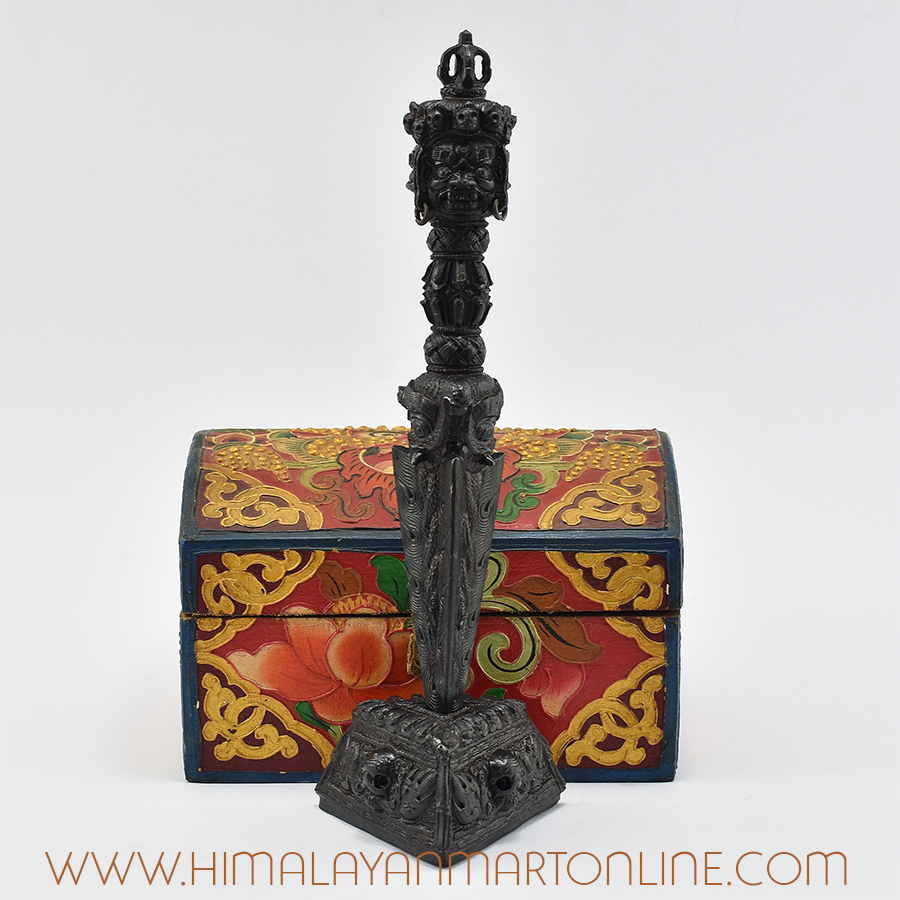
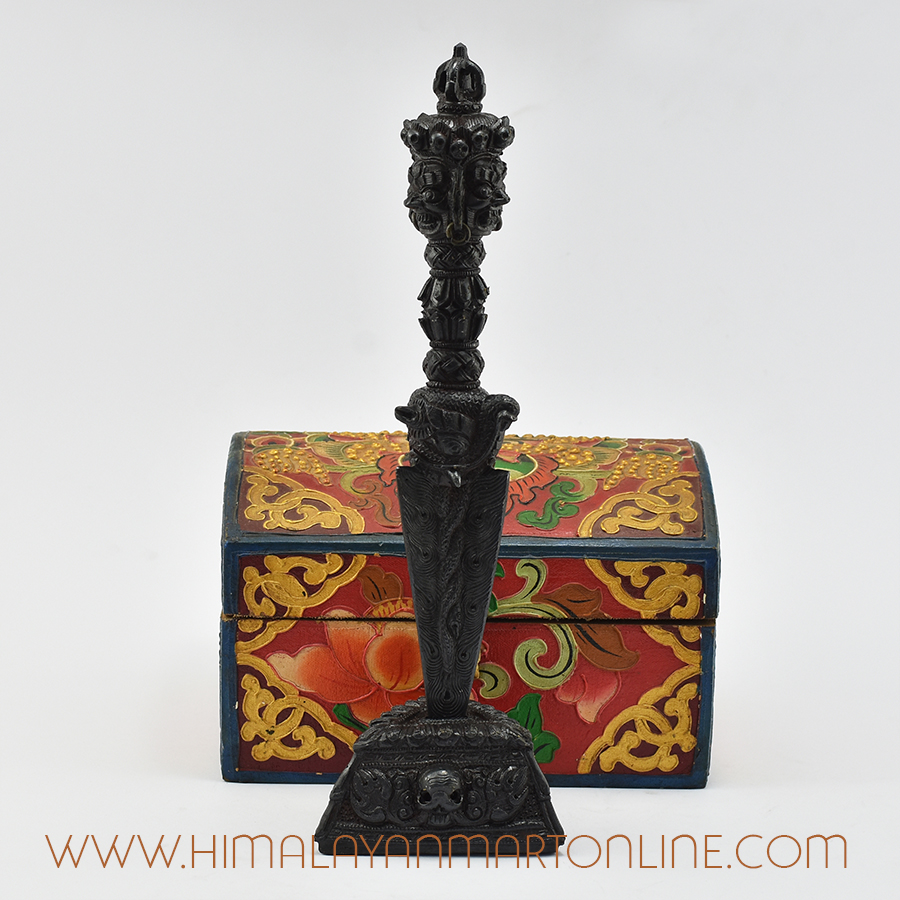
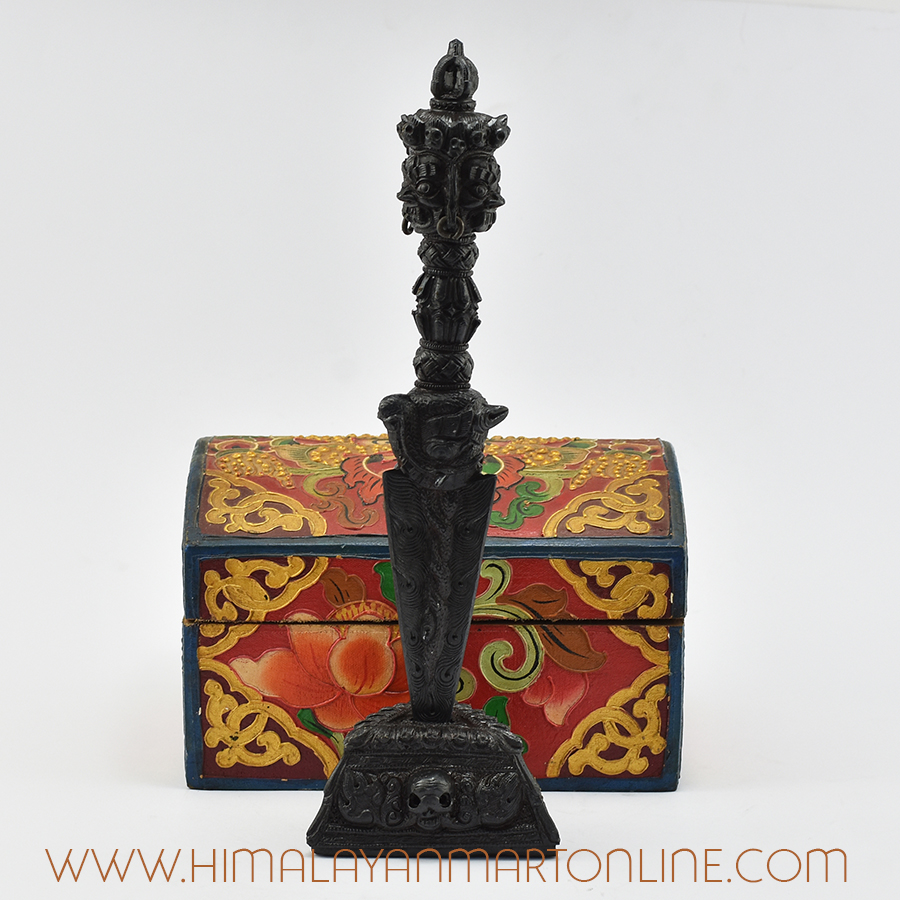
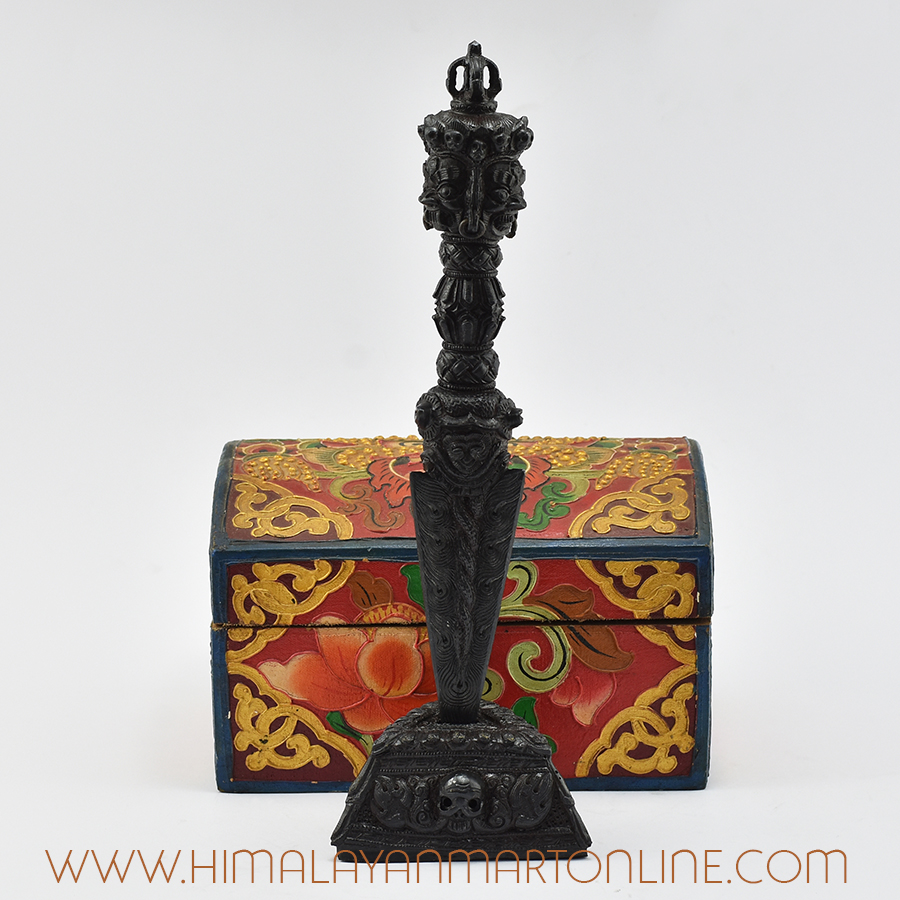
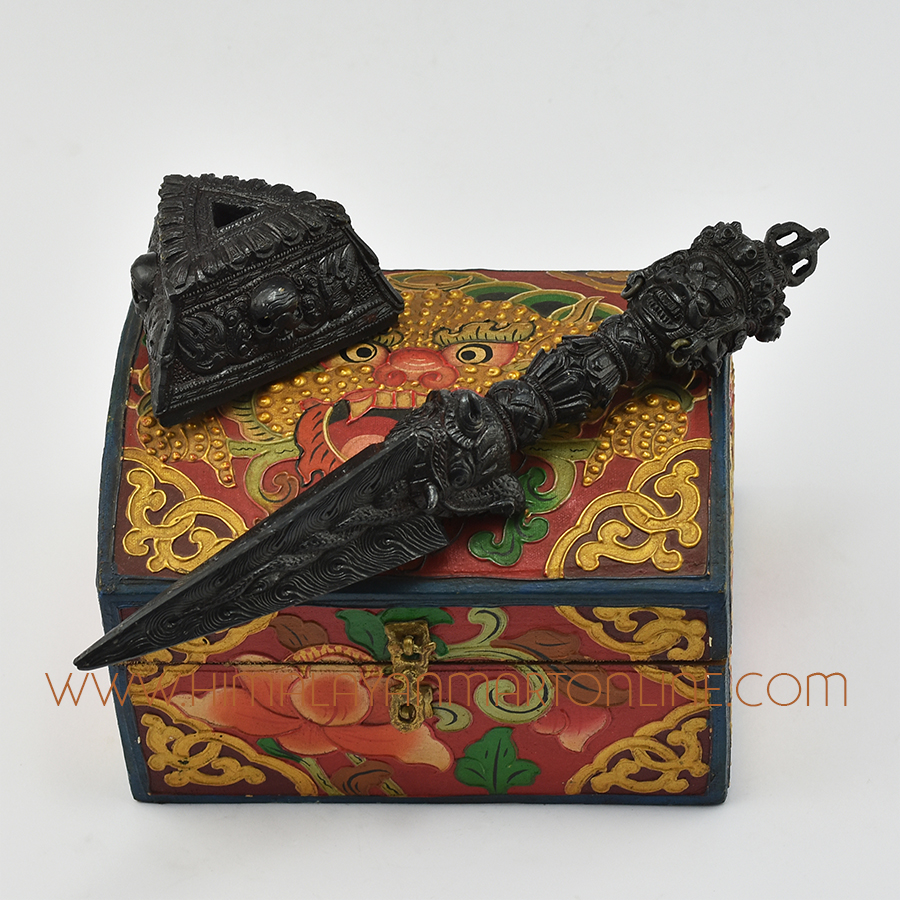
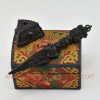
Ritual Iron Phurba Set: The Phurba, also known as a Kila or Ritual Dagger, is a sacred object deeply rooted in Tibetan Buddhism, Hinduism, and other ancient spiritual traditions. It is a three-sided, pointed dagger often used in rituals to conquer evil spirits, obstruct negative energies, and bring about spiritual transformation. The Phurba is not merely a weapon in the physical sense but is regarded as a powerful tool of protection and spiritual empowerment, especially in the Vajrayana Buddhist tradition.
Symbolism of the Phurba
The Phurba holds profound symbolic significance:
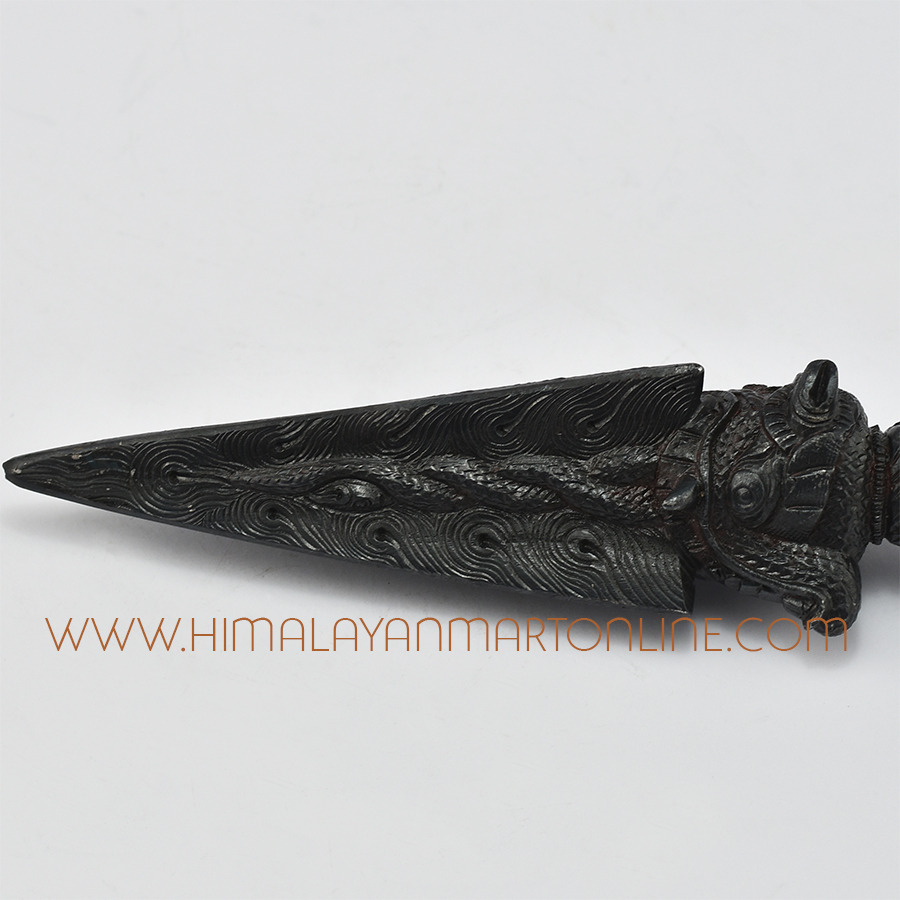
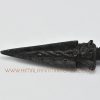
Three Blades: The three sides of the blade represent the cutting through of the three poisons of ignorance, attachment, and aversion. These poisons are considered the root of human suffering, and the Phurba’s three-sided blade symbolically slices through these mental defilements, aiding in the path to enlightenment.
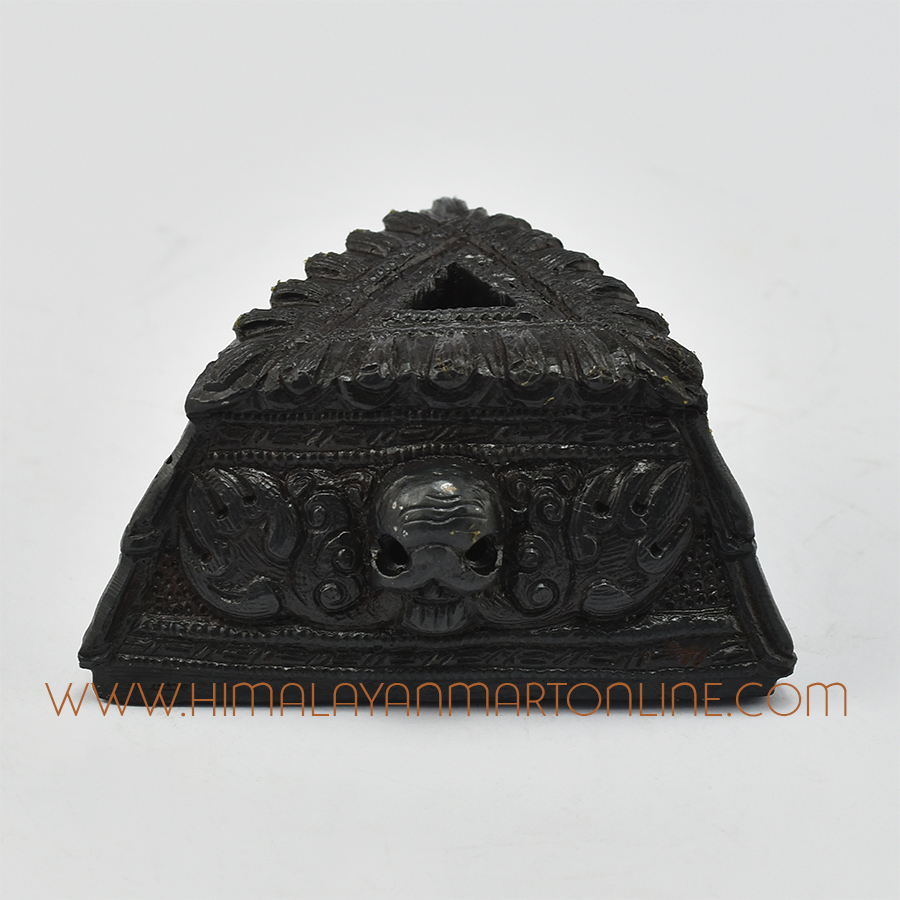
Mount Meru: In its design, the Phurba often features a three-sided pyramid or shape at the top, symbolizing Mount Meru, the mythical sacred mountain that represents the center of the universe in Buddhist cosmology.
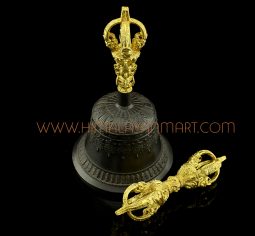
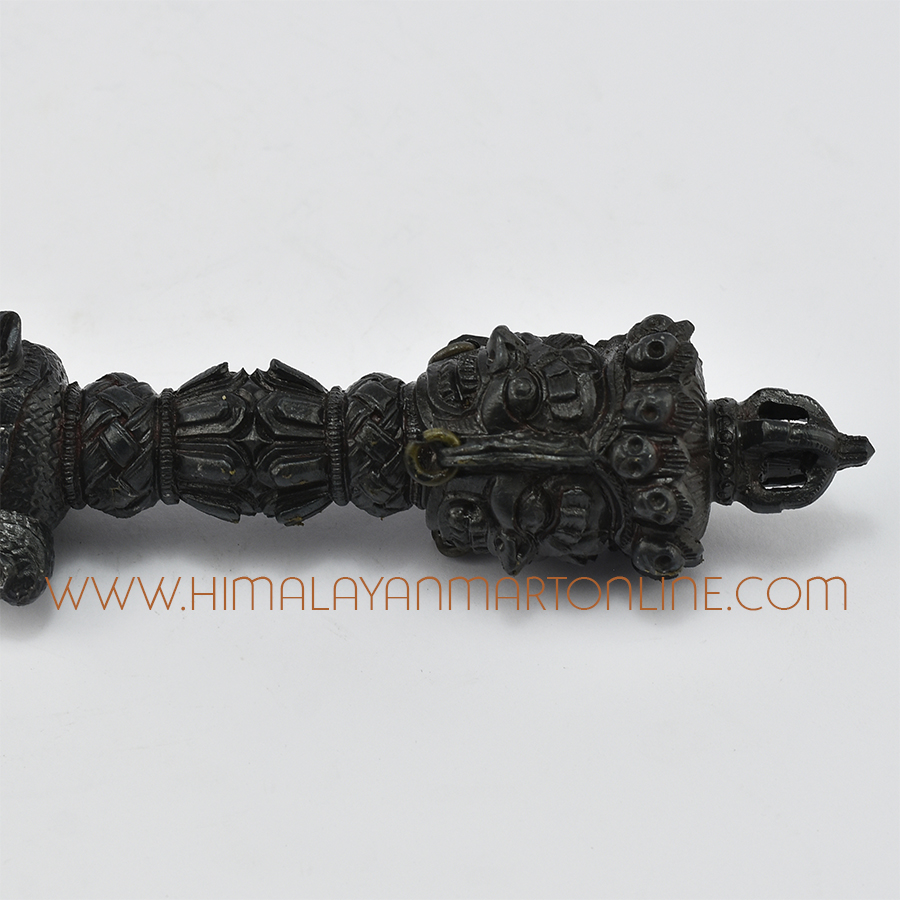
Vajra: The Phurba handle is often decorated with a Vajra, which symbolizes indestructibility and spiritual power. The Vajra is a tool of enlightenment, symbolizing the union of wisdom and compassion in the Buddhist tradition.
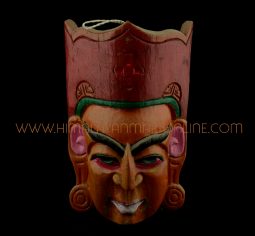
Faces of Wrathful Deities: The handle of the Phurba is often adorned with fierce expressions of deities like Vajrakilaya or Hayagriva, representing the Phurba’s ability to subdue demonic forces and negative energies.
Triumphant Over Ignorance: The Phurba is a symbol of triumph over obstacles and ignorance. In rituals, it is used to pin down evil or harmful forces, converting them into wisdom and spiritual power.
Uses of Phurba in Rituals
The Phurba is predominantly used in Tantric rituals and ceremonial practices in Tibetan Buddhism and Hinduism:
Meditation Tool: For practitioners, the Phurba symbolizes the direct focus and penetration of truth, and it may be used as a focus during meditation to remove mental obstructions.
Empowerment Rituals: The Phurba is also a symbol of spiritual authority, often used in rituals to empower the practitioner with the ability to transform negative energy into spiritual insight.
Consecration of Space: During ceremonies, the Phurba is used to consecrate or sanctify a space, driving away evil spirits and ensuring a sacred environment for spiritual practice.
Exorcism and Protection: In Tantric Buddhism, the Phurba is used during exorcisms or purification rituals to drive out negative energies and protect the practitioner. The Phurba is said to pierce through illusion and ego, providing protection against spiritual threats.
Craftsmanship and Design
Phurbas are often crafted from bronze, copper, silver, or iron, with intricate carvings depicting deities, mythical creatures, and symbolic motifs. These daggers are sometimes made from precious metals or alloys, signifying their importance in ritual practice. The hilt of the Phurba is often intricately designed, featuring a three-faced deity (typically Vajrakilaya) or Buddha’s head, symbolizing protection and empowerment.
Master artisans, especially from places like Patan, Nepal, are renowned for creating these Phurbas with exceptional skill and care, using metalworking techniques passed down through generations. Each piece is infused with deep spiritual significance, reflecting a centuries-old tradition of craftsmanship.
Phurba in Tantric Buddhism
In Tantric Buddhism, the Phurba / Phurwa is closely associated with the deity Vajrakilaya, a wrathful manifestation of the Buddha that represents the powerful energy used to destroy obstacles on the path to enlightenment. Vajrakilaya is often depicted holding a Phurba in his hand, symbolizing his role in overcoming negative forces and inner delusions. Practitioners invoke Vajrakilaya and the Phurba in rituals to destroy ignorance, purify the mind, and protect the path to spiritual awakening.
Conclusion
The Phurba is far more than a simple ritual object; it is a powerful symbol of protection, spiritual transformation, and the overcoming of obstacles on the path to enlightenment. It embodies the profound union of wisdom and compassion, serving as a reminder of the practitioner’s role in cutting through the illusions that lead to suffering. With its rich history, deep symbolism, and exceptional craftsmanship, the Phurba remains an indispensable tool in both ritual and spiritual practices in Tibetan Buddhism and beyond.
About this Ritual Iron Phurba Set
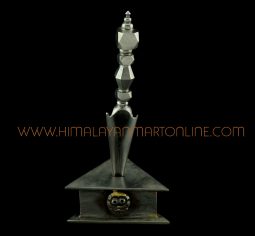
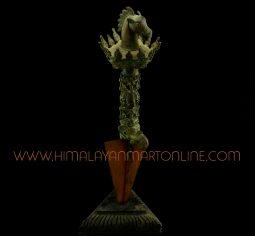
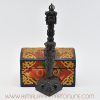
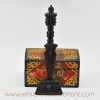
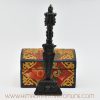
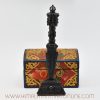
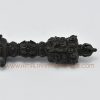
This exquisite Phurba set is crafted from iron and showcases the rich artistry of traditional Tibetan ritual objects. The Phurba features a beautifully detailed depiction of Vajrakilaya, the wrathful deity known for his power to overcome obstacles and negative forces. Resting atop Vajrakilaya is a striking vertical Half-Vajra, available in both five-spoked or nine-spoked designs, symbolizing the union of wisdom and compassion.
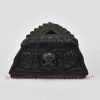
Intricately hand-carved, the Phurba’s shaft is adorned with detailed representations of Makara, the mythical sea creature, along with skulls and other sacred symbols, which are also finely etched onto the stand. The masterful craftsmanship elevates not only the beauty of this Phurba set but also its ritualistic significance, making it both a captivating display piece and a functional tool for spiritual practice.
Handcrafted by master artisans from Nepal, who have been engaged in this exceptional art form for generations, this iron Phurba set reflects a deep legacy of cultural and spiritual craftsmanship. Its intricate details and aesthetic appeal make it a valuable addition to any ritual collection or as a symbolic piece of spiritual significance.