
Kapala – The Skull Cup
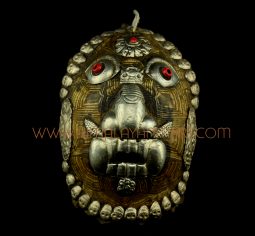
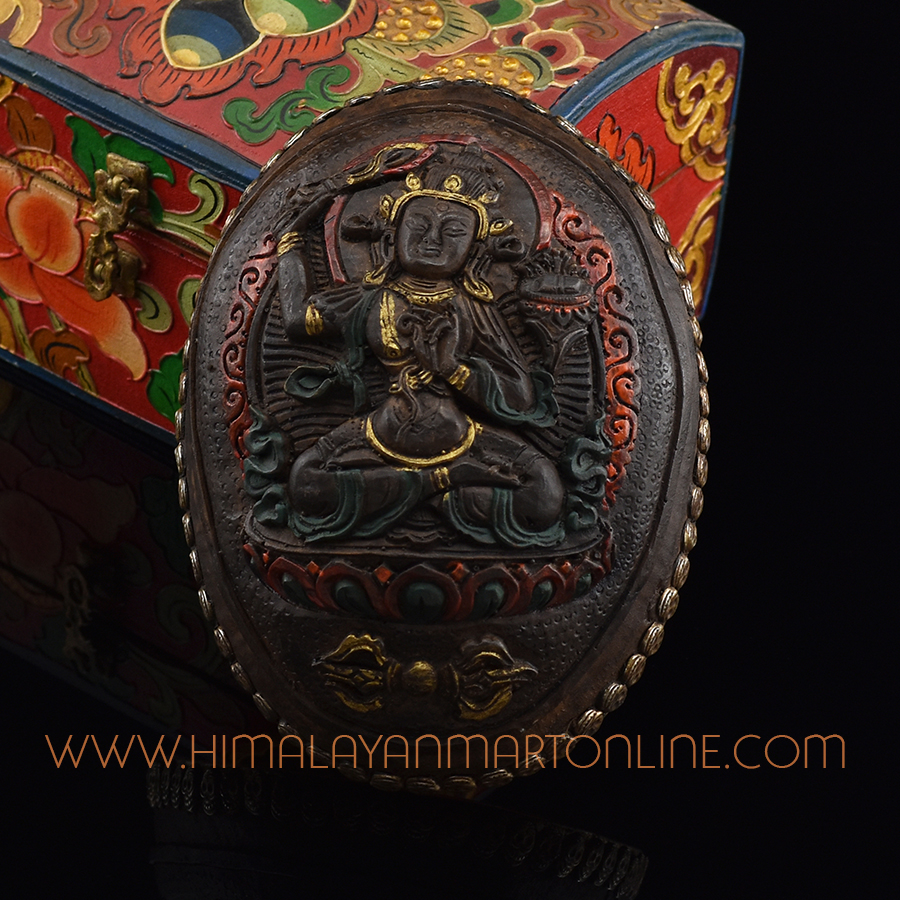
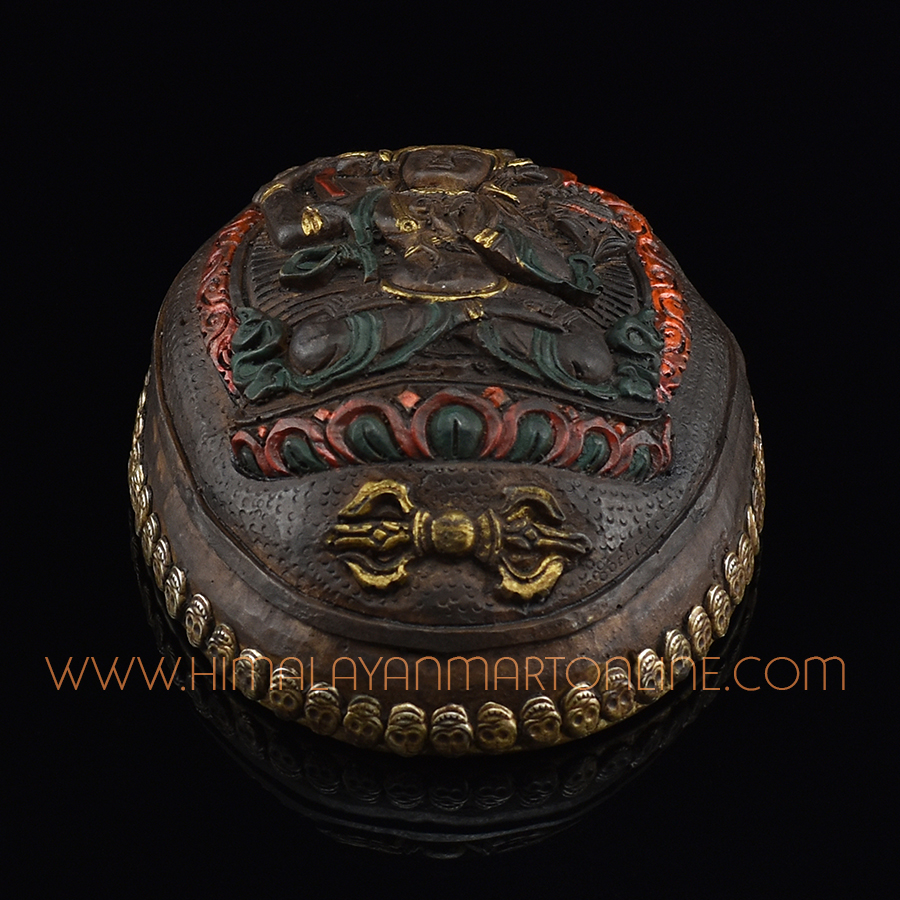
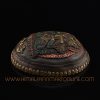
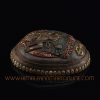
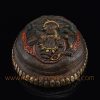
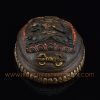
Manjushri / Jambiyang Carved Resin Kapala: The skull cup, known as Kapala in Sanskrit, is fashioned from the oval upper section of a human cranium. It serves as a libation vessel for a vast number of Vajrayana deities, mostly wrathful. As a ritual implement, the selection of the right skull is of immense importance for the success of the ritual. The skull of a murder or execution victim is believed to possess the greatest tantric power; the skull of one who has died from a violent or accidental death, or from a virulent illness, possesses a medium magical power; the skull of a person who died peacefully in old age has virtually no occult power. The skull of a child who died during the onset of puberty also has great potency, as do the skulls of miscegenated or misbegotten child of unknown paternity, born from the forbidden union of castes, out of wedlock, from sexual misdemeanor, or particularly from incest. The ‘misbegotten skull’ of a seven or eight-year-old child born from an incestuous union is considered to possess the greatest power in certain tantric rituals. Here the vital force or potential of the skull’s ‘previous owner’ is embodied within the bone as a spirit, rendering it an effective power object for the performance of tantric rituals.
About this Manjushri / Jambiyang Carved Resin Kapala
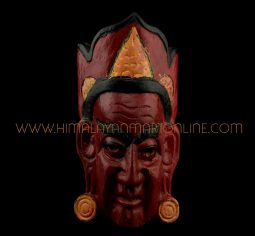
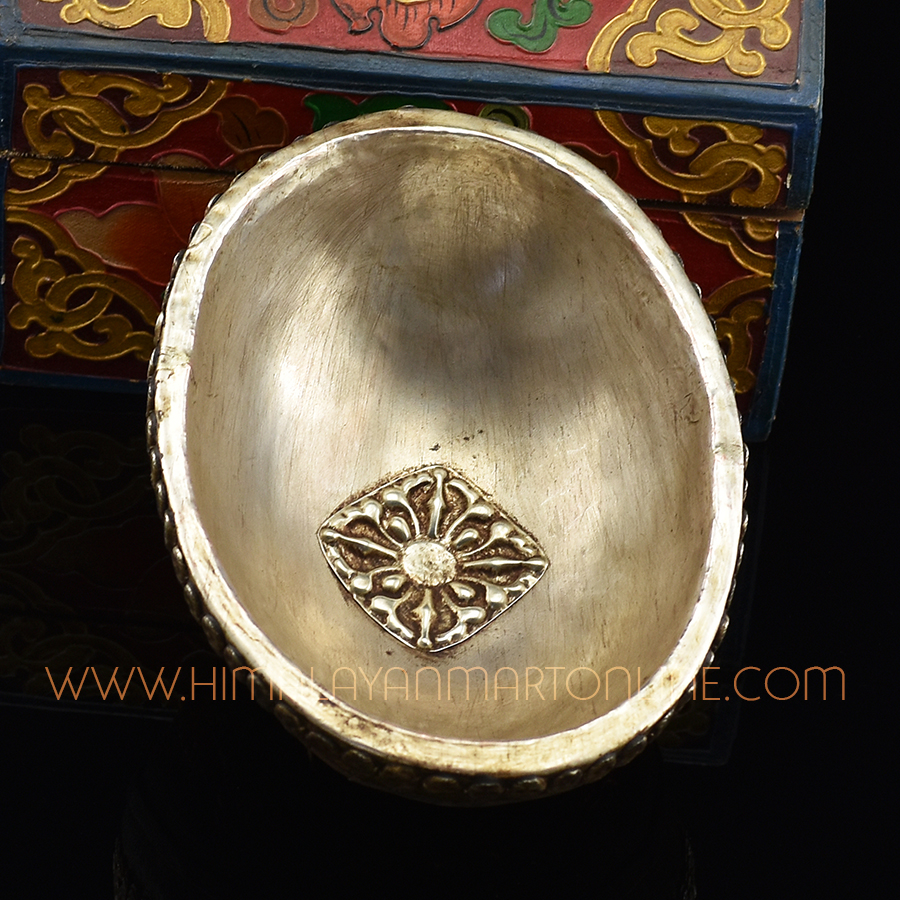
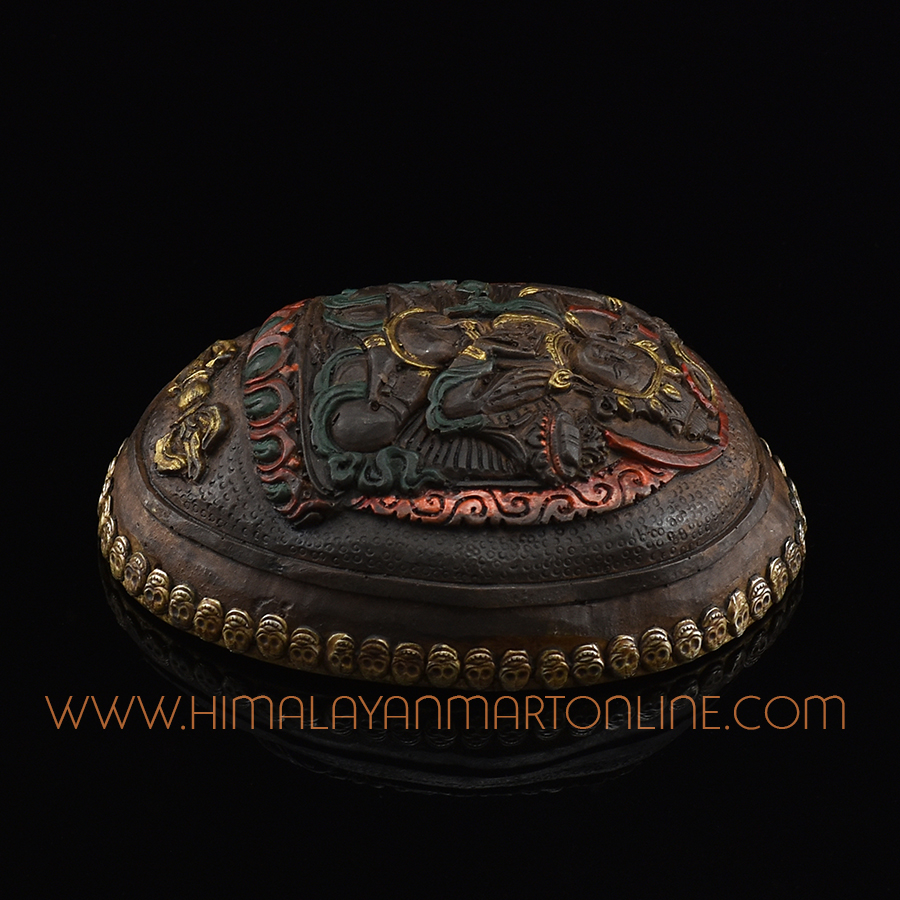
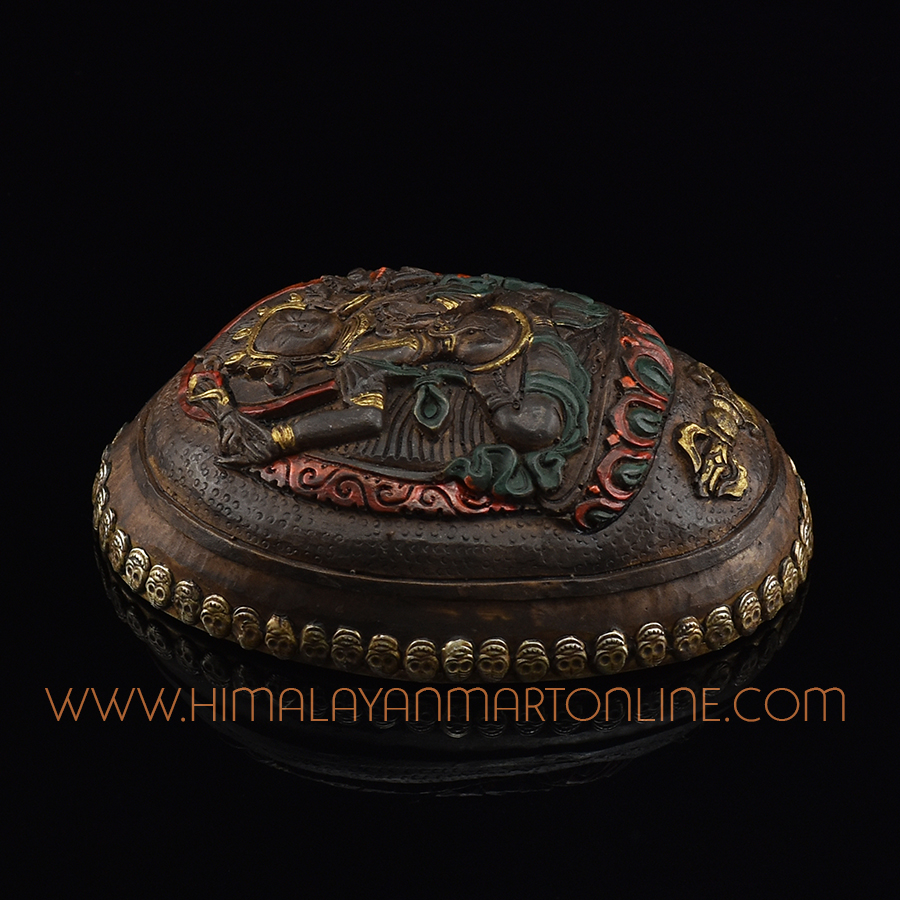
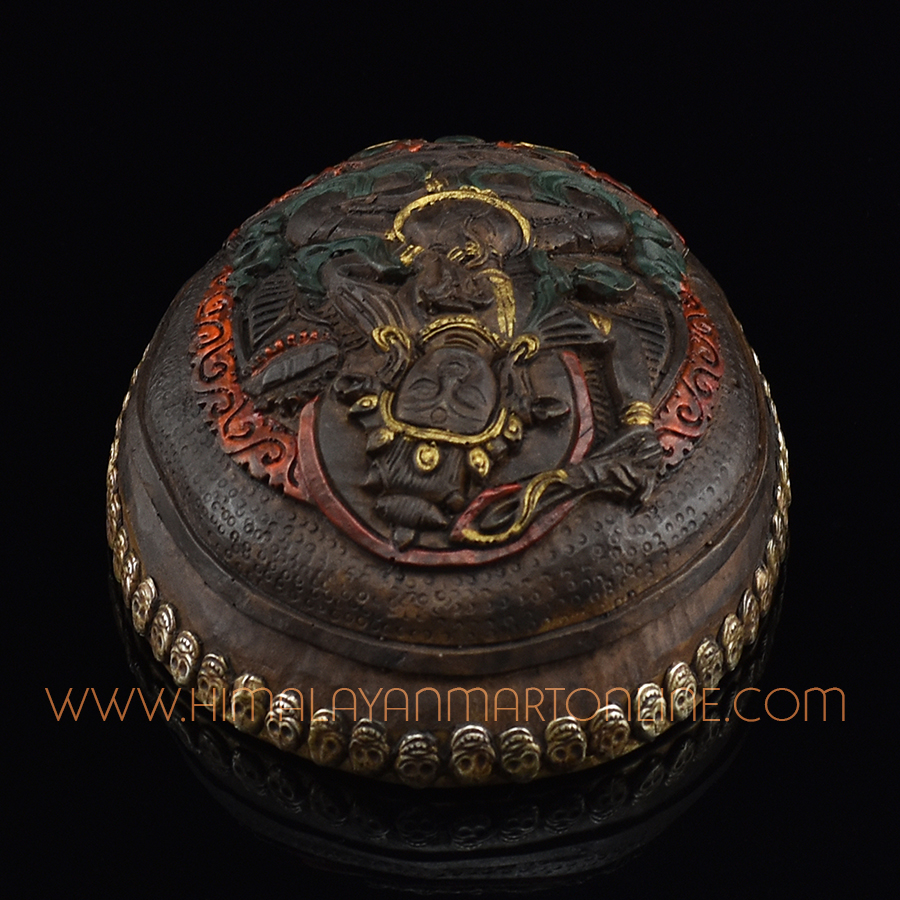
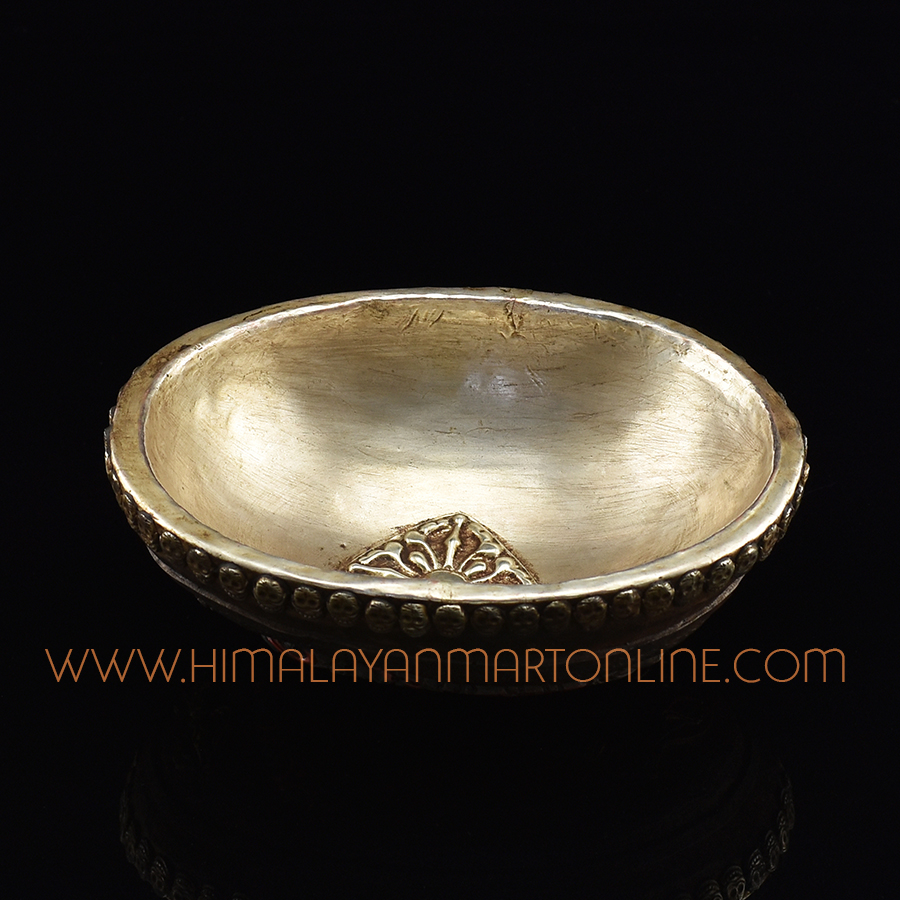
This enchanting Kapala bears the majestic visage of Manjushri, also known as Jambiyang, intricately hand-carved with exquisite detail. Crafted from resin and silver-plated copper, it is adorned with small metal skulls delicately encircling the central figure. Each stroke of paint is applied with meticulous care, enhancing its beauty and depth.
The master artisans of Patan, Nepal, have imbued this Kapala with their unparalleled skill and dedication. Their precise carving and painting work breathe life into the sacred imagery of Manjushri, reflecting centuries of artistic tradition. With its impeccable craftsmanship and spiritual significance, this Kapala stands as a testament to the enduring beauty and reverence of Nepalese artistry.