
Vajradhara – The Primordial Buddha
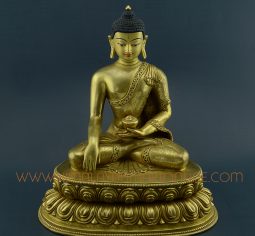
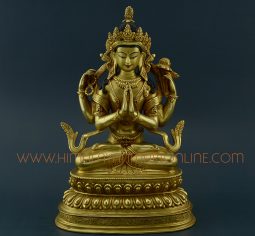
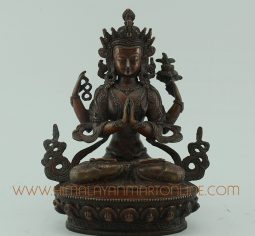
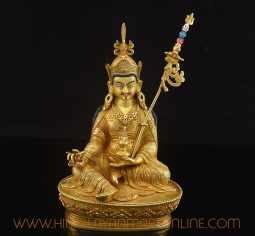
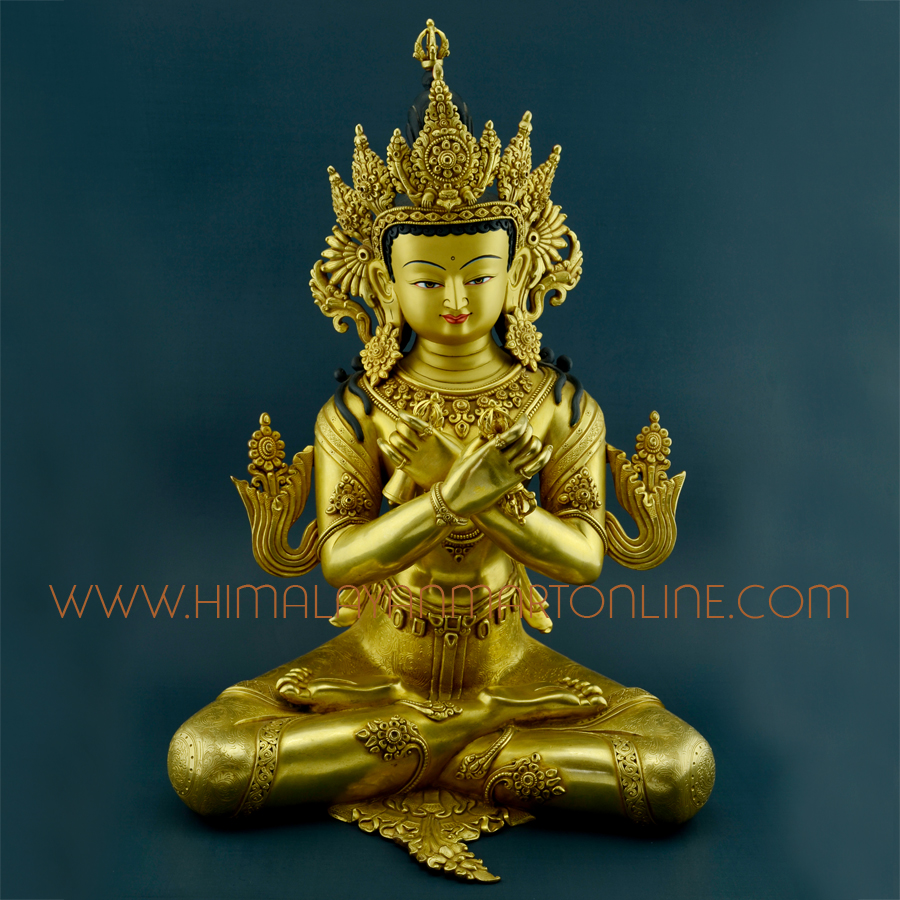
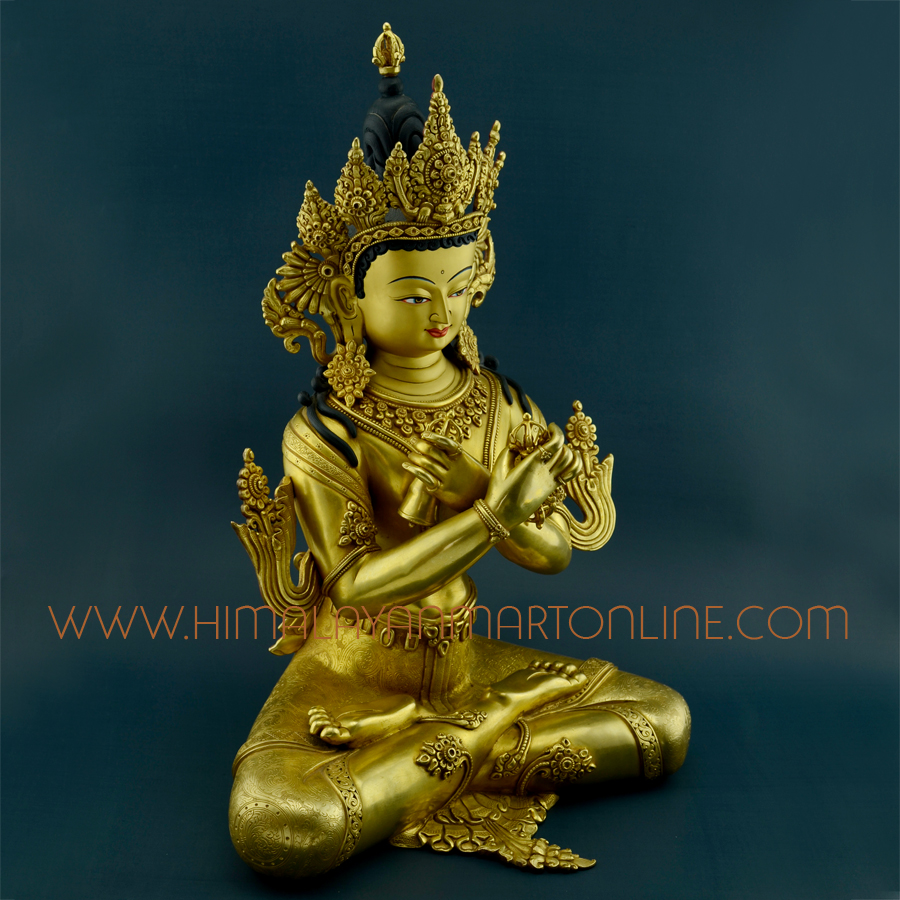
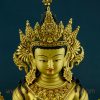
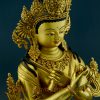
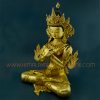
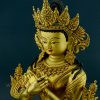
Vajradhara Statue: Vajradhara is the ultimate primordial Buddha according to the Gelug and Kagyu schools of Tibetan Buddhism, and he is metaphysically equivalent to Samantabhadra in the Nyingma and Sakya traditions. Vajradhara is the Tantric form of Shakyamuni, as Shakyamuni appeared in the aspect of Vajradhara when he delivered the third Wheel of Law and set forth the Tantric path for his gifted disciples. Guru Tilopa is said to have received the Mahamudra instructions directly from Buddha Vajradhara through visions and other extraordinary means. Vajradhara represents the very essence of enlightened mind – achieving the “state of Vajradhara” is synonymous with complete realization. He is revered as both the revealer of mysteries and the mystery itself.
Gestures and Attributes
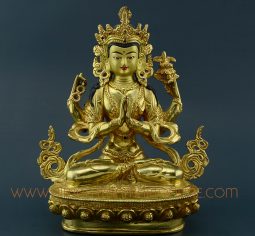
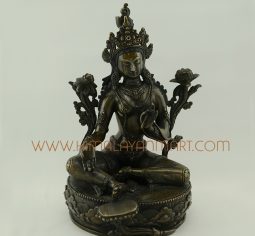
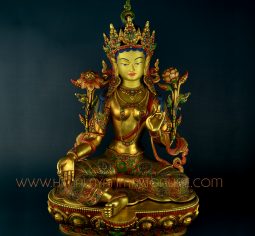
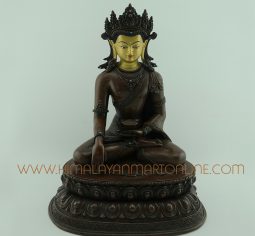
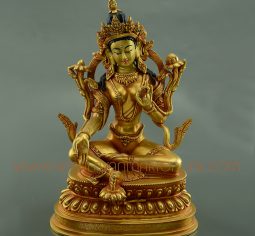
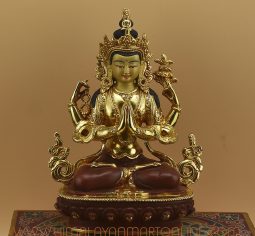
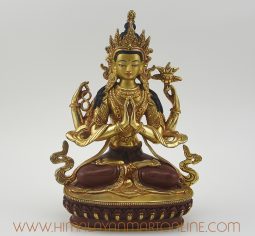
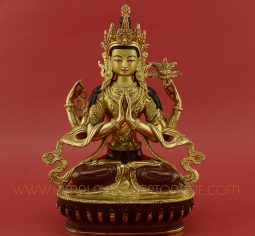
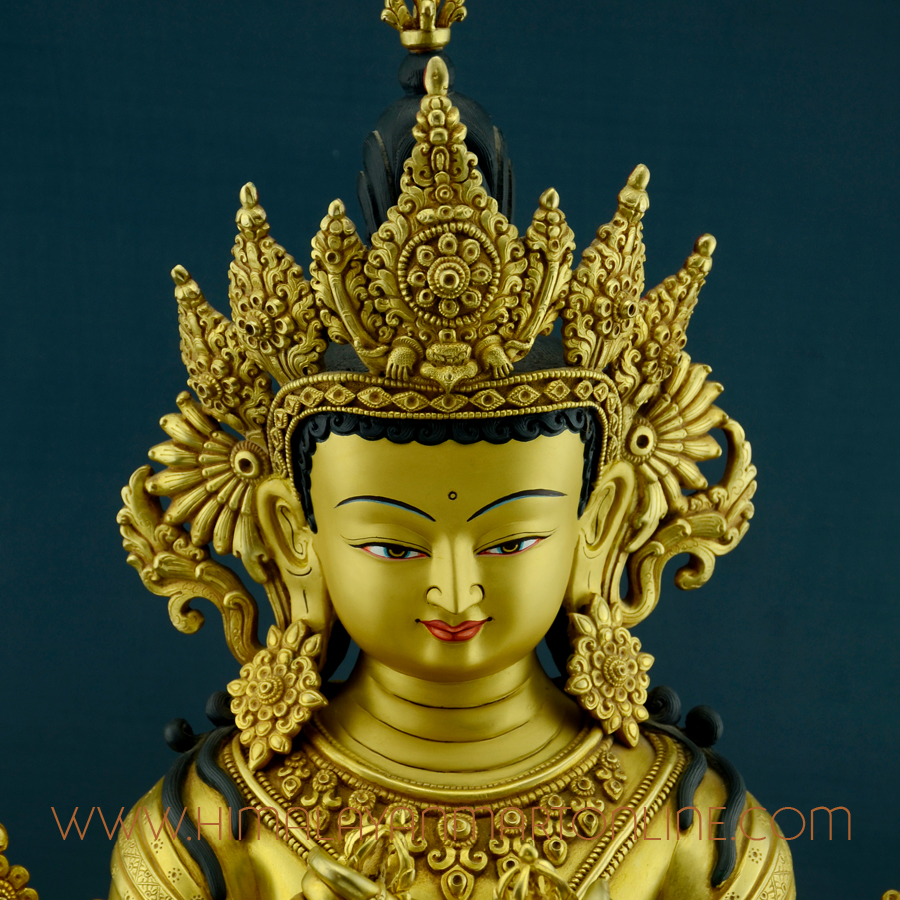
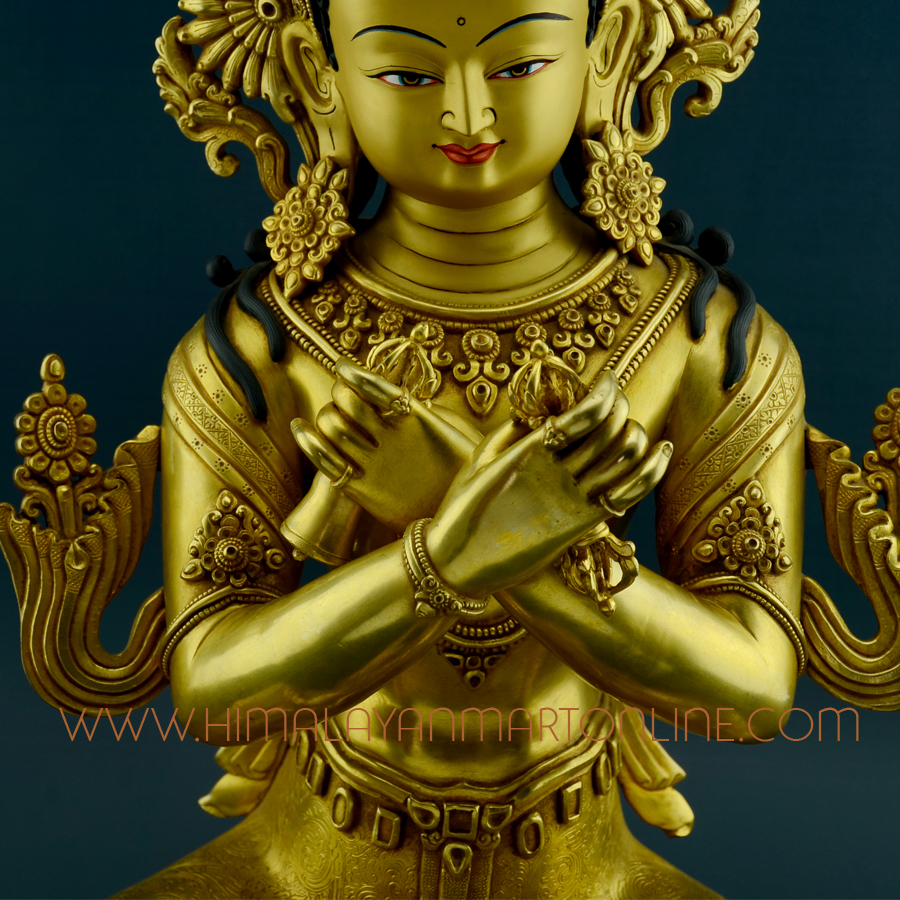
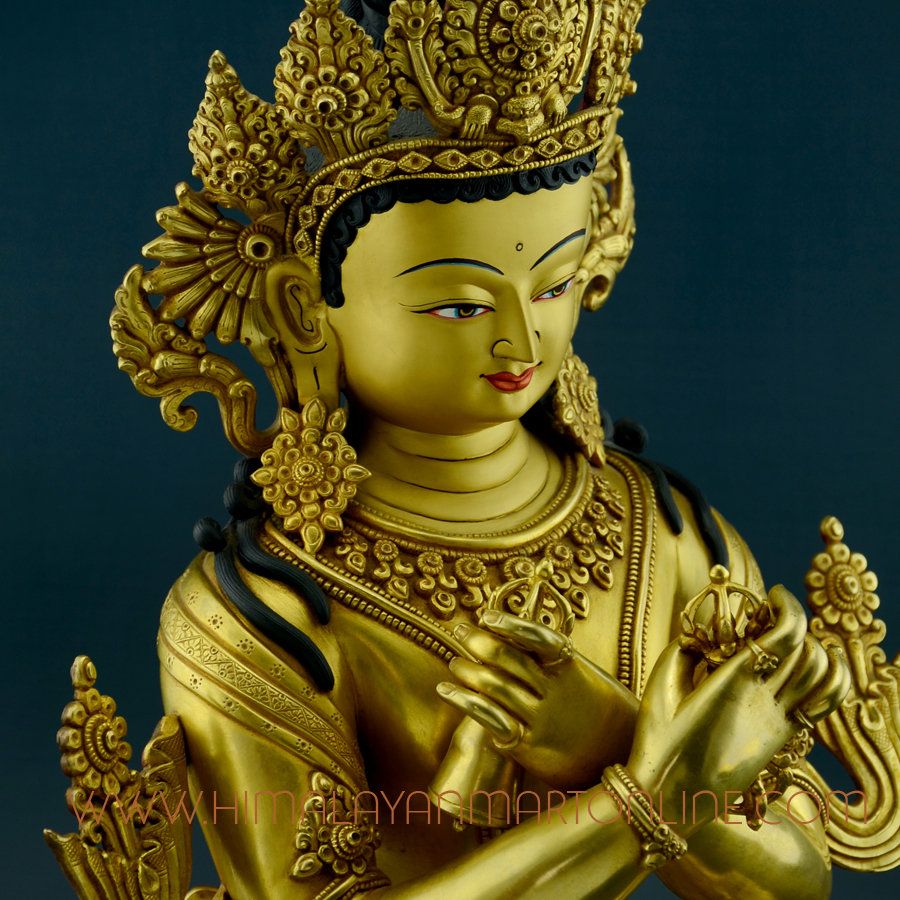
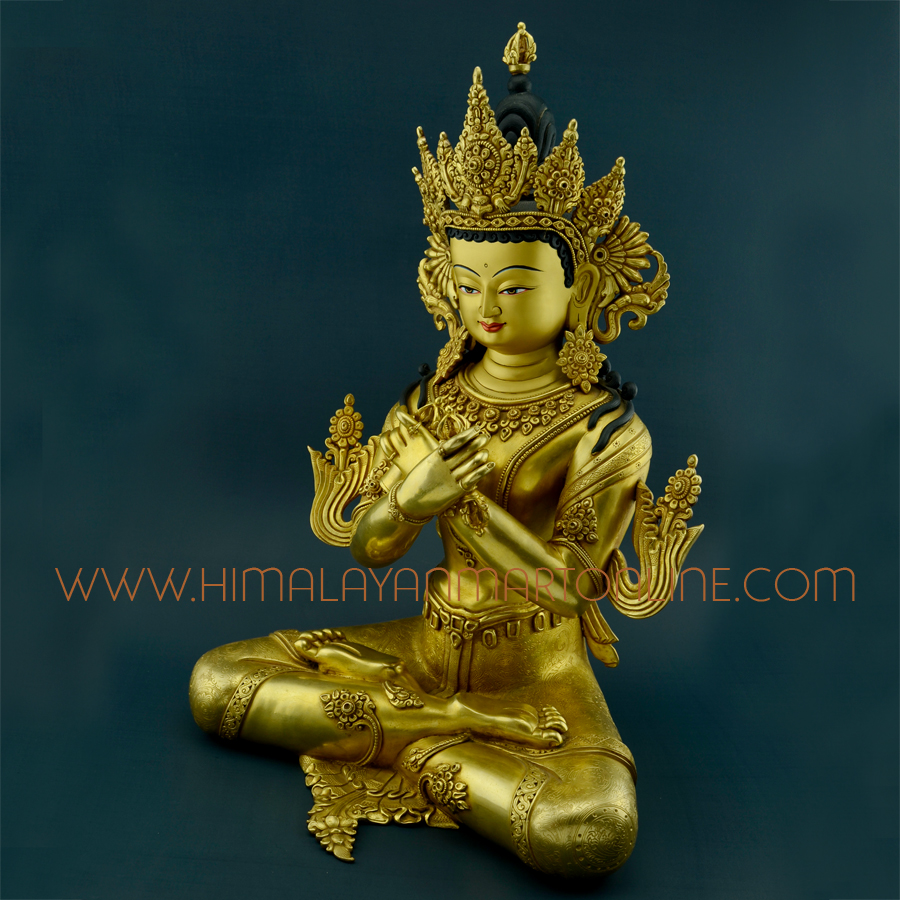
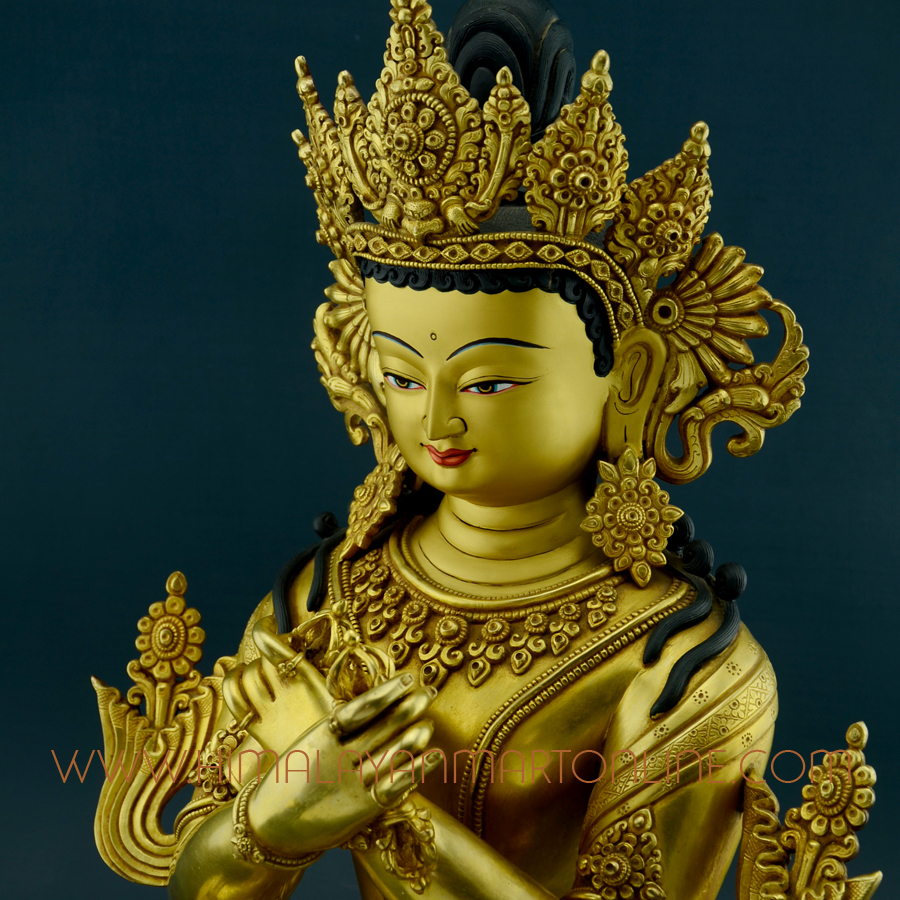
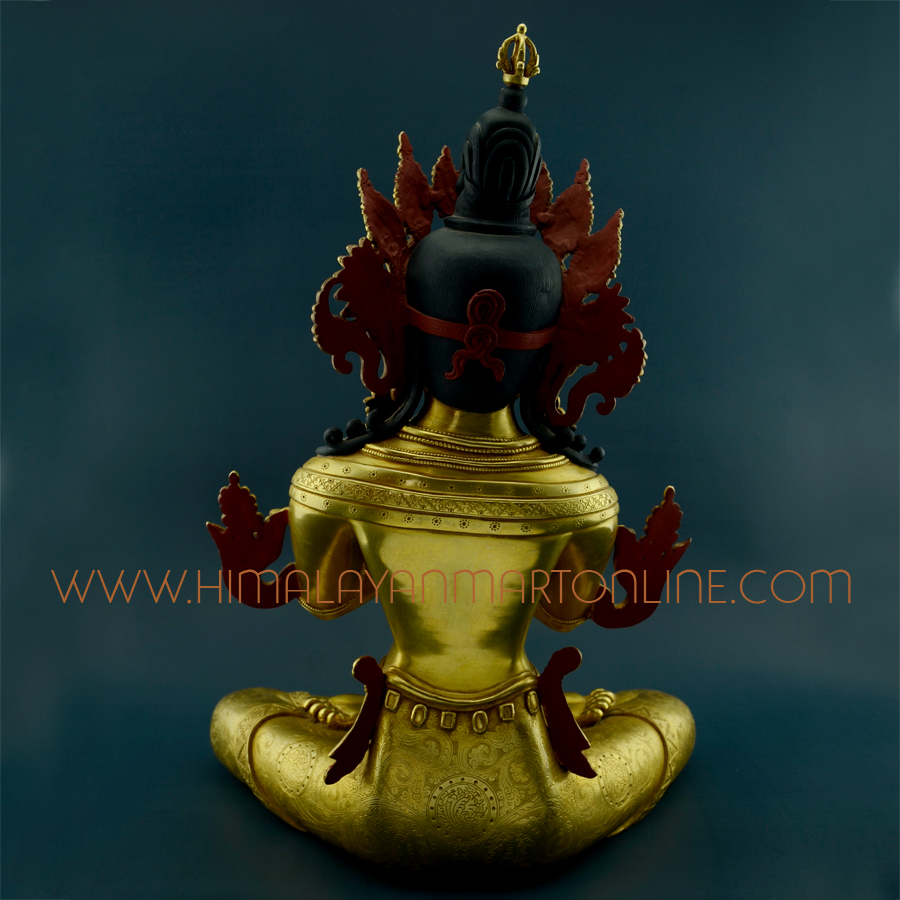
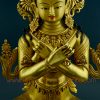
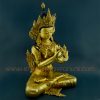
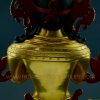
Buddha Vajradhara is depicted holding a golden vajra in his right hand and a silver bell in his left like shown in this Vajradhara Statue. His arms are crossed in front of him expressing the complete integration of prajna (wisdom) and upaya (skillful means). Although he is a Dharmakaya, or primordial, Buddha, he is usually represented iconographically in Sambhogakaya form adorned with beautiful garments, ornaments, and a crown, symbolizing his ability to ceaselessly benefit living beings by means of his emanations which pervade all worlds. It is believed that all the one hundred Buddha families can be condensed into the five Buddha families, which in turn are all held within the compassionate heart of Buddha Vajradhara.
About this Vajradhara Statue
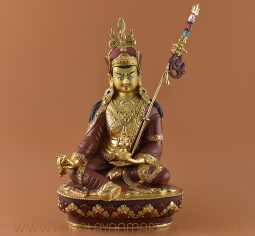
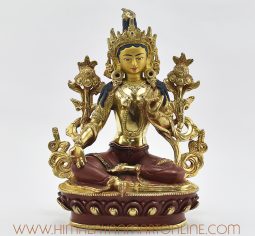
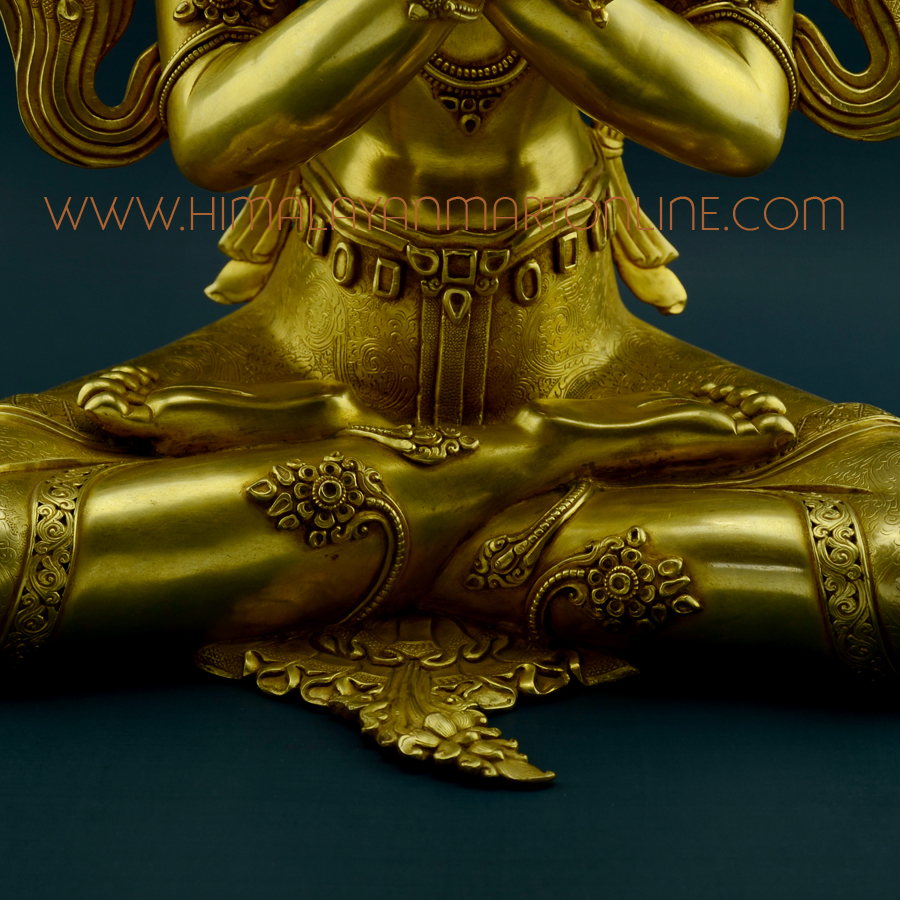
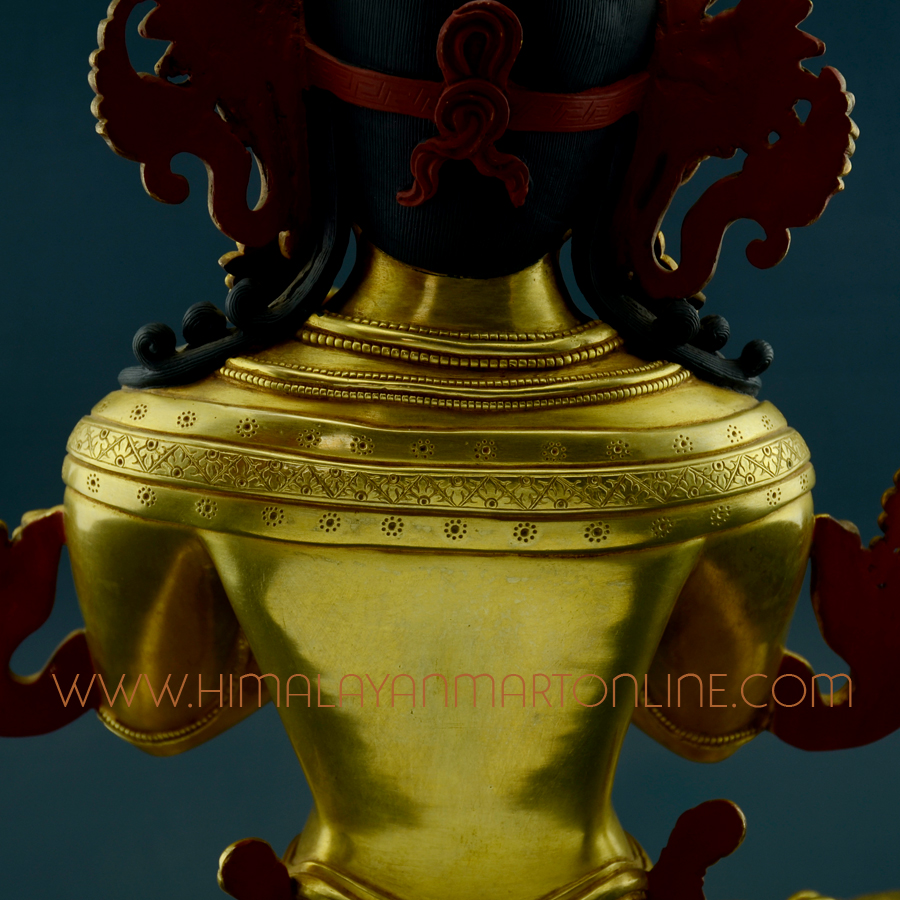
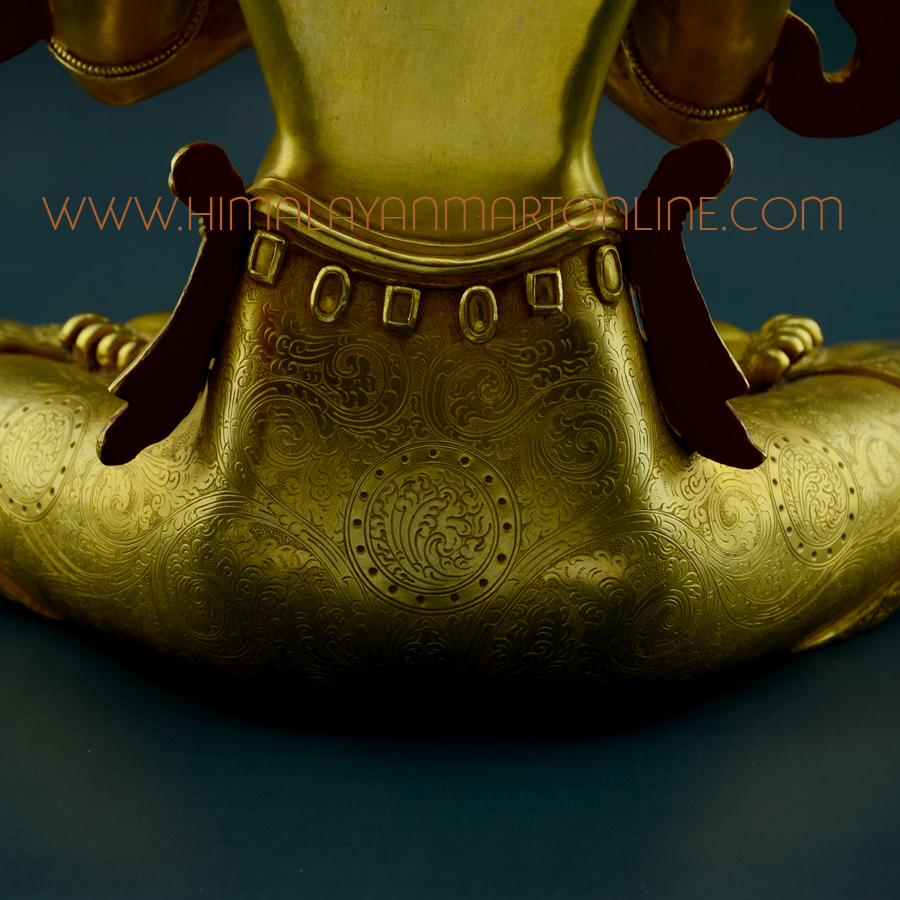
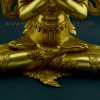
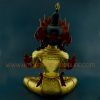
This sculpture is an enchanting portrayal of Vajradhara. Expertly sculpted from copper alloy and fully gilded with 24 karat gold, the statue has hand face painted. Expertly cast from copper alloy and gilded with 24 karat gold this sculpture is a representation of Vajradhara. This Vajradhara Statue was individually handcrafted in Patan, Nepal by master artisans of the Shakya clan who are considered among the best in the world. These craftsmen are the modern heirs to a centuries-old tradition of creating sacred art for use in temples and monasteries. The fine metalworking techniques have been passed down from generation to generation since ancient times.