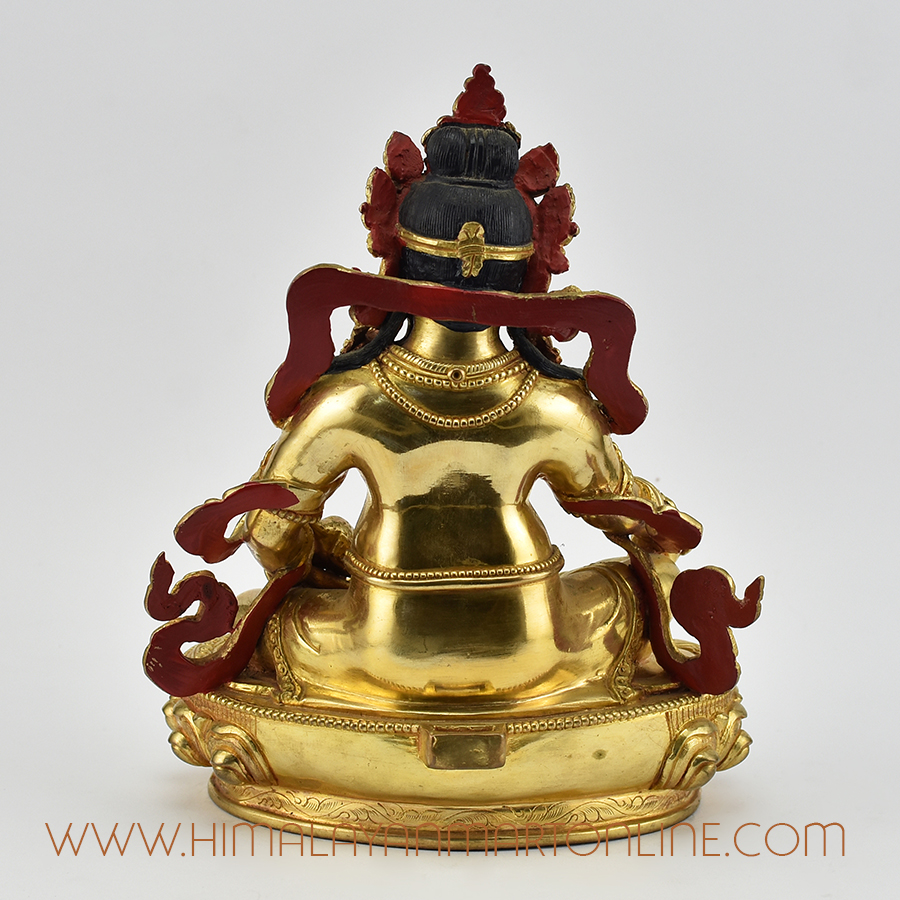

Yellow Jambala – The Wealth Deity
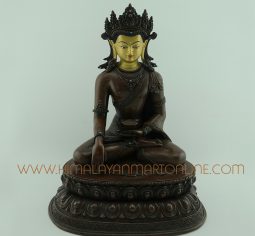
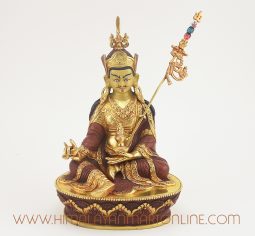
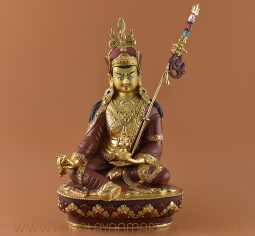
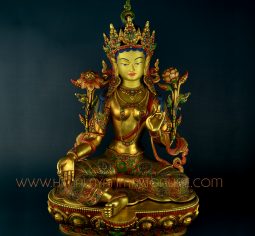
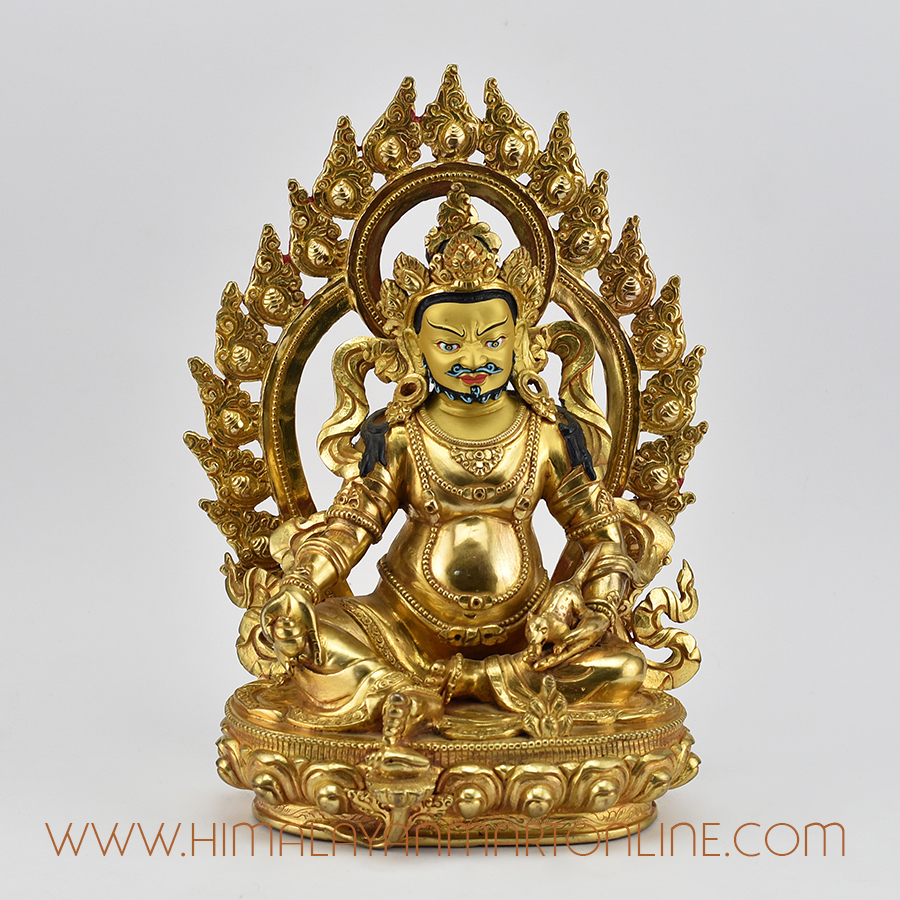
Tibetan Wealth God Statue: Jambala is a wealth deity whose blessings remove the obstacle of poverty, bringing wealth and abundance to pure Dharma practitioners. As it is difficult to attain spiritual realizations while afflicted by a lack of resources, Jambala generates prosperity so that practitioners have the time, energy, and means to accomplish. According to the Sutras, while Shakyamuni Buddha was teaching one day, demons tried to disturb and confuse the Buddha. Jambala appeared in front of the Buddha and protected him. Recognizing Jambala’s courageous action, the Buddha asked Jambala if he would like to become a Dharma Protector in order to help all sentient beings. Jambala accepted the Buddha’s offer, and since then he has offered immediate assistance to all who call his name or chant his mantra. His blessings bestow good luck, increase virtues, prolong life, increase intelligence, and provide both material and spiritual benefits.
Gestures and Attributes
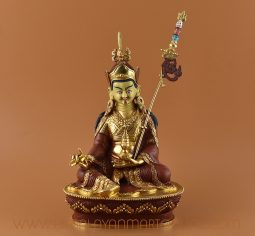
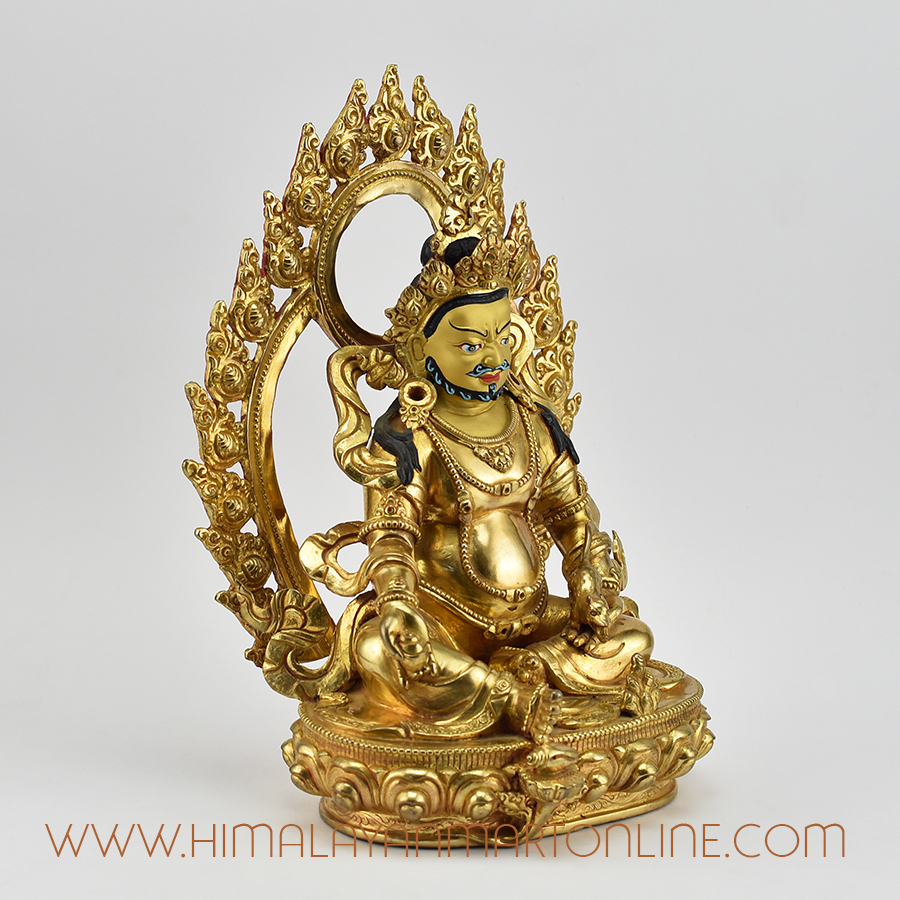
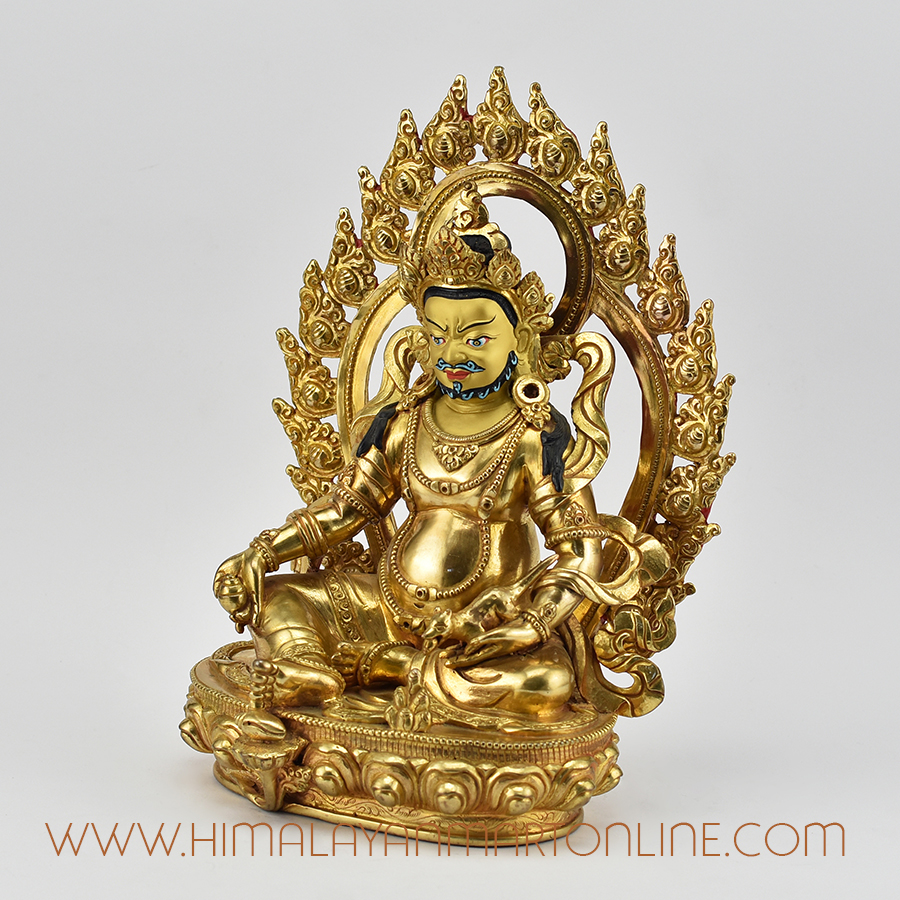
There are five Jambalas – yellow (like this Tibetan Wealth God Statue), white, black, green, and red – of which yellow is the most common form. Each form has its own special significance and attributes. Yellow Jambala is depicted adorned with a crown, silk garments, and beautiful gold and jeweled ornaments (like shown in this Tibetan Wealth God Statue). He is seated imperially upon a throne, with a Bijapuraka (citron) fruit in his right hand and a mongoose in his left hand. The mongoose constantly spews forth precious jewels and treasures and represents Jambala’s victory over the Nagas.
About this Tibetan Wealth God Statue
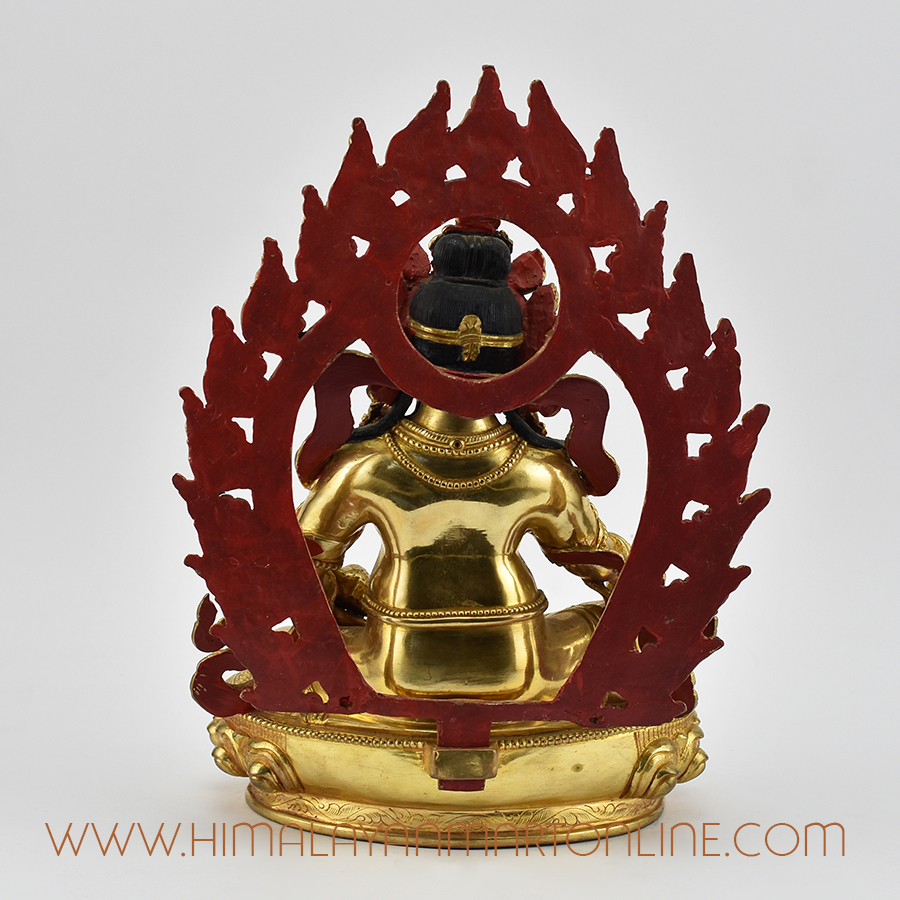
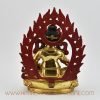
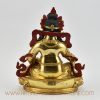
This Tibetan Wealth God Statue is a beautiful representation of the Yellow Jambala. Expertly sculpted from a copper alloy using the lost wax method and gilded with 24-karat gold, the statue has been finely hand-carved with hand-painted face. This Tibetan Wealth God Statue was individually handcrafted in Patan, Nepal by master artisans of the Shakya clan who are considered among the best in the world. These craftsmen are the modern heirs to a centuries-old tradition of creating sacred art for use in temples and monasteries. The fine metalworking techniques have been passed down from generation to generation since ancient times.